


How to Put On a Boat Cover: Step-by-Step Guide
By John Funk, Sep 03, 2026

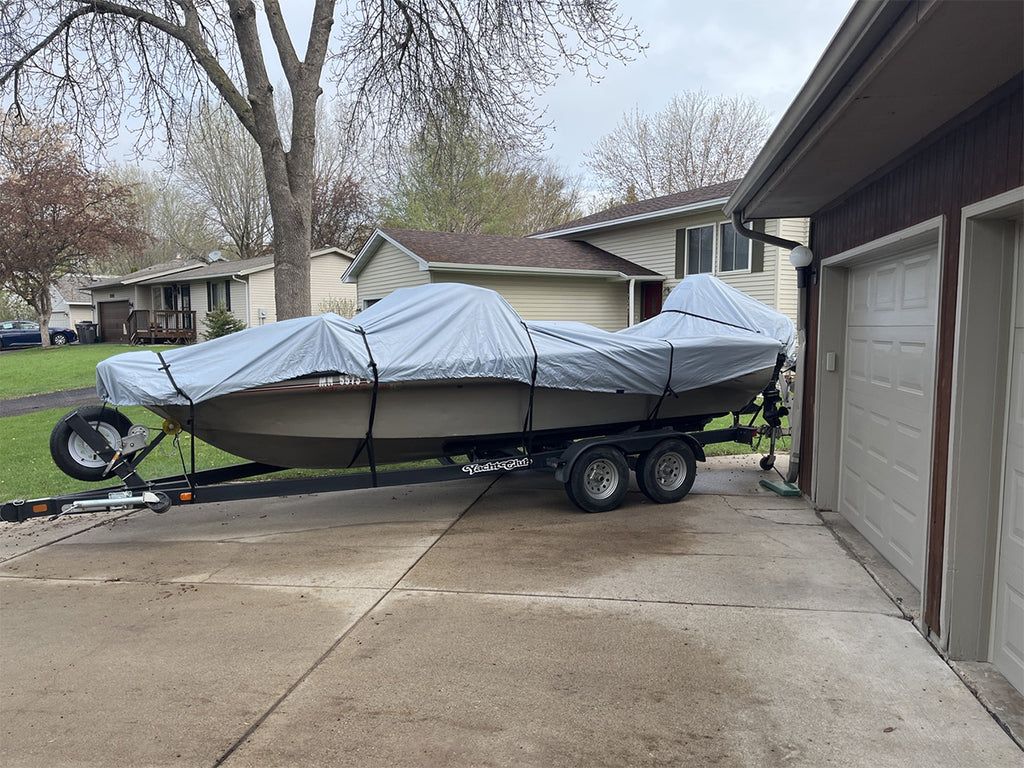
Quick Answer
To put on a boat cover, first inspect the boat for sharp edges or protruding objects that could damage the fabric. Identify the front of the cover, center it over the boat, and stretch it evenly toward the rear. Secure the cover using the appropriate tie-down straps, starting with the longest straps and working around the boat until everything is snug. If you are using support poles, position them underneath the cover to prevent sagging and water from pooling. A durable boat cover creates a protective layer that helps guard against sun, moisture, dirt, debris, and other outdoor hazards.
Owning a boat is a long-term investment and a decision that you may well cherish for the rest of your life. It opens up various new opportunities that are either limited or simply not possible for those who are stuck on dry land. If you are planning on purchasing a boat, there are many types and sizes to choose from, ranging from modern, luxurious vessels to smaller, more affordable ones.
Owning a boat gives you the freedom to take it out on the water whenever you want and go anywhere you want. You can either go out on the shoreline for a quick fishing trip or go on a Magellanic voyage for several months. If your boat is large enough, you can use it for social gatherings or business meetings. Even small boats may provide enough space for a certain number of people to relax together.
A boat allows you to spend quality time with friends and family and share your love of the seas with them. You can cherish the time spent with them in a way that is simply not possible on dry land.
It is important to make a modest investment in a high-quality boat cover to protect your cherished possession from damages that can be caused by UV rays, hail storms, dust, bird droppings, and other external factors.
Why Do You Need a Boat Cover?
A boat cover plays an essential role in protecting your boat while it is stored or not in use. When left uncovered during storage, your boat can be exposed to sunlight, moisture, dirt, and debris that may gradually affect its condition. A quality cover creates a barrier between your boat and the elements, helping keep it cleaner and in better condition.
A boat cover can help:
- Protect against UV exposure: Prolonged sunlight can fade upholstery, weaken fabrics, and damage exterior surfaces.
- Guard against water damage: A cover helps keep rain and moisture away from the boat, limiting damp conditions that can contribute to mold, mildew, and deterioration.
- Block dirt and debris: A cover keeps dust, leaves, pollen, and other debris from accumulating inside and around the boat.
- Reduce bird and animal damage: Covers help protect seats and other surfaces from bird droppings, nesting materials, and other unwanted debris.
- Protect interior components: Covering the boat helps safeguard seats, carpeting, dashboards, and other interior features from sun exposure, dirt, moisture, and general wear.
- Simplify boat maintenance: Covering your boat helps limit the buildup of dust, leaves, and other debris, reducing the amount of cleaning needed before your next outing.
Before You Put On the Boat Cover
A little preparation before covering your boat can make the installation process smoother. Inspecting the boat and cover beforehand also helps ensure a secure fit and reduces the risk of damage.
- Clear the surface: Give the boat a quick cleanup and remove any loose debris before installing the cover.
- Inspect for potential damage: Check the boat for exposed hardware, rough surfaces, or sharp points that could snag, tear, or puncture the cover.
- Dry the boat: Remove excess water and allow wet areas to dry before covering the boat to help limit moisture buildup.
- Inspect the cover: Check the cover for tears, worn areas, or damaged straps before installation.
- Find the front of the cover: Look for the “front” label or other identifying mark to ensure the cover is positioned in the correct direction.
- Prepare the tie-downs: Separate the straps and arrange them by length so they are ready to secure the cover.
Seal Skin Expert Tip: Always inspect the boat before installing the cover. Protecting sharp hardware and rough edges can help prevent unexpected tears or punctures during installation.
How to Put On a Boat Cover
As a boat owner, it is important for you to know how to install a boat cover. Proper boat cover installation is one of the most important yet easiest ways of protecting your long-term investment. Installing a boat cover is a simple process and the following instructions will help you understand how to correctly put on a boat cover.
Step 1: Prepare the Boat
Remove dirt, leaves, and other loose debris from the boat. Check for sharp edges, exposed hardware, or protruding objects that could tear or puncture the cover. Cover any potential problem areas with foam or another soft material.
Step 2: Identify the Front
Find the sewn-in tag or marking labeled “front.” This helps you position the cover in the correct direction before stretching it over the boat.
Step 3: Position the Cover
Place the front of the cover over the corresponding end of the boat and gradually pull it toward the rear. Make sure the cover is centered and hangs evenly over both sides.
Step 4: Install the Support Poles
If your cover uses support poles, position them underneath the cover before securing all of the straps. Proper support helps prevent the fabric from sagging and reduces the chance of water collecting on top.
Step 5: Attach the Straps
Separate the tie-down straps according to their length and attach them around the boat or trailer frame as appropriate. For covers with sewn-in loops, thread the straps through the designated loops before connecting the buckles.
Step 6: Tighten the Cover
Secure each strap and adjust the tension until the cover fits snugly. Avoid leaving loose or sagging areas, as they can allow the cover to flap in strong winds or collect water.
Step 7: Check Drainage
Inspect the covered boat for areas where water could pool. Adjust the support system and cover tension as needed to encourage rainwater and melted snow to run off rather than collect on the fabric.
Step 8: Perform a Final Inspection
Walk around the entire boat and check that the cover is centered, secure, and properly tensioned. Before finishing, ensure the cover sits securely in place and that nothing underneath it could damage the fabric.
While installing the boat cover, you need to adjust the covers by pulling the cover tight. A snug fit is important to eliminate sagging areas as these areas may collect standing water and snow and shorten the lifespan of your cover. It is advisable to use heavy-duty tie-down straps while trailering.
Removing the cover properly is also important, as it makes the process of installation easier when covering your boat again. For this, you must remove the cover by folding it to the center from both sides and rolling the cover from back to front.
How Tight Should a Boat Cover Be?
A boat cover should be snug enough to stay securely in place without being pulled excessively tight. The fabric should be taut enough to minimize flapping and sagging while still retaining its natural shape without excessive strain.
A properly tightened boat cover should:
- Fit evenly: The cover should sit evenly across the boat without large areas of loose fabric.
- Prevent sagging: Adjust support poles and straps to keep the cover raised and reduce areas where water can collect.
- Stay secure: Straps and tie-downs should hold the cover firmly in place, particularly when the boat is stored outdoors or transported on a trailer.
- Do not overtighten: Pulling the straps too firmly can place unnecessary strain on the cover, seams, buckles, and fastening points.
- Allow proper drainage: The cover should be positioned so that rainwater and melted snow can run off rather than pool on top.
For trailering, follow the cover manufacturer's instructions for securing the cover and use the recommended boat cover tie-down system. A properly fitted cover should remain stable without excessive movement while the boat is being transported.
How to Prevent Water From Pooling
Water can collect on a boat cover when the fabric sags or does not have enough support underneath. Over time, standing water can add unnecessary weight to the cover and place stress on the fabric and seams. Proper installation can help direct rainwater away from the boat instead of allowing it to accumulate.
- Use support poles: Position support poles beneath the cover to create a raised surface that allows water to run off.
- Keep the cover taut: Adjust the straps so that the fabric remains snug and does not form deep low spots where water can collect.
- Check the cover's slope: Make sure the cover has enough shape and elevation for rainwater to flow toward the sides.
- Secure the edges: Properly fasten the perimeter so that wind cannot loosen the cover and create areas where water can settle.
- Inspect after heavy rain: Check the cover periodically and remove any accumulated water before it becomes excessive.
- Follow the manufacturer's instructions: Use the recommended support system and installation method for your specific boat cover.
Seal Skin Expert Tip: Proper support is key to preventing water from collecting on your boat cover. Use the recommended support system and check the cover after heavy rain to make sure water is draining properly.
How to Secure a Boat Cover for Trailering
Trailering puts additional stress on a boat cover because of wind and air pressure at highway speeds. A cover that is suitable for storage may not necessarily be designed for trailering, so always check the manufacturer's instructions before transporting your boat.
- Use a trailerable cover: Make sure the cover is specifically designed and rated for trailering.
- Secure all straps: Attach the tie-down straps according to the cover's instructions and make sure each connection is firmly fastened.
- Keep the cover taut: Adjust the straps evenly to minimize loose fabric that can flap in the wind.
- Use the recommended tie-down points: Secure the cover to appropriate points on the boat or trailer rather than relying on a few attachment points.
- Check for loose areas: Walk around the boat before departure and make sure there are no sections of fabric hanging loosely.
- Inspect the cover periodically: During longer trips, stop at safe locations to check the straps, buckles, and cover for signs of loosening or damage.
- Never use a storage-only cover for trailering: If the cover is not designed for highway travel, remove it before towing the boat.
How to Put a Cover on a Pontoon Boat
Wide, flat boats such as Pontoon boats can be an ideal gathering space for those who are looking for ways to socialize outdoors. Hence, it is important for you to know how to put a cover on a Pontoon boat if you own one so that it remains in pristine condition, thereby ensuring that your social gatherings or meetings are not hampered.
Covering a pontoon boat follows many of the same steps as covering other boats, but its wider deck and open layout require a few additional considerations.
- Account for the wider deck: Make sure the cover extends evenly across the entire pontoon, including the outer edges of the deck.
- Pay attention to the railing: Position the cover carefully around the railings, seats, consoles, and other raised features to ensure proper coverage.
- Use adequate support: Because pontoon boats have a broad, relatively flat deck, use the recommended support system to prevent large sections of the cover from sagging.
- Secure around the trailer: If the pontoon is being trailered, follow the cover manufacturer's recommended tie-down arrangement to keep the cover stable during transport.
Follow the general preparation, positioning, tightening, drainage, and final inspection steps outlined above.
Common Boat Cover Installation Mistakes
Even a quality boat cover may not perform properly if it is installed incorrectly. Proper boat cover fitting helps ensure adequate coverage and secure placement, while avoiding common mistakes can prevent fabric damage, water pooling, and premature wear. If the cover is not fitting or performing as expected, these troubleshooting steps can help you identify and resolve common installation problems.
- Installing the cover off-center: An uneven cover can leave parts of the boat exposed and place unnecessary stress on the fabric. Reposition the cover so it sits evenly on both sides.
- Leaving the cover too loose: Excess fabric can flap in the wind and create low spots where water can collect. Adjust the straps until the cover is snug.
- Over-tightening the straps: Excessive tension can strain the fabric, seams, buckles, and attachment points. Tighten the straps enough to secure the cover without pulling them excessively.
- Skipping support poles: Without adequate support, the cover may sag and allow rainwater to pool. Install the recommended support system to create proper drainage.
- Ignoring sharp surfaces: Exposed hardware, sharp corners, or rough edges can puncture or tear the fabric. Protect these areas before installing the cover.
- Using the wrong cover for trailering: A storage cover may not be designed to withstand highway speeds. Use a cover specifically made for trailering when transporting the boat.
- Failing to check the cover after installation: Walk around the boat once the cover is secured to check for loose straps, exposed areas, sagging sections, or potential rubbing points.
How to Remove and Store a Boat Cover
The way you remove and put away your boat cover can affect how well it holds up over time, so give it proper care between uses. Follow these steps to safely remove and store the cover after use:
- Release the fasteners: Unclip the buckles and remove all tie-down straps before lifting the cover off the boat.
- Take out support poles: If support poles are being used, remove them and set them aside.
- Lift the cover carefully: Start at the rear and work toward the front, avoiding contact with sharp hardware or rough surfaces.
- Prepare the cover for storage: Clear away any dirt or debris and follow the recommended care method to keep the fabric in good condition.
- Dry before storing: Give the cover enough time to dry fully before putting it away, as trapped moisture can contribute to mold and mildew growth.
- Fold or roll the cover: Fold or roll it loosely rather than stuffing it into a storage bag, which can cause unnecessary creasing and wear.
- Protect the cover during storage: Place the folded cover in a clean, sheltered area where it can remain dry and protected from conditions or objects that could cause wear or damage.
Seal Skin Expert Tip: Never put a damp cover into storage. Let the cover dry thoroughly before storing it to help maintain the fabric and keep it in good condition for future use.
The Incredible Features of a Seal Skin Boat Cover

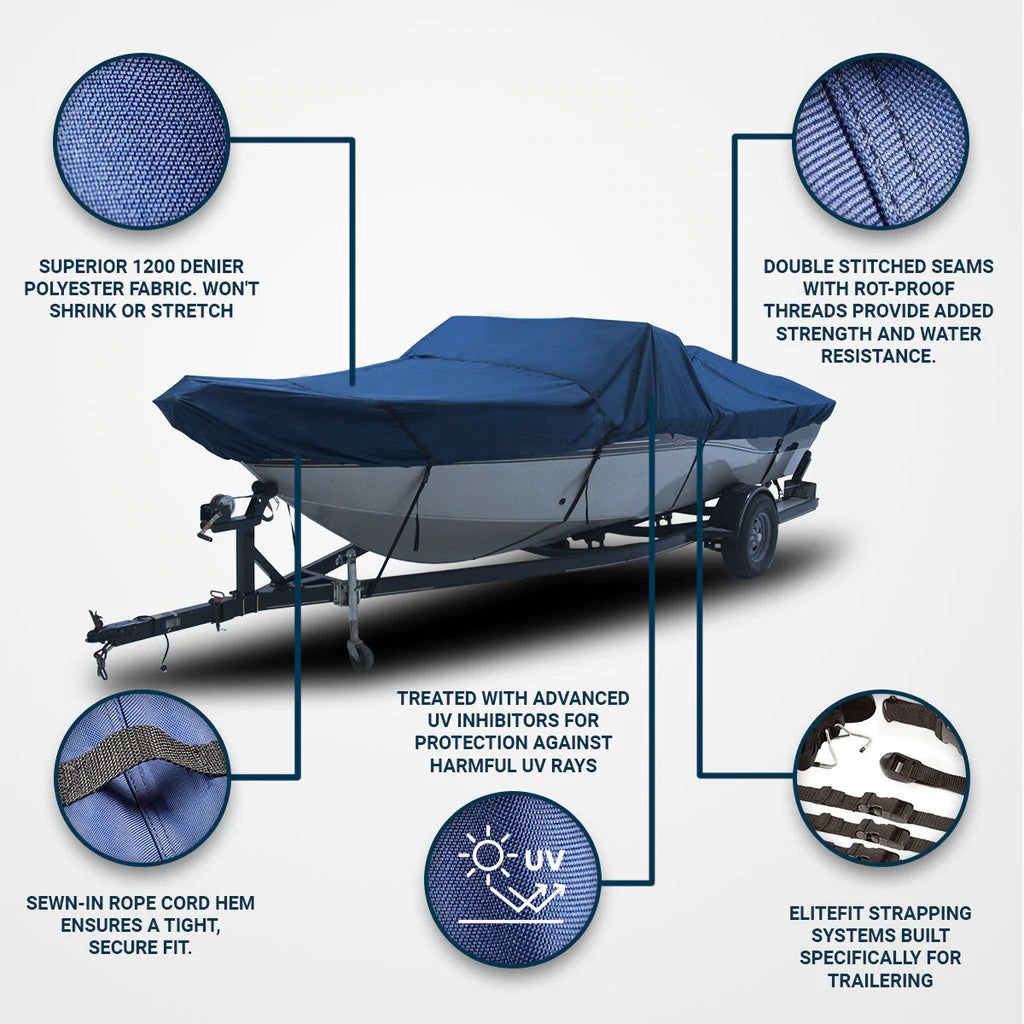
The following are just some of the benefits of Seal Skin boat covers that might help you to decide whether our boat covers are worth buying for your boat or not.
- Our boat covers come in different shapes and sizes to perfectly fit virtually every model of boat.
- A Seal Skin boat cover includes tie-down straps which ensure that your boat is covered entirely and properly so that it doesn’t flap during strong winds due to a loose fit.
- Our expertly designed boat covers are designed for trailering, storage, and mooring of your boat, and are suitable for any climate.
- Our heavy-duty boat covers are designed in such a way that they will not stretch or shrink over the years and provide superior protection to your boat. Our boat covers are long-lasting, relieving you from the stress of replacing them.
- Our top-quality covers include vents that provide air circulation to prevent moisture build-up underneath the cover, thereby preventing the growth of mold and mildew on your boat.
A boat cover is mandatory for both outdoor and indoor boat storage. It can protect your boat from harsh weather conditions, tree sap, dirt and dust formation, animal and bird droppings, and so on. We sell Seal-Fit boat covers that provide the same level of protection that a custom cover does at a much lower price point.
At Seal Skin, we offer some of the best boat covers on the market and you can choose one based on your budget and need. When you purchase a boat cover from us, we will also be providing a manual that contains Seal Skin boat cover installation steps. This will help you understand how to install a Seal Skin boat cover.
You can call us at 800-915-0038 during our office hours (Monday to Sunday, 9 AM to Midnight EST) and we will help you find the right boat cover that fits your needs and budget. We will also help you if you have any questions about our products, shipping policies, and exchange/refund policies.
FAQs
How do you put on a boat cover?Position the front of the cover correctly, center it over the boat, and secure it with the appropriate straps and support system. Adjust the tension so the cover is snug and even.
What is the proper way to install a boat cover?Clean and inspect the boat first, identify the front of the cover, position it evenly, install support poles if needed, and secure all straps. Finish by checking the fit and drainage.
How tight should a boat cover be?A boat cover should be snug and taut without being excessively tight.
It should stay securely in place without putting unnecessary stress on the fabric or fasteners.
How do you secure a boat cover?Use the cover's tie-down straps, buckles, and designated attachment points to secure it around the boat or trailer. Tighten the straps evenly to minimize movement and sagging.
How do you use boat cover straps?Attach the straps to the cover's designated loops or buckles and secure them to the appropriate points on the boat or trailer. Adjust each strap until the cover is evenly tensioned.
Do you need support poles under a boat cover?Support poles are recommended when the cover requires them to maintain its shape and prevent sagging. They can also help create a slope that allows water to drain away.
How do you prevent water from pooling on a boat cover?Use support poles or another approved support system and keep the cover properly tensioned. This helps create a raised surface so rainwater can run off instead of collecting on the fabric.
How do you keep a boat cover from sagging?Use the recommended support poles and adjust the tie-down straps so that the cover remains taut. Proper positioning also helps eliminate low spots where water can accumulate.
How do you keep a boat cover from blowing off?Secure all tie-down straps and buckles properly and make sure the cover fits snugly. For trailering, use a cover specifically designed for highway travel and follow the manufacturer's securing instructions.
How do you secure a boat cover for trailering?Use a trailerable boat cover and secure every designated strap and attachment point.
Make sure the cover is taut with no loose sections, and inspect the fasteners before towing.
How to keep a boat cover secure?Secure the cover using its provided straps, buckles, and designated tie-down points to keep it firmly positioned. Make sure the cover fits properly and the straps are evenly tightened.
What are the Seal Skin boat cover instructions?Seal Skin boat cover instructions explain how to position, secure, and care for the cover. Follow the instructions provided with your specific cover for proper installation.
What is a waterproof boat cover?A waterproof boat cover is made to keep water from penetrating the material, helping shield the boat from rain, moisture, and wet weather.