


Do Car Covers Scratch Paint?
By John Funk, September 14, 2026
Quick Answer
Yes, car covers can scratch paint if they are used improperly, but the cover itself is usually not the culprit. Dirt, dust, and debris trapped between the cover and the vehicle can create friction and cause fine scratches or swirl marks when the cover moves. A properly fitted, clean car cover with a soft interior can reduce friction-related scratches while providing protection from sunlight, rain, dust, and other environmental conditions.
Key Takeaways
- Car covers generally do not scratch paint on their own, but trapped dirt and debris can cause scratches through friction.
- A clean car and clean cover help reduce the risk of scratches, swirl marks, and damage to the clear coat.
- Choose a properly fitted cover with a soft, smooth, non-abrasive inner lining to help protect your vehicle’s paint from scratches.
- Outdoor covers should shield your vehicle from UV rays, rain, wind, dust, and other environmental conditions.
- A snug-fitting, breathable cover can help protect your vehicle while minimizing movement that may contribute to paint damage.

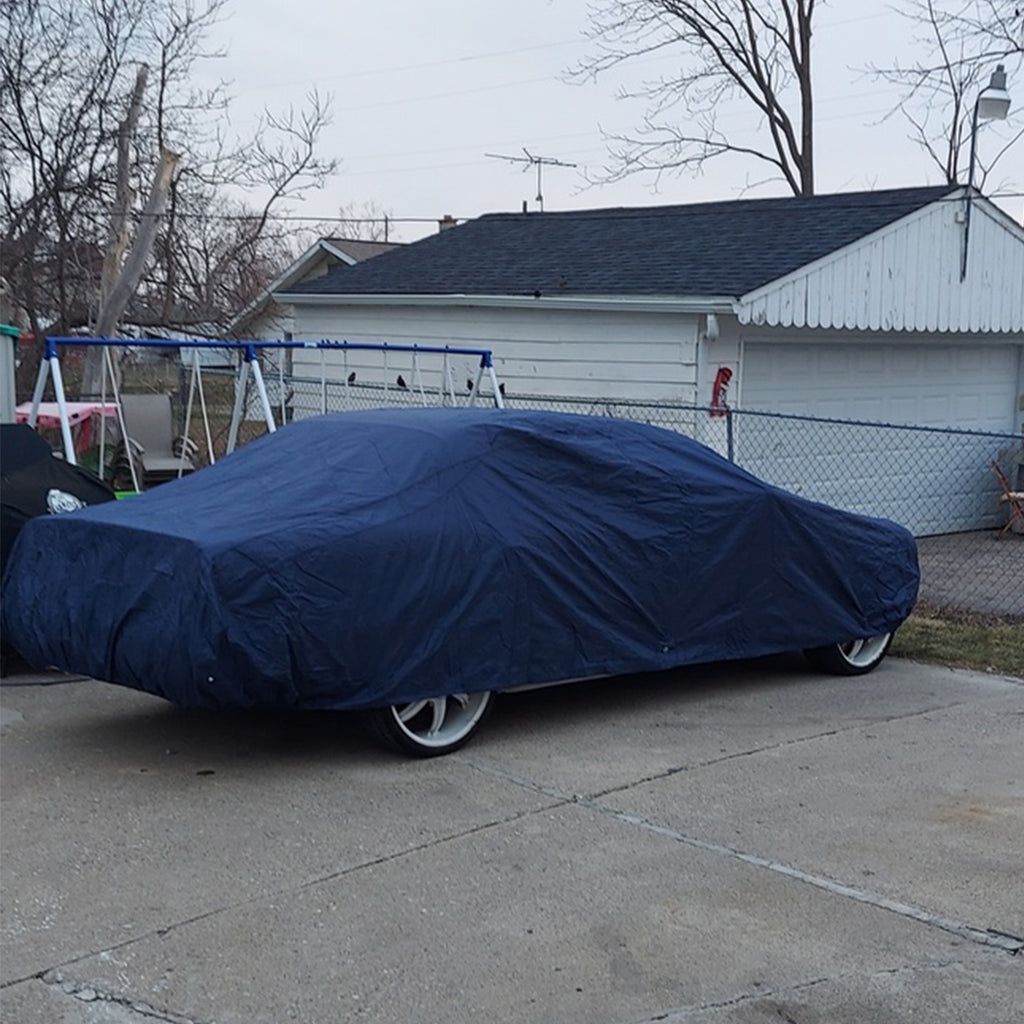
Car covers are meant to protect your vehicle, but many car owners wonder whether they can actually damage the paint. This concern is especially common when covers are used outdoors or placed over a vehicle that has dirt and debris on its surface.
When used properly, a quality car cover can protect your vehicle’s paint without causing scratches. However, dirt, dust, and debris caught between the cover and the vehicle’s surface can cause friction when the cover shifts, resulting in fine scratches and swirl marks. Knowing what can cause paint damage and using your car cover correctly can help keep your vehicle protected while preserving its finish.
Why Do Car Covers Sometimes Scratch Paint?
Do car covers scratch paint? Car covers do not typically scratch paint by themselves. The main concern is friction between the cover, dirt, and the vehicle’s surface. When dust, sand, or other debris gets trapped beneath the cover, it can rub against the paint as the cover is installed, removed, or shifted by the wind.
A poor fit can also increase the risk. A loose cover may shift or flap against the vehicle, creating repeated friction that can contribute to fine scratches and swirl marks. Using a dirty cover can have a similar effect, as accumulated dirt and debris may come into contact with the paint.
To minimize the risk of paint damage, keep the vehicle and cover clean, select a cover with a soft inner lining, and ensure it fits securely.
Seal Skin Expert Tip: Pay attention to how your car cover behaves in windy conditions. If it shifts or flaps against the vehicle, check the fit and use the available securing features to minimize movement and friction.
How to Prevent Car Cover Scratches

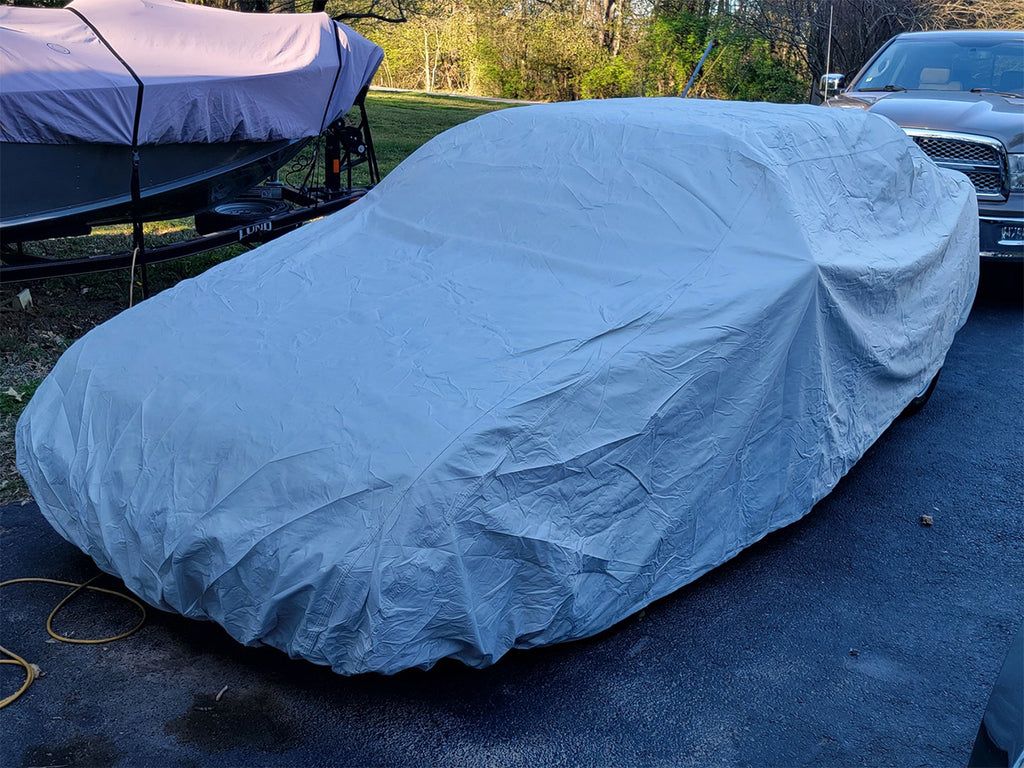
Using a car cover correctly can help protect your vehicle’s paint while reducing the risk of scratches and swirl marks. A few simple precautions can make a significant difference, especially when the cover is used regularly.
Keep Your Car Clean and Dry
Before putting on a car cover, remove dirt, dust, sand, and other debris from the vehicle’s exterior. These particles can become trapped beneath the cover and rub against the paint when the cover moves. Make sure the vehicle is also dry before covering it, as trapped moisture can contribute to water spots and other issues.
Seal Skin Expert Tip: Always check the vehicle’s surface for sand, dirt, or debris before installing a car cover. Even small particles can create friction between the cover and paint when the cover moves.
Choose a Soft Inner Lining
Select a cover made with a soft inner lining that is gentle against your vehicle’s finish. This layer sits directly against the vehicle’s finish and can help reduce friction between the cover and the paint. Avoid covers made with rough materials that could potentially cause abrasion during installation or when the cover moves.
Choose the Right Fit
A properly fitted cover should follow the contours of your vehicle without being excessively loose or difficult to install. An oversized cover can flap against the body in windy conditions, creating unnecessary friction. A cover that is too tight may also be difficult to put on and remove without dragging it across the paint.
Secure the Cover Properly
Secure the cover according to the manufacturer’s instructions, particularly when using it outdoors. Tie-down straps, elastic hems, or other fastening systems can help keep the cover in place and reduce movement caused by wind. A secure cover is less likely to flap against the vehicle and cause friction.
Install and Remove the Cover Carefully
Avoid dragging the cover across the vehicle’s surface when putting it on or taking it off. Instead, place and remove it carefully to minimize contact with dirt or debris. If the cover has become dirty, clean it according to the manufacturer’s care instructions before using it again.
What Should You Look for in a Car Cover to Avoid Paint Damage?
Choosing the right car cover can help protect your vehicle’s paint while reducing the risk of scratches, swirl marks, and other surface damage. If you are looking for a scratch proof car cover, consider the material, fit, construction, and features that help limit friction and movement.

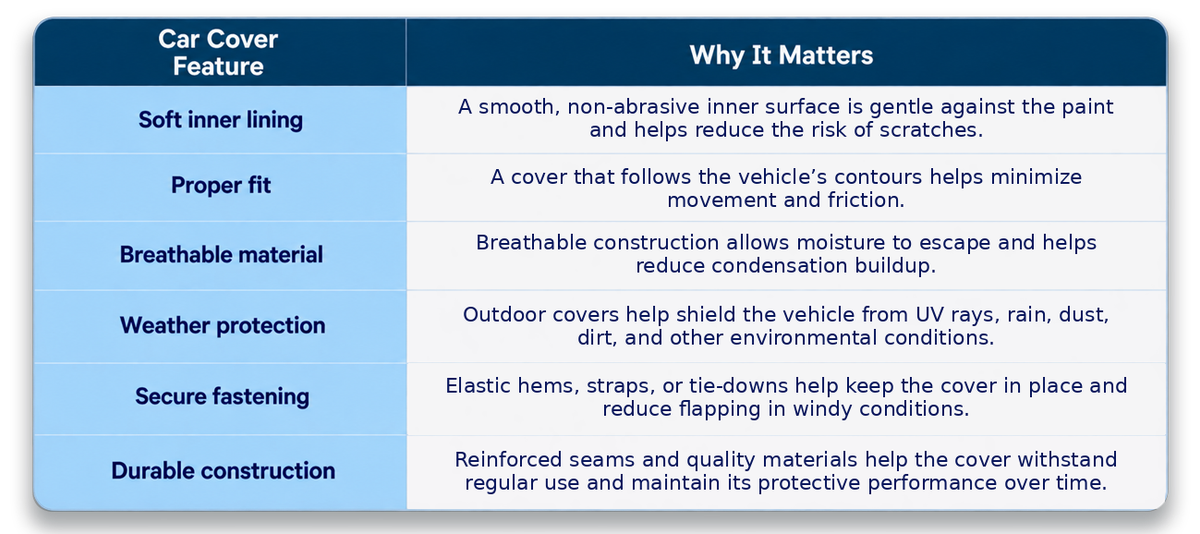
Seal Skin Expert Tip: Avoid using a cover that is too loose or too tight for your vehicle. The right fit helps keep the cover in place while making installation and removal easier, which can reduce unnecessary contact with the paint.
Why Choose a Seal Skin Car Cover for Paint Protection?
A car cover should protect your vehicle without creating unnecessary friction against the paint. Seal Skin Covers are designed with several features that help provide protection while reducing the risk of surface abrasion during regular use.
- Multi-layer construction: Multiple layers provide added protection against everyday outdoor conditions while creating a barrier between the vehicle and environmental debris.
- Soft inner lining: The smooth inner lining is designed to be gentle against the vehicle’s finish and helps reduce the risk of abrasion.
- Weather protection: The cover’s outer layers help guard the vehicle against UV rays, rain, dust, dirt, and everyday outdoor exposure.
- Breathable construction: Breathable materials allow moisture vapor to escape, helping reduce moisture buildup beneath the cover.
- Snug, semi-custom fit: A contoured fit helps the cover stay closer to the vehicle’s body, reducing excessive movement and flapping that can create friction.
- Reinforced securing points: Reinforced grommets and other securing features help keep the cover in place, particularly during windy conditions.
- Double-stitched seams: Double-stitched seams add durability at key stress points, helping the cover withstand repeated installation and removal.
If you’re planning to buy a cover to protect your car against the elements but are afraid of getting scratches, Seal Skin is the go-to brand! By purchasing a Seal-Fit car cover from a trustworthy manufacturer like Seal Skin Covers, you’ll get:
Great value for money. Seal Skin covers are made to last. For added strength and water resistance, we double-stitched the seams and all the other major wear points. We also offer the best prices and will ship your order at no additional cost. Still on the fence about making a purchase? You don’t have to. Our products come with a full 30-day return and exchange warranty and a 10-year manufacturer’s warranty.
For questions about our products, shipping policies, and exchange/refund policies, You can call us at 800-915-0038 during our office hours (Monday to Sunday, 9 AM to Midnight EST) and we will help you find the right cover that fits your needs and your budget.
FAQs
Do car covers scratch paint?
Yes, a car cover can contribute to scratches if dirt, dust, or debris gets trapped underneath it. Friction from the cover moving against these particles can cause fine scratches and swirl marks.
How can you prevent a car cover from scratching your car?
Keep both your vehicle and the cover clean before use. Choose a properly fitted cover with a soft, non-abrasive inner lining and secure it to minimize movement.
Is it necessary to wash your car before covering it?
Yes, a clean vehicle is less likely to develop scratches from particles trapped beneath the cover. Let the exterior dry completely after washing before putting on the cover.
Do car covers damage paint?
Car covers can damage paint if they are used improperly, but the cover itself is not usually the cause. Dirt, dust, sand, and other debris trapped between the cover and the vehicle can create friction and lead to fine scratches or swirl marks. Keeping the vehicle and cover clean, choosing a properly fitted cover with a soft inner lining, and securing it correctly can help reduce the risk of paint damage.
Can you put a car cover on a dirty car?
It is best to avoid covering a dirty vehicle whenever possible. Dirt and debris trapped between the cover and paint can create friction and increase the risk of scratches.
Does a soft car cover prevent scratches?
A soft, non-abrasive inner lining can help reduce the risk of scratches caused by contact with the vehicle’s surface. However, keeping the cover and vehicle clean and choosing the right fit are also important.
Can wind cause a car cover to scratch paint?
Yes, strong winds can cause a loose cover to flap and repeatedly rub against the vehicle’s surface. Proper sizing and secure fastening can help minimize movement and reduce this risk.
Are car covers safe for cars with ceramic coating?
Generally, a clean, properly fitted car cover can be used on a vehicle with a ceramic coating. Choose one with a soft inner lining and avoid placing the cover over dirt or debris that could create friction.
What is a soft indoor car cover?
A soft indoor car cover is designed to protect a vehicle stored in a garage or other enclosed space from dust, dirt, and minor surface contaminants. It typically features a soft, non-abrasive inner lining that is gentle on the vehicle’s paint. For better protection, choose a properly fitted cover and clean the vehicle before covering it.
What is the best car cover that won't scratch paint?
For added paint protection, opt for a cover with a soft interior, a snug fit, and features that keep it securely in place. A properly fitted cover is less likely to move or flap against the vehicle, while a soft inner surface helps reduce abrasion. Keep both the car and the cover clean, since trapped dirt and debris can still cause scratches regardless of the cover material.