



Tarp for Car Cover: Is It Safe for Your Vehicle?
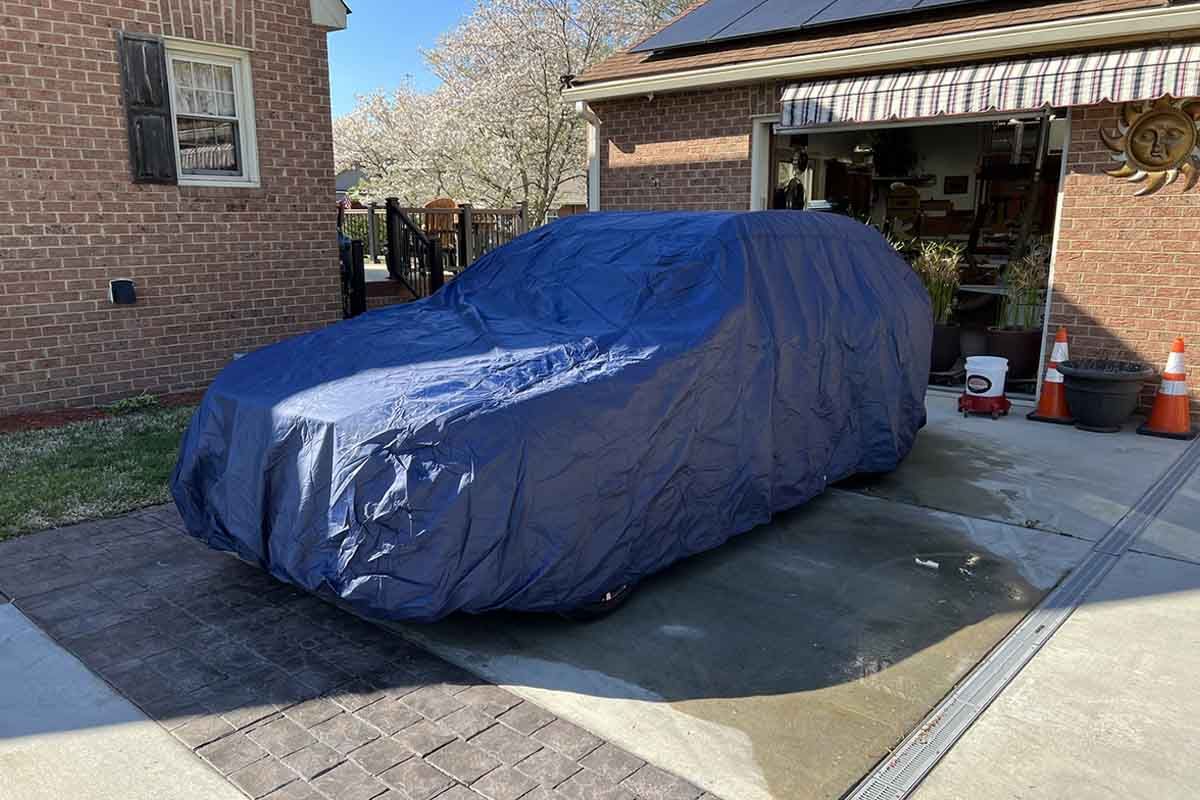
A tarp can serve as a temporary car cover when you need basic protection for a short period and can secure it without excessive movement against the vehicle. However, tarps are designed for general-purpose covering, so they may lack the vehicle-specific fit, fastening, and surface-friendly construction of a purpose-built car cover. For regular outdoor use, a properly fitted car cover is generally a more suitable option.
Key Takeaways
- A tarp can work as a temporary car cover, particularly when a purpose-built cover is not immediately available.
- The tarp's material, dimensions, construction, and placement can influence how effectively it covers the vehicle.
- Loose or rough tarps can potentially rub against automotive paint, especially when wind causes repeated movement.
- A tarp that does not manage moisture well can contribute to moisture accumulating underneath the covering.
- For regular outdoor use, a properly fitted car cover is generally better suited to protecting a vehicle than a generic tarp.
- Avoid placing any cover over a dirty, wet, or excessively hot vehicle unless the product instructions specifically allow it.
For temporary protection, a tarp can be a practical option, but regular outdoor use calls for a cover designed specifically for vehicles. It can provide a basic barrier against rain, dirt, leaves, and sunlight, making it useful when a dedicated car cover is unavailable. However, a generic tarp is not shaped specifically for a vehicle.
Loose or rough material can move against the paint in windy conditions, while some tarp constructions may not manage moisture well underneath the covering. A purpose-built car cover is designed around vehicle fit, material, fastening, and outdoor-use requirements.
This blog post will explain when a tarp for car cover can make sense, the risks to consider, how a tarp compares with a purpose-built cover, and what to look for when protecting a vehicle outdoors.
Can You Use a Tarp as a Car Cover?
For occasional or emergency coverage, a tarp can be an option, but it should be selected and used carefully to avoid problems caused by movement, moisture, or trapped debris.
A tarp can be useful when you need basic protection quickly. For example, a tarp can be useful when sudden weather hits, during an emergency, or whenever a vehicle needs temporary coverage and a dedicated car cover is unavailable.
The situation changes when the vehicle needs repeated or extended protection.
Temporary use may include:
- Unexpected weather
- Emergency protection
- Short periods of outdoor parking
- Situations where a dedicated cover is unavailable
Regular or long-term use may include:
- Seasonal storage
- Extended outdoor parking
- Repeated daily covering
- Protecting the vehicle's exterior over a longer period
Can I Use a Tarp for My Car?
A tarp may be suitable in some situations, depending on the parking conditions, duration of use, and how securely it can be fitted without rubbing against the paint.
- Short-term or emergency use: A suitable tarp may provide basic protection when it can be positioned and secured without creating unnecessary contact with the vehicle.
- Long-term outdoor use: A purpose-built car cover is generally better suited to repeated outdoor protection.
- Rough, oversized, damaged, or difficult-to-secure tarp: Avoid placing it directly on the vehicle.
The key is to consider how the tarp will behave once it is on the vehicle, rather than assuming any waterproof sheet will work as a car cover.
When Does a Tarp Make Sense as a Temporary Car Cover?
A temporary car cover can be useful when the goal is basic protection for a limited period rather than long-term vehicle storage.
You Need a Cover Immediately
Sometimes the practical choice is the material already available. If severe weather is approaching and a purpose-built car cover cannot be obtained in time, a suitable tarp may provide a temporary barrier against rain, leaves, dirt, or sunlight.
The tarp should still be clean, appropriately sized, and suitable for the situation. It also needs to be positioned so that excess material does not drag across the vehicle or ground.
You're Protecting a Vehicle for a Short Period
A tarp can make more sense when the vehicle only needs coverage for a short period. This could include temporary outdoor parking, moving a vehicle between locations, or protecting it while a dedicated cover is being purchased.
A short period of use can still lead to issues if the tarp is not suitable or secured properly. Wind, dirt, rough surfaces, and trapped moisture can still affect the vehicle.
The Vehicle Is Under Additional Shelter
A tarp may have a different risk profile when the vehicle is already under some form of overhead protection, such as:
- A carport
- Covered parking
- A garage
- Another form of overhead shelter
Partial shelter can reduce direct exposure to rain and sunlight, but it does not automatically make a tarp safe for the vehicle. Wind can still move the material, and moisture can still accumulate underneath it depending on the conditions.
You Have the Right Size and Material
Using the largest tarp available is not necessarily the best approach. Excess material can create loose areas that catch wind, while a tarp that is too small may leave parts of the vehicle exposed.
The material also matters. Consider the tarp's surface, construction, weather resistance, and whether it is appropriate for direct contact with a painted vehicle.
What Are the Problems With Using a Tarp as a Car Cover?
The main concern with a tarp car cover is that a generic tarp is designed as a broad protective barrier rather than as a fitted covering for a specific vehicle. That difference can affect fit, movement, handling, and moisture management.
Tarps Don't Have a Vehicle-Specific Fit
Most tarps have a rectangular construction. A car has mirrors, curves, windows, trim, wheels, and other areas that do not match a simple rectangular shape.
This can leave:
- Excess material around the vehicle
- Loose areas that can move in the wind
- Exposed areas that the tarp does not fully cover
- Material that can reach the ground
- More difficulty securing the covering evenly
Fit becomes particularly important in windy conditions. Loose material gives wind more opportunity to lift, shift, and move the covering against the vehicle.
Wind Can Cause a Tarp to Move Against the Vehicle
Wind is an important consideration when using a tarp to cover a car. Loose material can flap, shift, rub against painted surfaces, become displaced, or expose parts of the vehicle.
That does not mean every tarp will scratch paint. The risk depends on the tarp material, the condition of the vehicle and tarp, whether dirt or grit is present, and how much movement occurs.
A tarp that remains relatively stationary presents a different situation from one that repeatedly moves across the vehicle in strong wind.
Rough Tarp Materials Can Be Abrasive
One common concern is: will a tarp scratch car paint?
A rough material rubbing against a painted surface can create abrasion, particularly when dirt or grit becomes trapped between the tarp and the vehicle.
The issue is not simply whether the material is waterproof. Its surface, construction, and the way it contacts the vehicle also matter. Repeated movement can increase the potential for surface abrasion.
Moisture Can Become a Problem
Keeping rain out and managing moisture underneath a covering are two different things.
A tarp may help block water from reaching the vehicle, but its material and installation can affect how much air circulates underneath. If moisture becomes trapped underneath, condensation and prolonged dampness can become concerns.
The potential for trapped moisture does not mean every tarp will cause mold, mildew, rust, or related damage. The actual risk depends on the vehicle's condition, weather, ventilation, and the tarp's construction.
A Tarp May Not Stay Secure in Strong Wind
Wind exposure can make a generic tarp difficult to manage. Oversized material, exposed edges, and limited tie-down options can allow the covering to move or become displaced.
Securing the tarp tightly enough to resist wind can also create additional contact points with the vehicle. The goal should be to keep the covering stable without creating unnecessary pressure or friction against painted surfaces.
Putting On and Removing a Tarp Can Be Awkward
Large tarps can be difficult to handle around mirrors, trim, antennas, and other vehicle features. Folded material can also be cumbersome to position evenly.
Dragging a tarp across the vehicle can introduce another problem. If dirt or grit is already on the tarp, moving it across painted panels can increase the possibility of surface abrasion.
For a covering that needs to be installed and removed frequently, ease of handling becomes an important practical consideration.
Can a Tarp Damage Car Paint?
A tarp can contribute to paint damage if its material is abrasive, if dirt becomes trapped underneath it, or if the tarp repeatedly moves against the vehicle. The effect on the paint can depend on several factors.
Tarp Material
Not every tarp has the same surface or construction. Some may have a smoother surface, while others may feel rougher or be designed for applications where direct contact with automotive paint was never the primary concern.
Check the material and intended use rather than assuming every tarp will behave the same way.
Dirt and Grit
Dirt trapped between two surfaces can increase abrasion when either surface moves.
For this reason, putting a tarp over a dirty vehicle or using a dirty tarp can create more risk than placing a clean covering over a clean, dry vehicle.
Wind and Movement
Repeated movement can be more concerning than simply placing a stationary covering over a vehicle.
When wind causes a tarp to flap or shift, the material can repeatedly contact painted surfaces. The more movement that occurs, the more important the tarp's surface and the condition of the vehicle become.
How the Tarp Is Handled
Dragging or repositioning a dirty tarp across painted panels can increase the possibility of surface abrasion.
When removing a tarp, avoid pulling it across the vehicle unnecessarily. Fold or roll it away from the painted surfaces where practical.
Can a Tarp Protect Your Car From Rain, Sun, Snow and Hail?
A tarp for covering a car can provide a basic physical barrier against several outdoor conditions, but the level of protection depends on the tarp's material, construction, fit, and installation.
| Weather Condition | What a Tarp Can Do | Important Limitation |
|---|---|---|
| Rain | Provide a water-resistant barrier | Moisture can still accumulate underneath |
| Sun/UV | Block some direct sunlight | UV resistance varies by tarp material |
| Leaves/Dust | Provide a physical barrier | Loose material may allow gaps |
| Snow | Keep some precipitation off the vehicle | Weight and securing become important |
| Hail | Provide some physical separation | A standard tarp should not automatically be treated as dedicated hail protection |
| Wind | Can be secured over a vehicle | Flapping and movement can create problems |
A tarp can therefore provide useful basic coverage, but it should not automatically be treated as a complete solution for every weather condition.
Hail is a particularly important example. A standard tarp may create some separation between falling hail and the vehicle, but that does not establish a specific level of impact protection.
Car Cover vs Tarp: What's the Difference?
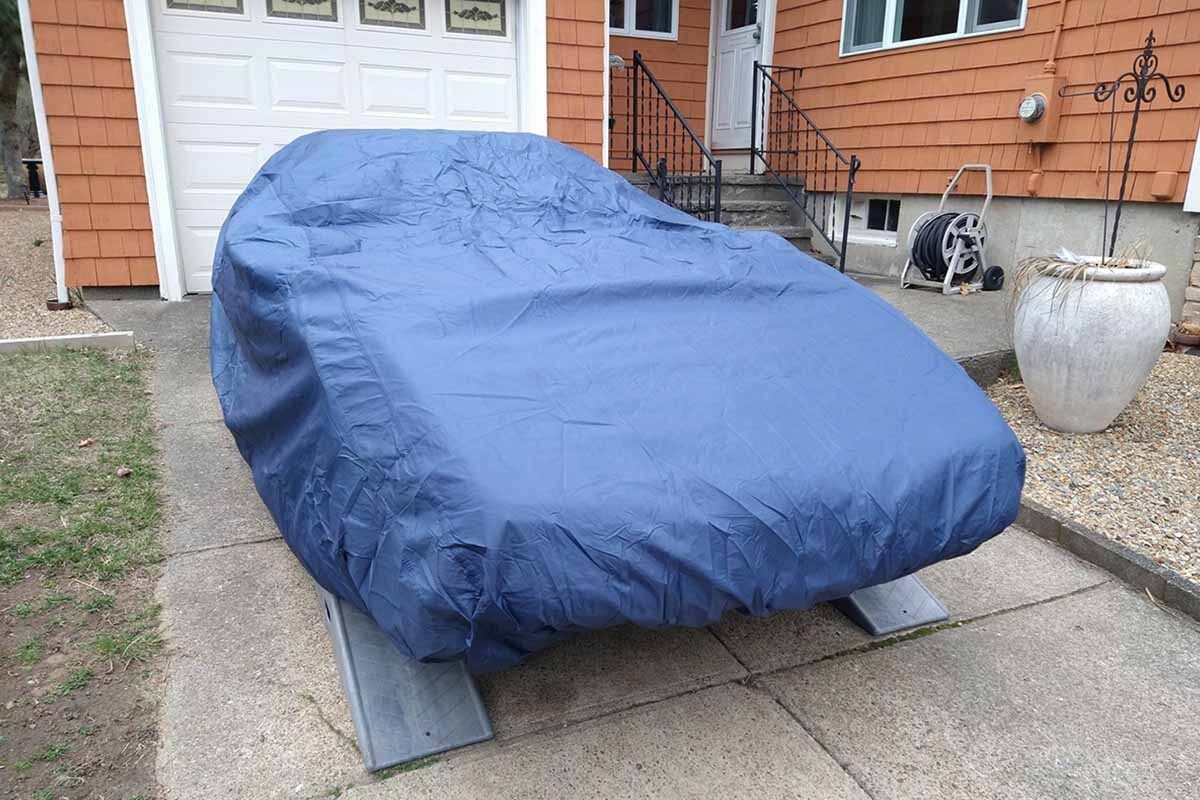
The main difference when it comes to car cover vs tarp is the intended application. A tarp is a general-purpose covering, while a purpose-built car cover is designed around the dimensions, surfaces, installation, and outdoor protection needs of a vehicle.
| Feature | Tarp | Purpose-Built Car Cover |
|---|---|---|
| Vehicle-specific fit | Usually no | Designed for specific vehicle dimensions |
| Availability | Widely available | Purchased specifically for the vehicle |
| Cost | Usually lower | Typically higher |
| Surface protection | Depends heavily on material | Designed with vehicle use in mind |
| Wind management | Requires external securing | Usually incorporates dedicated fastening |
| Breathability | Varies by material | Depends on the specific cover design |
| Ease of installation | Can be awkward | Generally designed for vehicle installation |
| Long-term use | Depends on application | Designed specifically for repeated vehicle protection |
These characteristics vary between products. A high-quality tarp may perform differently from a lightweight general-purpose tarp, just as car covers differ in their materials and construction.
The biggest distinction is that a vehicle cover is designed around the job of covering a vehicle.
A Real-World Example
Customer feedback can also illustrate why fit, fastening, and interior material matter when choosing between a tarp and a purpose-built car cover. A Seal Skin customer, Johnathon McCasland, wrote:
The review highlights several features that can matter when a vehicle is covered regularly, including secure anchor points, UV protection, and a softer interior material designed to contact the vehicle.
The most suitable cover will depend on the vehicle's parking conditions, how frequently it is used, and the weather it typically encounters. A tarp may be practical for short-term or emergency use, while a purpose-built car cover offers features specifically intended for repeated vehicle covering.
Tarp vs Car Cover for Outdoor Storage: Which Is Better?
For outdoor storage, the right cover depends on how often the vehicle needs protection, how exposed it is to the weather, and how important fit and ease of handling are.
A purpose-built car cover is generally better suited when:
- The vehicle is regularly parked outside.
- The cover will be used repeatedly.
- A secure fit is important.
- Protecting the exterior finish is a priority.
- The vehicle is frequently exposed to rain, sun, wind, or snow.
- The cover needs to be installed and removed regularly.
A tarp may be reasonable when:
- The need is temporary.
- The tarp is suitable for the application.
- Weather conditions are manageable.
- The tarp can be safely secured.
- The vehicle is not relying on the tarp for extended protection.
The distinction is practical. A tarp can solve a short-term coverage problem, while a purpose-built car cover is designed for the repeated demands of protecting a vehicle.
Common Mistakes When Using a Tarp as a Car Cover
A tarp can become less useful when it is used without considering fit, material, weather, and handling.
Avoid these common mistakes:
- Using a tarp that is too small and leaves vehicle surfaces exposed.
- Using excessive tarp material that drags on the ground.
- Putting a tarp over a dirty vehicle.
- Dragging a dirty tarp across the paint.
- Leaving loose material exposed to strong wind.
- Using a visibly rough, worn, or deteriorated tarp.
- Ignoring moisture that becomes trapped underneath.
- Leaving a temporary tarp in place indefinitely.
- Assuming waterproof means breathable.
- Treating a generic tarp as equivalent to a purpose-built car cover.
A generic tarp and a purpose-built car cover can both provide coverage, but they are designed for different applications. The difference becomes more important when a vehicle is exposed to weather regularly or the covering needs to be installed and removed often.
Seal Skin Car Covers as an Alternative to a Tarp
A purpose-built Seal Skin cover is designed specifically for vehicle protection, while a tarp is a general-purpose covering. Seal Skin offers several cover types with different materials and construction to suit different parking and weather conditions.
Key features include:
- Vehicle-specific fit: Available in fit options designed for specific vehicle applications, helping reduce excess material and movement compared with a generic tarp.
- Secure fastening: Elastic hems, straps, and reinforced grommets help keep the cover in place during repeated use.
- Different material options: Supreme uses SEAL-TEC fabric with a heavy-duty outer shell, breathable middle membrane, and soft fleece lining. Elite uses waterproof polyester with a breathable design and soft fleece lining. The 5-Layer cover combines water-resistant polyester with a soft cotton interior, while ProGuard uses breathable cotton for garages and covered spaces.
- Protection for different conditions: Supreme is designed for demanding outdoor exposure with waterproofing, UV protection, wind-security features, and hail-resistant construction. Elite provides waterproof, breathable outdoor protection with UV protection. The 5-Layer model is suited to more moderate outdoor conditions, while ProGuard is intended for garages and covered parking.
- Purpose-built installation: Unlike a generic tarp that may require improvised tie-downs, Seal Skin covers are designed to fit around the vehicle and use dedicated fastening features. Supreme also uses ultrasonically welded seams.
- Designed for regular use: The combination of vehicle-specific fit and dedicated fastening features makes the covers easier to install, remove, and secure for repeated use.
The parking location and typical weather conditions can help determine which cover is most suitable. Before installation, follow the manufacturer's instructions and make sure the vehicle is clean and dry. Avoid overtightening straps or allowing fastening components to create unnecessary contact with painted surfaces.