


How to Keep Mice, Rats, and Other Rodents Out of Your Car or Boat?
By John Funk, January 06, 2026

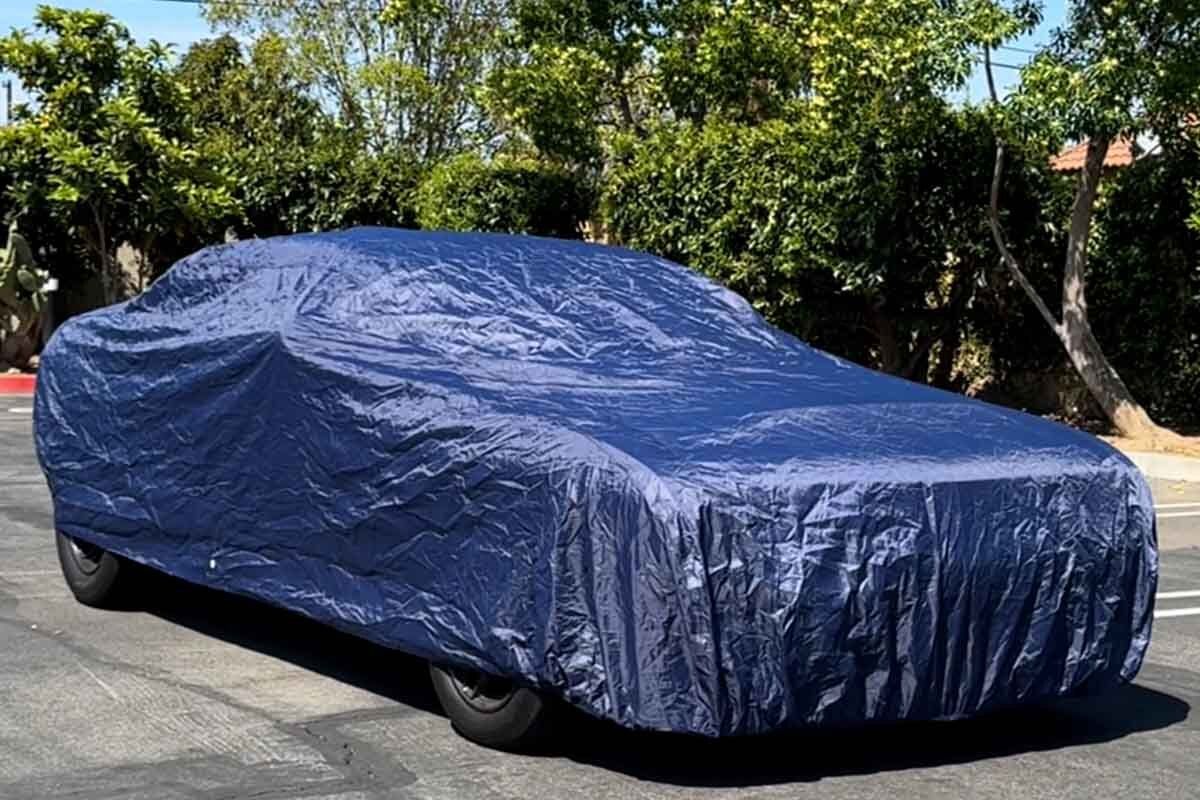
Discovering rodent damage in a car or boat can be both frustrating and expensive. Mice and rats view cars and boats as perfect nesting spots — warm, sheltered, and often filled with cozy materials. Knowing how to keep mice out of your car or boat and rodents from nesting in your engine can help avoid costly repairs and reduce associated health risks.
Why Rodents Love Vehicles and Boats
Rodents seek shelter, especially during colder months or when vehicles sit unused. Car engines provide warmth, while boats in storage offer quiet, undisturbed spaces.
The main issue is that these pests don't just nest — they chew. Wiring, insulation, hoses, and upholstery all become targets, leading to electrical failures, fluid leaks, and structural damage. In fact, wiring harness damage alone can run into the thousands, making rodent infestations a serious financial concern for car and boat owners.
Signs of Rodent Infestation
Before diving into prevention, check for these warning signs:
- Droppings in the engine bay, interior, or storage compartments
- Chewed wires, hoses, or fabric
- Nesting materials like shredded paper, fabric, or insulation
- Greasy rub marks along surfaces
- Unusual odors from urine or decomposition
- Dashboard warning lights indicating electrical issues
How to Keep Rodents Out of Your Car
Remove Food Sources and Attractants
Rodents are drawn to food remnants. Clean the interior thoroughly, removing crumbs, wrappers, and any items with food residue.
Avoid storing snacks, pet food, or scented items in the vehicle. Even air fresheners can attract curious mice.
Eliminate Nesting Materials
Remove items rodents could use for nesting: papers, tissues, cloth, or cardboard boxes. Keep the car interior tidy and free of clutter. Check the trunk and glove compartment regularly.
Park Strategically
Where a vehicle is parked matters significantly. Avoid parking near woodpiles, tall grass, dumpsters, or dense vegetation where rodents live.
Park in well-lit areas if possible, and consider using a garage. If parking outside, choose paved surfaces over grass or dirt.
Use Natural Deterrents
Several scents repel rodents effectively. Peppermint oil is highly effective. Deterring mice from car spaces often includes placing cotton balls soaked in peppermint oil in the engine bay, wheel wells, and interior areas. Replace these every few weeks as the scent fades.
Other natural deterrents include:
- Irish Spring soap bars placed under the hood
- Cayenne pepper sprinkled around tires
- Dryer sheets tucked into various compartments
- Cedar blocks or chips
Install Physical Barriers
Preventing rodents from entering your engine often involves sealing off potential access points. Rodents usually enter through gaps around wires, hoses, or ventilation openings. Hardware cloth or steel wool can seal these openings.
Some manufacturers now offer rodent-proof tape infused with capsaicin, which rodents find unpleasant to chew.
Commercial rodent screens designed specifically for engine air intakes and other openings provide effective protection without affecting vehicle performance.
Consumer Reports and AAA both acknowledge rodent damage as a growing winter issue and recommend using physical barriers alongside deterrents as part of an overall prevention strategy.
Try Electronic Deterrents
Ultrasonic repellent devices emit high-frequency sounds that rodents find disturbing. Battery-powered units designed for vehicles can be placed under the hood. While effectiveness varies, many vehicle owners report success with these devices, especially when combined with other methods.
Consider Rodent Deterrent Spray
Preventing rodents from damaging car wiring may involve using specialized deterrent products. Rodent deterrent sprays containing bitter agents can be applied to wiring harnesses and other vulnerable components. These non-toxic sprays make surfaces taste terrible to rodents without harming the vehicle or the environment.
Keep the Car Running
Regular use prevents rodent problems. When vehicles sit idle for extended periods, they become attractive nesting sites. Try to start the vehicle and let it run briefly every few days. This keeps the engine warm and creates noise and vibration that discourage nesting.
How to Keep Mice Out of a Boat in Storage
Boats pose distinct challenges because they are often stored for extended periods. Preventing mice during boat storage requires careful preparation before winterization.
Pre-Storage Cleaning
Clean the boat completely before storage. Clear out all food items, drinks, and scented products. Wash all surfaces to eliminate food residues and crumbs. Make sure cupholders, storage compartments, and the bilge area are properly cleaned.
Seal Entry Points
Inspect the boat for gaps and openings. Check around through-hull fittings, anchor lockers, engine compartments, and ventilation openings.
Seal gaps with marine-grade sealant or expandable foam. Install mesh screens over vents and openings to allow airflow while blocking rodents.
Remove Soft Materials
Take home cushions, life jackets, and any fabric items if possible. If items must stay aboard, store them in sealed plastic bins. Rodents shred upholstery and life jacket foam for nesting material, causing significant damage.
Create an Inhospitable Environment
Place multiple deterrents throughout the boat:
- Peppermint oil-soaked cotton balls in every compartment
- Moth balls in enclosed spaces (use cautiously as they're toxic)
- Irish Spring soap bars
- Electronic ultrasonic devices designed for marine use
Replace these regularly throughout the storage period.
Check Regularly
Visit stored boats monthly if possible. Look for signs of intrusion and refresh deterrents. Early detection prevents minor issues from becoming major damage.
Additional Prevention Strategies
Traps as a Last Resort
If deterrents aren't sufficient, strategic trap placement can help. Snap traps or live traps can be positioned near suspected entry points. Check traps frequently and dispose of caught rodents properly. Never leave poison in vehicles or boats where it could contaminate food preparation areas or harm pets.
Document and Inspect
Take photos of the engine bay and storage areas periodically. This creates a record that helps identify new damage quickly. Regular inspections catch problems before they escalate.
Professional Help
For severe infestations or valuable vehicles, professional pest control services can assess the situation and implement comprehensive solutions. They can identify entry points that might be missed and apply commercial-grade deterrents safely.
The Importance of a Top-Quality Cover — Seal Skin Cover


While the strategies above provide solid defense against rodents, investing in a quality cover adds an extra layer of protection that many vehicle and boat owners find invaluable.
Remember, a cover alone is not a cure. A cover should be positioned as part of a layered defense, not a standalone solution.
High-quality covers add a critical physical barrier that rodents struggle to bypass when combined with deterrents and good hygiene.
Seal Skin covers, made from tightly woven, durable materials, create a formidable barrier that rodents struggle to penetrate.
Our specialized covers work because rodents prefer easy access. When faced with a properly fitted Seal Skin cover, mice and rats usually move on to easier targets.
The tight weave prevents rodents from chewing through, unlike standard tarps or loose-fitting covers that can be breached easily.
Key advantages of Seal Skin covers include:
- Breathability that prevents moisture buildup. Unlike plastic tarps that trap condensation and create damp environments attractive to pests, Seal Skin covers allow air circulation while keeping rodents out.
- Perfect fit options that eliminate gaps. Properly fitted covers leave no entry points for even the smallest mice, addressing one of the biggest weaknesses in rodent prevention.Secure fit with reinforced grommets and elastic hems. Heavy-duty grommets and tight elastic hems help anchor the cover firmly in place, reducing gaps and limiting access points rodents rely on to crawl underneath.
- Durability that outlasts standard covers. The robust construction withstands weather, UV exposure, and attempted chewing, providing years of reliable protection.
- All-season protection. Whether dealing with summer heat or winter cold, these covers maintain their protective qualities year-round.
For boats in long-term storage, Seal Skin covers prove especially valuable. They protect not just against rodents but also against weather damage, UV deterioration, and debris accumulation. The investment often pays for itself by preventing a single costly repair from rodent damage or weather exposure.
Learning how to keep rats out of your car and boat requires consistent effort and multiple strategies. No single method guarantees complete protection, but combining physical barriers, natural deterrents, cleanliness, and regular inspections dramatically reduces the risk. Taking preventive steps for both everyday vehicles and stored boats protects value, lowers expenses, and reduces stress. Start implementing these strategies today. The best defense against rodent damage is prevention.
Our products are not just reasonably priced, but we will also ship your order right to your doorstep at no additional cost, without any delay. We offer a full 30-day money-back guarantee and a 10-year manufacturer’s warranty with every purchase.
You can call us at 800-915-0038 during our office hours (Monday to Friday from 9:00 AM to 5:00 PM EST), and we will help you find the perfect car or boat cover that fits your needs and budget. We will also help you if you have any questions about our products, shipping policies, and exchange/refund policies.