



Car Cover for Dust: What Should You Look For?
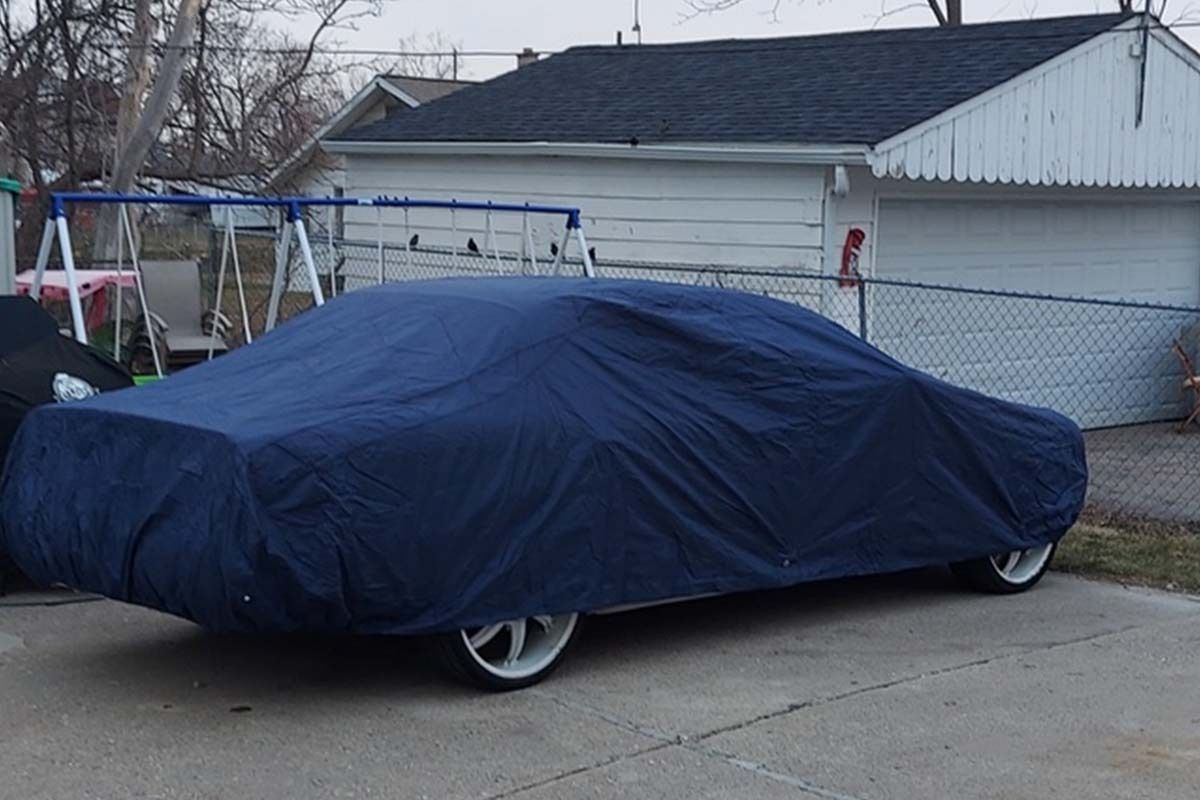
A good car cover for dust should have a snug fit, a soft paint-safe lining, and durable, breathable fabric. A secure fit helps limit gaps where dust can enter, while the soft inner layer reduces friction against the paint. Although no cover can block every dust particle, the right cover can significantly reduce dust buildup and help keep the vehicle cleaner.
Key Takeaways
- A secure fit helps keep dust out. A snug, size-matched cover leaves fewer gaps for dust.
- A soft inner lining helps protect the paint from fine scratches.
- Breathable fabric helps prevent trapped moisture under the cover.
- No cover is 100 percent dustproof, but a good one can greatly reduce dust buildup.
- Always clean the car and the cover before covering, so trapped grit does not rub against the paint.
You can wash your car one day and find a fresh layer of dust on it the next. While it may seem harmless, dust can become a concern when it is rubbed across the paint. Fine dust particles can become abrasive when rubbed against the paint, potentially causing minor scratches and swirl marks over time.
A car cover for dust helps keep much of that buildup off the vehicle in the first place. However, the cover itself needs to have the right fit, lining, fabric, and construction to do its job well.
This guide explains what to look for when choosing a cover, including how fit affects dust protection, why breathability matters, and what changes when the car is stored indoors or outdoors.
Does a Car Cover Protect Against Dust?
Yes, a car cover can reduce dust, but no cover can block it completely. Fine particles can settle on a parked vehicle both indoors and outdoors, especially when air movement carries dust into garages, carports, and open areas.
A fitted cover provides a barrier between the vehicle and most airborne dust. A snug fit also helps limit the amount of dust that can get through openings around the seams, wheels, and hem.
Material choice and construction are equally important when selecting a cover for dust protection. A loose cover can leave larger gaps, while a thin or rough material may provide less protection for the paint. The goal is not to find a cover that promises to eliminate every particle of dust. Instead, look for one that combines a close fit with a clean, durable, paint-safe construction.
A well-fitted car cover can greatly reduce dust buildup, but the vehicle should still be cleaned carefully when necessary.
What to Look for in a Car Cover for Dust
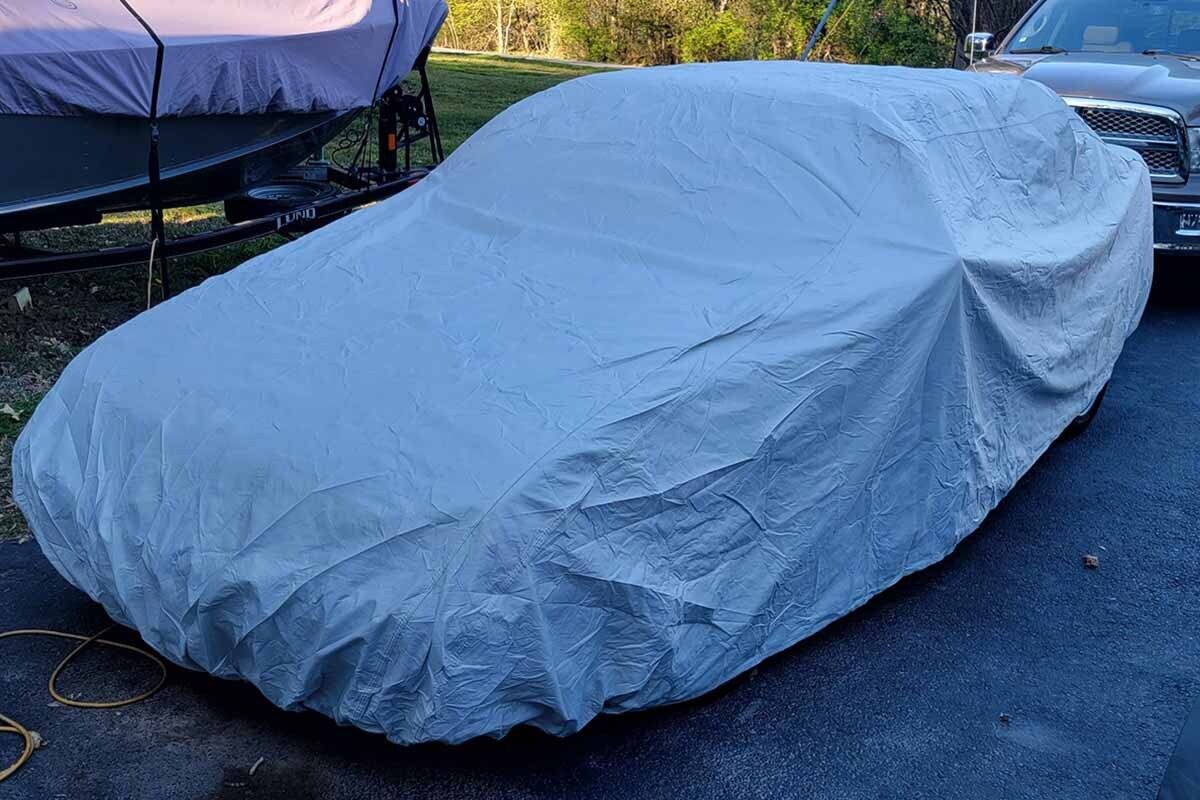
Choosing a car cover for dust is less about finding a cover with a specific label and more about looking at how it is made. Four features deserve particular attention.
Choose a Snug, Proper Fit
Fit is one of the biggest factors in dust protection. A snug, size-matched cover leaves fewer openings around the seams, wheels, and hem where dust can enter.
Universal covers are convenient, but they may leave extra material that creates larger gaps or allows the cover to move around. A true custom-fit cover provides the most precise fit, while a size-matched semi-custom cover can offer a practical middle ground for buyers looking for strong fit and protection without the price of a true custom cover.
A cover should sit securely over the vehicle rather than hanging loosely or leaving large areas exposed.
Look for a Soft, Paint-Safe Inner Layer
The cover's inner lining is just as important as its outer fabric. A soft inner lining helps reduce friction between the cover and the vehicle's finish.
This is especially important when fine dust or grit gets trapped between the cover and the paint. Even a soft lining cannot prevent scratches if abrasive particles are rubbing against the surface.
For that reason, the cover needs to stay clean. Before putting it on the vehicle, check that there is no embedded dirt or grit on the inside.
Consider Breathable Materials
A breathable cover allows heat and moisture to escape instead of trapping them underneath. This is useful for vehicles that remain covered for extended periods.
Without adequate breathability, condensation can build up beneath the cover. Over time, trapped dampness can contribute to mildew and water spots.
A breathable fabric is therefore useful for both dust protection and general long-term storage. The right balance is a material that helps keep dust away while still allowing moisture to escape.
Choose Durable, Dust-Resistant Fabric
The outer fabric should be durable enough for the conditions where the vehicle is stored. A tightly woven, durable material can help keep more dust away while standing up to regular use.
For an outdoor car cover, durability becomes even more important because the cover may also need to handle changing weather conditions. A heavy duty car cover should combine a strong outer construction with a secure fit and breathable design.
An all weather car cover can also make sense for outdoor storage when dust is only one part of the protection needed. The important point is to choose a construction that suits the vehicle's storage location rather than focusing on a single feature.
Best Car Cover Materials for Dust Protection
The best materials for dust protection combine durability with a soft interior and enough breathability for moisture to escape. Multi-layer construction can provide added protection, while a soft fleece lining helps protect the paint.
Seal Skin covers use a multi-layer fabric construction with a soft fleece lining and breathable build. These features are designed to provide protection for vehicles stored indoors or outdoors.
| Material / Feature | Dust Protection | Key Benefit |
|---|---|---|
| Multi-layer fabric | Excellent | Added protection and durability |
| Polyester | Good | Lightweight and durable |
| Soft inner lining | Excellent | Helps protect the paint |
| Breathable fabric | Good | Helps reduce trapped moisture |
Although a car cover cannot prevent all dust from getting through, its fit, fabric quality, and condition play a key role in limiting dust buildup.
Custom-Fit vs. Universal Car Covers for Dust
The amount of exposed space around the vehicle depends largely on how well the cover fits. Custom-fit covers are made for a specific vehicle and provide more precise coverage, while universal covers are designed to fit a broader range of vehicles.
| Feature | Custom-Fit | Universal |
|---|---|---|
| Fit | Precise | General |
| Dust protection | Excellent | Good |
| Coverage | Vehicle-specific | Varies |
| Ease of use | Good | Excellent |
| Best for | Long-term protection | Occasional use |
A universal cover can be convenient when a quick, readily available option is needed. However, its general sizing can leave extra space around the vehicle.
A true custom cover provides the most precise fit, but it can cost more. Seal Skin uses a size-matched, semi-custom approach that sits between these options. It is designed to provide a near-custom fit and fewer gaps for dust while costing less than a true custom cover.
Fit can make a noticeable difference when using a car cover for storage. A Seal Skin customer, Anthony P., shared this experience with a 2016 Camaro:
This review supports the importance of choosing a properly fitted cover when the goal is to reduce dust and protect the paint during storage.
How to Use a Car Cover in Dusty Conditions
A good cover works best when both the vehicle and the cover are kept clean. Before covering the car, take a few simple steps to avoid trapping abrasive particles against the paint.
- Clean and dry the car before covering it so grit is not trapped against the paint.
- Make sure the cover itself is clean and free of embedded dust.
- Secure the cover with its straps or hem so wind cannot lift it and allow dust underneath.
- Never place a dirty cover directly on the paint.
- Clean the cover regularly so accumulated dust does not turn it into an abrasive surface.
These steps are particularly important when the vehicle stays covered for long periods. A cover should reduce the amount of cleaning needed, not create another source of dirt and friction.
Can Dust Scratch Your Car's Paint?
Yes. Dust can contain fine particles that act like grit when they move across the vehicle's finish. Rubbing or wiping a dusty surface can drag those particles across the paint and leave fine scratches or swirl marks.
Dry wiping is especially risky because the dust has nowhere to go. Instead of removing the particles safely, a cloth can move them across the clear coat.
A clean, well-fitted car cover helps by keeping most airborne dust away from the paint. However, the cover also needs to stay clean. If dust or grit becomes trapped on the inside, rubbing the cover against the vehicle can cause the same type of problem.
When dust does settle on the car, rinse the surface before wiping it. Avoid wiping dry dust directly from the paint.
Car Cover for Dust: Indoor vs. Outdoor Use
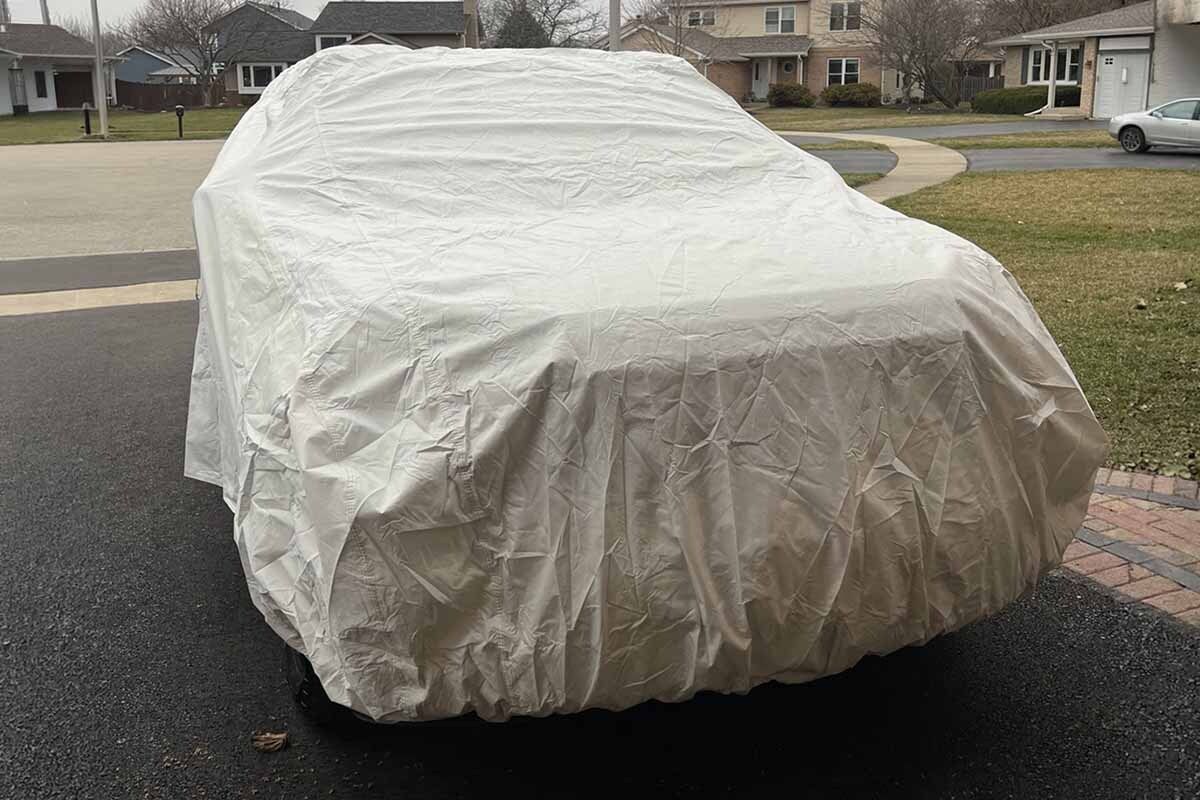
Where the vehicle is stored should influence the type of cover you choose. Indoor storage generally puts more emphasis on dust protection, paint safety, and breathability. Outdoor storage requires additional durability and weather resistance.
| Storage Location | Recommended Cover Features |
|---|---|
| Garage | Lightweight, dust-resistant, soft lining |
| Carport | Dust-resistant, breathable, secure fit |
| Outdoors | Durable, breathable, weather-resistant |
For garage storage, the best indoor car cover for dust does not necessarily need to be heavy or highly weather-resistant. A lighter, breathable cover with a soft lining can be a better fit for a vehicle that is protected from outdoor weather but exposed to dust.
A vehicle stored in a carport has more exposure to moving air and dust, so a secure fit becomes especially useful. Outdoor storage calls for a more durable, weather-resistant construction that can handle changing conditions.
Seal Skin's lined, breathable covers are suitable for both indoor and outdoor use, making them an option when the same cover needs to work in different storage environments.
Common Mistakes When Using a Car Cover for Dust
Even a well-made car cover can provide less protection when it is used incorrectly. Avoid these common mistakes:
- Choosing an oversized cover that leaves gaps for dust and flaps in the wind.
- Covering a dirty vehicle and trapping grit against the paint.
- Using a dirty or abrasive cover that rubs against the finish.
- Ignoring ventilation and allowing moisture to become trapped underneath.
- Failing to secure the cover, allowing wind to lift it and let dust underneath.
Keeping the cover and vehicle clean is particularly important. A cover is meant to create a barrier against dust, so dirt trapped between the cover and paint can defeat part of that purpose.
Get Better Dust Protection with Seal Skin Car Covers
The right car cover for dust comes down to four main features: a secure fit, a soft paint-safe inner layer, durable fabric, and breathability. Together, these features help reduce dust buildup while protecting the vehicle's finish during storage.
A size-matched cover can provide a practical balance between coverage and cost, while the right material helps the cover work indoors or outdoors. Keeping both the vehicle and cover clean is just as important as choosing the right construction.
For drivers who want to keep dust and fine scratches off their car without paying the price of a true custom cover, a Seal Skin car cover offers a practical option.
You can call us at 800-915-0038 during our office hours (Monday to Sunday, 9 AM to Midnight EST) and we will help you find the right car cover (best car cover for bird droppings) that fits your needs and budget. We will also help you if you have any questions about our products, shipping policies, and exchange/refund policies.