



Find Your Guaranteed-Fit Car Cover
Seal Skin Offers the Best Outdoor Car Covers for Commuters Without Garage Parking
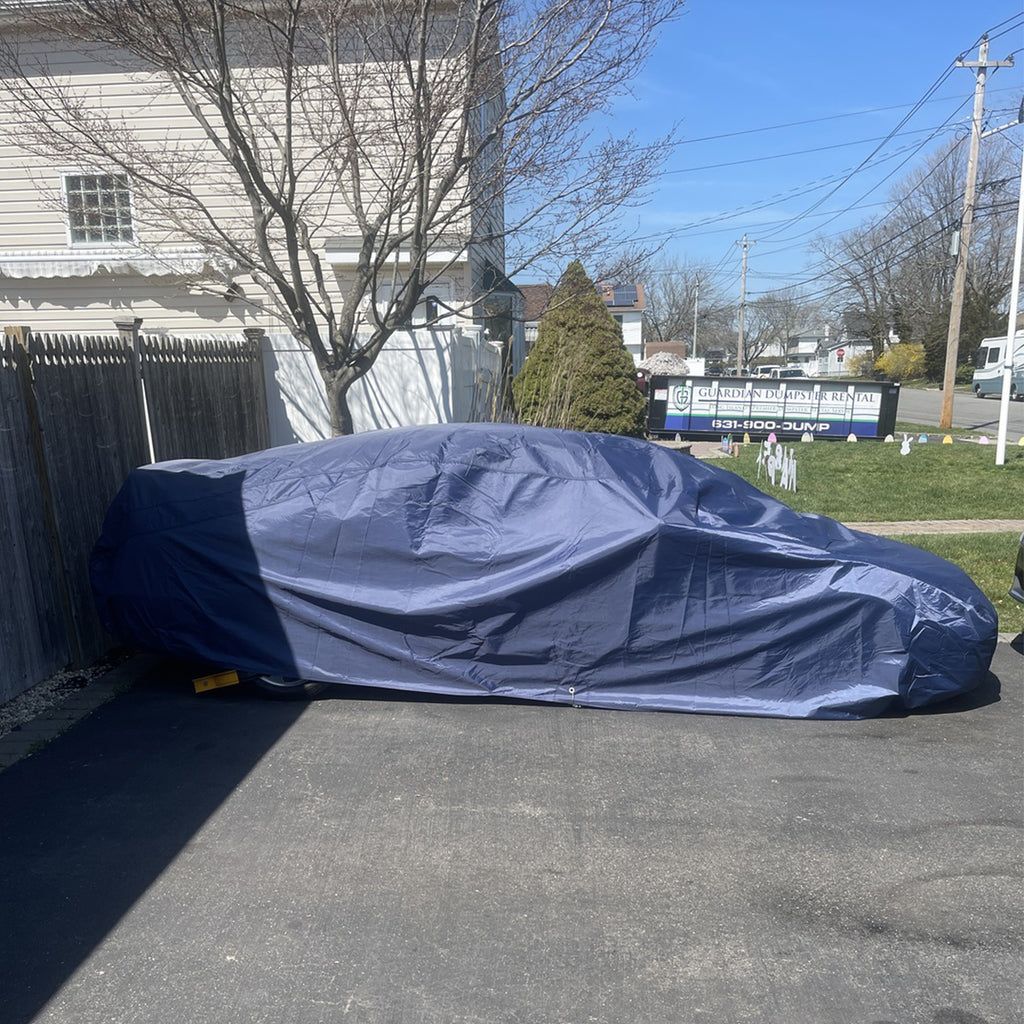
An outdoor car cover is one of the most practical ways for commuters without covered parking to help protect their vehicles from daily exposure to sunlight, rain, dust, tree sap, bird droppings, and other environmental hazards. Whether you leave your car in an uncovered driveway overnight, park in an open employee lot during the workday, or rely on street parking, your vehicle likely spends more time exposed to the elements than it does on the road.
For commuters, protecting a vehicle is about more than keeping it clean. Your car is essential for getting to work, maintaining your schedule, and supporting your everyday responsibilities. A properly fitted Seal Skin outdoor car cover for commuters can help protect its appearance and reduce exposure to conditions that contribute to exterior deterioration.
Why Custom-Fit Outdoor Car Covers Matter for Daily Commuters
The term “custom fit car cover” gets thrown around the industry with little regulation. Let’s get a solid understanding of what Seal Skin offers in terms of custom car covers, and how these covers differ from the main two types:
- Custom Car Covers on Amazon and Big Box Retailers: In this example, “custom” is used to describe a cover capable of covering a massive range of vehicles. This does not mean the actual fit is custom, but rather that the cover will drape over the entirety of the vehicle. These covers almost always have no warranty, they tear easily, and are usually priced between $30 and $100.
- Premium Brand Second Skin Fit Custom Car Covers: These covers live on the opposite end of the spectrum costing between $400 and $800 (and in some cases more). The majority of the manufacturing budget goes into 3D laser mapping technology to create a pattern that creates a cover capable of stretching over the vehicle to provide a second skin fit. These covers do not offer superior protection. Rather, it is all about the aesthetic.
- Seal Skin Custom Car Covers: The Supreme and Elite are in the middle of the other two. The car covers offer a vehicle-match fit using OEM measurement data thus enabling manufacturing to ensure a snug fit while investing in cover performance at an affordable price. The Supreme is made from SEAL-TEC fabric technology, offering premium performance for less than $200. Each Seal Skin car cover is derived from a pattern that accommodates a smaller collection of vehicles, ensuring a true snug fit.
A properly fitted outdoor car cover protects exposed vehicle surfaces while reducing excess fabric movement that can occur with an oversized cover that’s more “universal” than it is “custom”. For commuters who install and remove their covers regularly, fit matters because loose material can catch the wind, shift against painted surfaces, or make daily installation more difficult.
Custom fit outdoor car covers also matter for commuters because the average full-time employee leaves their vehicle parked for an average of 45 hours each week, and if covered garages aren’t an option, then the vehicle is vulnerable to UV rays, weather, and anything blowing in the wind.
Consider someone who leaves home at 7:30 a.m., parks at work until 5:00 p.m., and returns to an uncovered residential parking space. Although the vehicle is driven every day, most of its time is spent parked.
That matters because sunlight, precipitation, dust, and airborne contaminants continue affecting a parked vehicle even when its engine is off.
The problem can be particularly frustrating for drivers who wash their cars on weekends, only to find pollen, bird droppings, or dust accumulating again before the next workday ends.
An outdoor car cover provides a removable protective barrier during those stationary hours.
What Happens When a Car Cover Doesn’t Fit Correctly?
Universal covers are generally designed to accommodate a wide range of vehicle dimensions. This can create problems when the fabric is too loose around mirrors, bumpers, or body panels.
An oversized cover may flap against the paint in windy conditions. An undersized cover may leave important surfaces exposed or place excessive tension on seams and exterior accessories.
Commuters who frequently remove and reinstall their covers benefit from a fit that is easy to position consistently.
A car cover selected for the vehicle’s year, make, and model can provide a more appropriate shape than one chosen solely by broad size categories.
Why Fit Matters More When You Use a Car Cover Every Day
A car cover used once a month experiences a different pattern of handling from one installed and removed on a daily basis, or at least five days a week.
Daily commuters need to consider how quickly the cover can be positioned, how securely it fastens, and whether its material can be handled without dragging across the paint.
A practical installation routine should involve unfolding the cover over the vehicle, positioning it carefully, and securing its straps or fastening system according to the manufacturer’s instructions.
Seal Skin’s Supreme car cover weighs less than 8 pounds and the Elite weighs less than 6 pounds, making them extremely easy and quick to handle.
Avoid pulling a dirty cover across the hood or roof. Even a soft lining can cause scratches if abrasive particles become trapped beneath it.
What Outdoor Car Cover Materials Matter Most for Commuters?
The best outdoor car cover materials balance weather protection, breathability, surface compatibility, and ease of handling. Commuters should look beyond fabric thickness and consider whether the cover blocks sustained rain, reduces UV exposure, limits wind movement, and has an inner surface appropriate for their vehicle’s paint.
1. UV Protection for Cars Parked in Direct Sunlight
For commuters without garage access, UV radiation is one of the most persistent environmental threats.
A vehicle parked in direct sunlight may experience repeated heating of its painted panels, plastic trim, rubber components, and glass.
Over time, UV exposure can contribute to fading and deterioration of susceptible exterior materials. Heat also increases the discomfort of returning to a vehicle that has spent the day in an uncovered parking lot.
An outdoor car cover helps shield exterior surfaces from direct sunlight. Unlike a windshield shade, which primarily addresses the glass and cabin, a full vehicle cover protects a much larger portion of the exterior.
2. Waterproof Protection for Rainy Workdays
Imagine arriving at work under clear skies and returning to your car after several hours of heavy rain.
For drivers without covered parking, weather conditions can change while the vehicle remains unattended.
Seal Skin’s Supreme and Elite waterproof car covers are designed to prevent rainwater penetration through its fabric and seams. This eliminates direct contact between precipitation and painted surfaces, exterior trim, and other covered components.
Seal Skin’s 5-Layer car cover is positioned as water-resistant rather than fully waterproof, making it better suited to moderate conditions and occasional outdoor exposure.
Breathability also matters alongside water protection. A car cover may prevent rain water from touching the vehicle, but if the material isn’t breathable condensation can form under the cover.
3. Breathability and Moisture Management
A breathable car cover allows for air to be circulated under the cover to prevent condensation or the greenhouse effect.
This is especially important for commuters in humid regions or areas where warm days are followed by cooler nights.
For example, a vehicle may spend the afternoon in the sun and then experience a substantial temperature drop after sunset. Those changing conditions can encourage condensation on surfaces.
A breathable cover can help manage moisture in ways that non-breathable cover can not.
4. Soft Inner Linings and Paint Protection
A high-quality car cover has two important surfaces: the exterior-facing layer that encounters the weather and the interior-facing layer that contacts the vehicle.
These layers perform different jobs.
The outer material provides the primary environmental barrier. The inner lining protects the vehicle’s painted finish and is designed to minimize unnecessary friction.
Seal Skin describes soft fleece linings on its higher-tier outdoor covers.
A soft lining is valuable, but it does not make a cover scratch-proof under all conditions.
If a commuter installs a cover over accumulated road dust, sand, or dried mud, those particles can rub against the paint during removal.
Keeping the car and cover clean is essential.
5. Wind Straps and Secure Fastening
Open parking lots, apartment complexes, and roadside spaces can experience substantial wind exposure.
A loose cover may billow, shift, or lift away from the vehicle.
Wind-resistant straps and secure fastening systems help keep the fabric positioned around the vehicle.
Commuters should fasten their covers according to the manufacturer’s instructions and check for loose sections before leaving the vehicle unattended.
No fabric cover should be assumed safe in every severe-weather situation. High winds can create dangerous conditions, and removing the cover may be appropriate before a major storm if it is safe to do so. Seal Skin designed its wind-proofing strap system with this concern in mind.

Which Seal Skin Car Cover Is Best for Your Commute?
Seal Skin offers four car cover types, but they are not equally suited to daily outdoor parking. Supreme and Elite are the primary choices for commuters facing regular weather exposure. The 5-Layer cover suits more moderate conditions, while ProGuard is better matched to garage or covered parking.
Seal Skin Car Cover Comparison Chart
| Seal Skin cover | Material | Fit type | Warranty | Best for |
|---|---|---|---|---|
| Supreme | SEAL-TEC waterproof, breathable construction with soft fleece lining | Vehicle-matched fit | Lifetime | Year-round outdoor parking, intense sun, heavy rain, and demanding climates |
| Elite | Waterproof, breathable polyester construction with soft inner lining | Vehicle-matched fit | 10 years | Daily outdoor commuting in mixed weather |
| 5-Layer | Water-resistant multilayer construction with soft cotton-blend inner surface | Vehicle-matched fit | 5 years | Moderate climates and occasional outdoor parking |
| ProGuard | Lightweight, breathable cotton fabric for covered storage | Vehicle-matched fit | 2 years | Garage storage, covered parking, and dust protection |
The Seal Skin Supreme Car Cover For Commuters Who Park Outside Around the Clock
Supreme is the strongest choice in Seal Skin’s lineup for commuters whose cars remain outdoors at both ends of the journey.
It is especially relevant for drivers facing a combination of intense sunlight, heavy rain, snow, and wind.
For example, someone who parks in an uncovered driveway overnight and an exposed office lot during the day has little opportunity to shelter the vehicle from changing conditions.
Supreme’s waterproof, breathable construction and soft inner lining are designed to address this type of exposure.
It is also the most appropriate Seal Skin tier to consider when hail is a concern.

Seal Skin Elite Car Cover: For Everyday Outdoor Protection
Elite is a practical choice for commuters who regularly park outdoors but do not need Supreme’s highest level of protection.
It combines waterproof construction with breathability and a soft inner surface.
A driver who experiences seasonal rain, strong sunlight, and routine dust exposure may find Elite well matched to everyday use.
The distinction is not simply price. It is whether the commuter’s climate and parking environment justify the additional protection of the Supreme model, which uses SEAL-TEC fabric technology. .
Seal Skin’s 5-Layer Car Cover For Moderate Outdoor Exposure
The 5-Layer cover is better suited to drivers who encounter relatively mild conditions or who use outdoor parking only part of the time.
Its water-resistant construction can help with dust, light moisture, and routine environmental exposure.
However, water resistance is not the same as sustained waterproof protection.
A commuter who regularly leaves a car outside through prolonged rain should consider a waterproof tier instead.
Seal Skin’s ProGuard Car Cover: For Covered Parking and Dust Protection
ProGuard is primarily designed for drivers whose vehicles spend most of their parked time in a garage or other covered environment.
Its lightweight construction can make it convenient to handle, but it is not the recommended choice for prolonged exposure to outdoor storms.
For commuters who genuinely have no covered parking at either home or work, Supreme or Elite will usually be more appropriate starting points.
How Does an Outdoor Car Cover Protect a Commuter’s Vehicle at Home and Work?
An outdoor car cover helps reduce direct exposure to the conditions a vehicle encounters while parked, including UV radiation, precipitation, dust, tree sap, and bird droppings. For commuters, the main benefit is protecting the car during long periods of inactivity at home and work, rather than while it is being driven.
- Protection Against Daily Sun Exposure: Consider a commuter who works in an office building with an uncovered employee parking lot.The car may sit in direct sunlight from morning until late afternoon, particularly during summer. Even if the owner washes the car regularly, cleaning cannot prevent UV exposure during the hours between washes. An appropriate outdoor car cover shields painted panels, exterior plastics, and other covered surfaces from direct sunlight. This is especially useful for commuters who want to preserve the appearance of darker paint colors, custom finishes, and exterior trim.
- Protection From Bird Droppings and Tree Sap: Parking beneath a tree may seem like a good alternative to an uncovered space because it offers some shade. Unfortunately, trees can also expose vehicles to sap, pollen, falling leaves, and bird droppings. Bird droppings and certain contaminants can damage automotive finishes if they remain on the surface. A car cover places a removable barrier between those materials and the vehicle’s paint. The cover itself still needs cleaning, but removing contaminants from a washable protective layer is preferable to allowing them to remain directly on the vehicle.
- Protection During Rain and Snow: Rain and snow create additional maintenance concerns for drivers who cannot park indoors. Precipitation can leave mineral deposits and other residues as it dries, while moisture can collect around exterior trim and difficult-to-clean areas. A suitable waterproof cover helps limit direct exposure. During winter, a cover may also reduce the amount of snow contacting the vehicle’s exterior, although heavy accumulation must be managed carefully. Do not pull a cover that has frozen to the vehicle, and never assume a car cover makes it safe to ignore severe weather warnings.
- Helping Preserve a Professional Appearance: For some commuters, a clean vehicle is part of maintaining a professional appearance. Sales representatives, real estate agents, executives, consultants, and other professionals may frequently arrive at offices, meetings, and client locations in their personal vehicles. A car that is constantly coated in pollen, bird droppings, or tree debris can be frustrating to maintain. An outdoor car cover can help keep the exterior cleaner between washes when used properly.
- Helping Protect a Leased or Financed Vehicle: Many commuters rely on vehicles they are still paying off or leasing. Maintaining the exterior is important because the vehicle remains a financial commitment, and its condition may affect resale or lease-end assessments. A car cover can help reduce exposure to environmental contaminants that contribute to cosmetic deterioration.
When Should Commuters Use an Outdoor Car Cover?
Commuters should generally use an outdoor car cover when the vehicle will remain parked long enough to justify installation and when the exterior is clean and dry. Overnight parking and full workdays are common opportunities. Short errands, dirty vehicles, or locations with restrictive parking rules may make covering impractical. Here are the most practical scenarios that warrant commuter using outdoor car covers:
1. Overnight Parking in an Uncovered Driveway
For commuters who return home each evening to an uncovered driveway, overnight covering can become a regular part of vehicle care.
Once the exterior is clean and dry, the cover can be positioned and secured.
The following morning, remove it carefully and store it without transferring dirt from the outer surface to the inner lining.
This routine is especially useful when the vehicle remains exposed to falling leaves, dust, and other overnight contaminants.
2. Parking at Work for an Entire Shift
An eight-hour work shift can provide a substantial window for outdoor exposure.
A car cover may be worthwhile in an employee lot where installation is permitted, particularly if the vehicle will remain untouched for the full day.
However, commuters should check workplace policies before covering a vehicle.
Some facilities require license plates, parking permits, or other identifiers to remain visible.
A cover should never obstruct required identification or violate local parking regulations.
3. Apartment and Street Parking
Drivers living in apartments or urban neighborhoods may have no access to private covered parking.
For these commuters, the car may remain outside continuously except when in use. A car cover can protect the vehicle from standard environmental damage, but also from road grime being kicked up by passing vehicles.
4. When a Car Cover Is Not the Right Immediate Choice
A car cover should not be installed over a heavily dirty vehicle simply because rain is approaching.
Similarly, covering a car immediately after a muddy commute can trap abrasive material against the finish.
If the car is wet, covered in road salt, or visibly contaminated, cleaning and drying should take priority.
How Can Commuters Install and Store a Car Cover Safely?
A safe daily car cover routine starts with a clean, dry vehicle and a cover that fits correctly. Position the fabric carefully, secure its fastening system, and remove it without dragging debris across the paint. Dry and store the cover properly so it is ready for the next use.
A Practical Daily Installation Routine
- Check the vehicle. Make sure the paint and exterior surfaces are reasonably clean and dry. Remove grit, leaves, and other abrasive debris.
- Position the cover. Follow the manufacturer’s instructions, taking care around mirrors, antennas, and exterior accessories.
- Secure the fastening system. Use the supplied straps and other hardware as directed.
- Check for loose fabric. Confirm that the cover is not excessively billowing or rubbing against exposed edges.
- Remove carefully. Lift and fold the material rather than dragging it across the paint.
- Dry before extended storage. If the cover is wet, allow it to dry according to its care instructions before packing it away for a prolonged period.
What to Do With a Wet Cover Before Driving to Work
A wet cover creates a common challenge for daily commuters.
If rain has fallen overnight, you may need to remove the cover before leaving home.
Rather than placing it directly against upholstery or other belongings, use an appropriate waterproof storage container or temporary bag to contain dripping water.
However, temporary wet storage should not become long-term storage.
When practical, remove the cover from the container and allow it to dry completely before packing it away again.
This helps prevent odors, material deterioration, and unwanted moisture accumulation.
How Commuters can Keep the Car Cover Clean
A cover that collects dust and grime needs maintenance.
Follow the care instructions for the specific material.
Avoid harsh cleaners or cleaning methods. In most cases, the Supreme and Elite covers can be hosed off while still on the vehicle. For excessive messes, use a mild detergent.
How Do You Evaluate the Best Outdoor Car Covers Before Buying?
The best outdoor car cover for a commuter is one that matches the vehicle’s dimensions, parking environment, weather exposure, and daily routine. Evaluate waterproofing, UV resistance, breathability, lining material, wind security, ease of handling, and warranty terms before making a purchase.
1. Choose Based on Your Most Exposed Parking Location
If your vehicle is parked in a covered structure at work but sits in an uncovered driveway overnight, the home environment may determine the protection level you need.
If your apartment provides sheltered parking but your office lot receives intense afternoon sun, workday exposure may be the more important factor.
Drivers who park outside in both locations should evaluate the combined conditions.
A cover suitable for a mild, dry climate may not be appropriate for frequent heavy rain or snow.
2. Consider the Time Required for Daily Use
A car cover is useful only when its owner can use it consistently and correctly.
A commuter who leaves home early each morning may prefer a manageable cover that can be folded and stored without excessive effort.
But convenience should not come at the expense of the weather protection required for the parking environment.
Choosing the right cover means balancing ease of use with material performance.
3. Confirm Vehicle Dimensions and Accessories
Make, model, and year are important starting points, but they are not always sufficient.
Roof racks, spoilers, aftermarket mirrors, custom bodywork, and other accessories can change the vehicle’s shape.
Before ordering, verify the dimensions and any configuration restrictions. Call our Seal Skin customer support team for additional help.
4. Read Warranty Terms
Warranty length can help buyers evaluate long-term ownership.
Check which defects are covered, whether normal wear is excluded, and what documentation is required for a claim.
The same applies to return policies.
A commuter should understand the conditions before relying on a warranty as part of the purchase decision.
Protect Your Commuter Vehicle With a Seal Skin Car Cover Today!
Your commuter car is essential to your daily routine, even when it spends most of the day parked. Without a garage, choosing the right outdoor car cover can help reduce exposure to sunlight, rain, dust, and other hazards that affect its appearance over time.
Seal Skin offers four cover types for different storage needs, with Supreme and Elite especially relevant to commuters who park outside regularly. Find the right fit and select the protection level that matches your vehicle and parking conditions.
FAQs Commuters Ask About Outdoor Car Covers
Commuters often have practical questions that go beyond basic weather protection, including whether covers work with vehicle accessories, how to handle daily installation, and which cover tier suits their climate. The answers below focus on purchasing, fit, storage, and ownership considerations for cars parked outside regularly.
Which Seal Skin cover should I choose if my car stays outside all day and night?
Supreme is the strongest starting point for continuous outdoor exposure, particularly in demanding climates. Elite is another option for regular outdoor parking in mixed weather. Compare the conditions at home and work before choosing. If both locations are exposed, select protection appropriate for the harsher environment rather than the milder one.
Can I install a Seal Skin cover over a car with a roof rack or spoiler?
You should confirm fit before ordering a car cover for a vehicle with a roof rack, spoiler, or other exterior modification. These accessories can change the vehicle’s dimensions and create pressure points in the fabric. Do not force a cover over protruding components. Call our Seal Skin customer service team to determine whether your configuration can be accommodated.
How should I store my car cover in the trunk during my commute?
Fold or roll the cover carefully and keep its dirty outer surface away from the inner lining. Store it in the provided storage bag or an appropriate container in the trunk or cargo area. If the cover is wet, use temporary moisture containment and dry it as soon as practical before longer-term storage.
Will a Seal Skin car cover prevent someone from stealing my car?
A car cover is not a substitute for full vehicle security. Covering a vehicle may make its appearance less immediately visible, and studies show that covered cars present an extra obstacle for thieves, but it is still not a substitute for a good alarm and tracking device. Seal Skin covers come with reinforced grommets that are compatible with locking hardware that can help discourage casual cover removal. However, a cover cannot prevent vehicle theft. Continue using door locks, alarms, secure parking practices, and other appropriate security measures.
Can I put a cover over my car if it has paint protection film or a vinyl wrap?
A car cover may be suitable for some wrapped or paint-protection-film surfaces, but compatibility should be confirmed with the film manufacturer or installer. Use a clean, dry cover with an appropriate inner surface. Avoid covering newly installed film before the recommended curing period, and never drag fabric across contaminated surfaces.
Is the 5-Layer cover enough if I only park outside during the workweek?
A 5-Layer cover may be sufficient for moderate conditions, but parking outside only during the workweek does not automatically mean exposure is mild. Five full workdays can involve many hours of rain, sunlight, or wind. If sustained precipitation is common, consider a waterproof option such as Supreme or Elite instead.
What should I check before buying a car cover for a leased commuter car?
Confirm the vehicle’s exact configuration, the cover’s material and fit, and whether it is appropriate for the parking conditions you encounter. Review the warranty and return terms, too. A properly used cover can support exterior care, but it does not replace regular cleaning or guarantee that lease-end cosmetic charges will be avoided.
Can you put a car cover on every day?
Yes, a Seal Skin car cover can be used every day because it is designed for repeated installation and removal. The vehicle should be clean and dry before covering, and the fabric should be handled carefully to avoid dragging trapped dirt across the paint.
How often should I clean a car cover that I use every day?
Clean the cover whenever it accumulates significant dirt, bird droppings, tree sap, or other contaminants, following the manufacturer’s instructions. Daily use may require more frequent inspection than occasional storage. Check the inner lining for grit before installation and allow the cover to dry fully before extended storage to help maintain its condition.
Do car covers protect against UV rays?
UV-resistant car covers help reduce the sunlight reaching a vehicle’s paint and exterior trim. UV-resistant car covers that have a 10-year or longer warranty serve as a testimony to the anti-UV effectiveness of the product.
Is a waterproof car cover better than a water-resistant one?
One is not necessarily better than the other because Seal Skin car covers are designed to meet specific lifestyles. A waterproof car cover would be better than a water-resistant one in a place like Seattle where it rains a great deal and the car is parked outside year-round, while a water-resistant one would be better for a car that’s parked in a garage and only driven in the summer months. A waterproof car cover is generally better suited to sustained rain exposure, while a water-resistant cover may be sufficient for occasional moisture and moderate conditions. Breathability and correct installation remain important because moisture can still collect beneath a cover.
Are vehicle-match fitted car covers by Seal Skin better than OEM car covers?
A high-quality vehicle-match fitted car cover offers better value, more material choices, and protection better suited to the owner’s actual storage conditions than an OEM car cover. However, OEM covers are not inherently inferior. Some are exceptionally well fitted and use premium materials. The strongest argument for choosing a Seal Skin cover is that it allows owners to prioritize the protection they need rather than assuming a manufacturer-branded accessory is automatically the best option. The other part of the argument is that investing in a Seal Skin cover gives you the maximum benefits of performance, fit and value.
Find the Right Cover for Your Exact Car
Guaranteed fit, free shipping, 30-day returns and protection for every parking situation.