



Find Your Guaranteed-Fit Car Cover
Outdoor Car Cover Guide for Parents With College Students Who Use a Vehicle
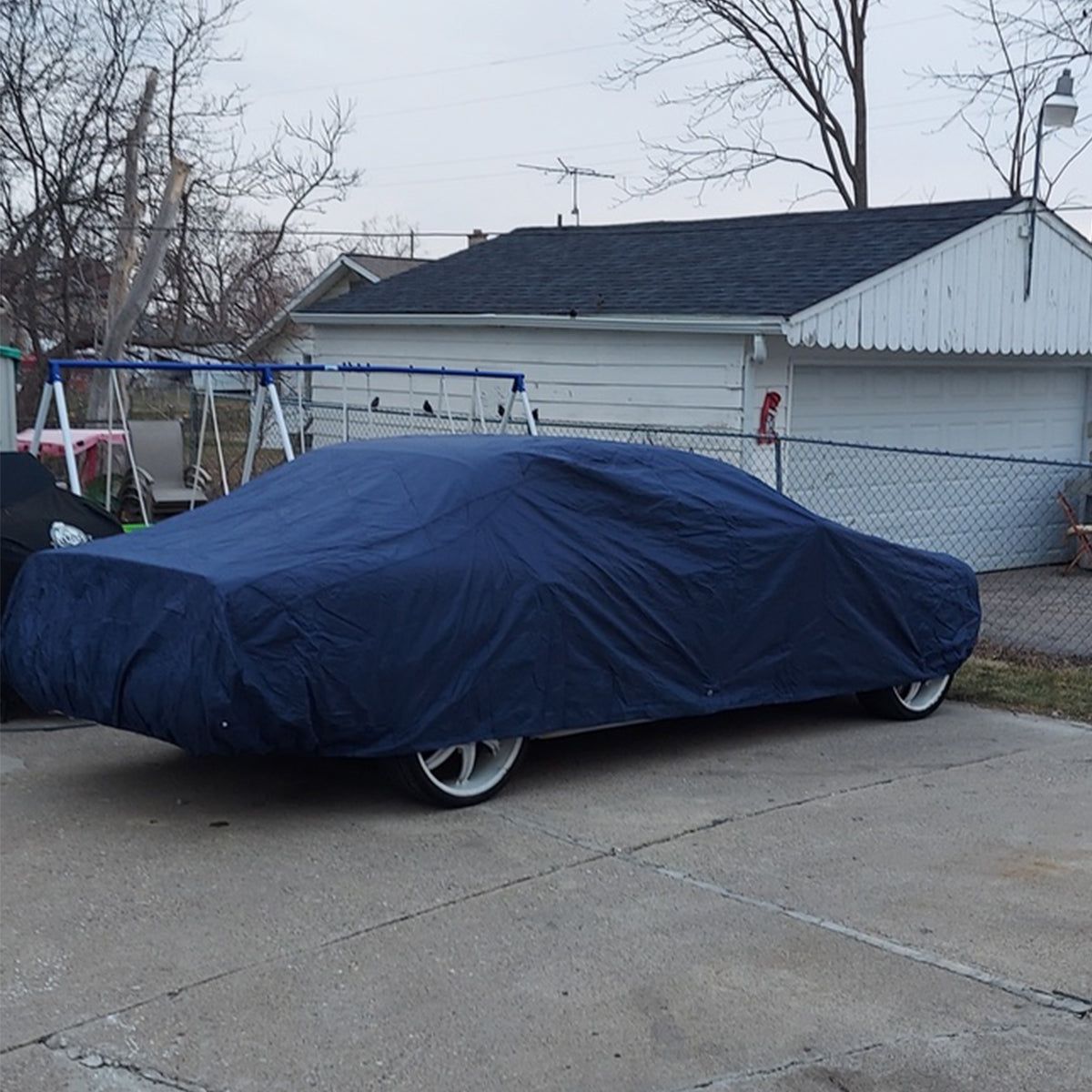
As the parent of a college student that owns a vehicle, your first priority is to provide them with everything they need to be a safe driver. Your next concern is to protect the car.
Whether your child is using the family’s second vehicle to get them through college, you bought your son or daughter a new car as a high school graduation gift to carry them through their university years, or they bought a second-hand vehicle with their hard-earned cash from working summer jobs, protecting that vehicle’s exterior is important.
An outdoor car cover for college students can help protect the vehicle from UV rays, rain, snow, dust, and environmental debris while it sits in uncovered campus parking. If you are sending your son or daughter away to college with a car, protecting that vehicle is an important part of helping it remain in good condition throughout their education.
The Reality of Car Ownership on Campus and the Need for Outdoor Car Covers
Parking on campus and at the dorms comes with a number of challenges that play into exposure concerns.
According to a research paper published by Elsevier titled, Parking at the UC Campus: Problems and Solutions by Eduardo Barata, campus parking spaces are in high demand due to availability issues and a lack of space to expand lot sizes. As a result, some universities have lottery systems for parking spots, and others award them on the basis of seniority. Then there are parking spaces that are highly coveted such as parking in the shade, which is an added luxury.
Students park in dormitory lots, university parking lots, and sorority / fraternity house parking lots and more than 95% of these spaces are in direct sunlight with no coverage. Between classes and weekend activities the vehicle faces changing weather and unfamiliar parking conditions. When you are able to recognize the atmosphere of student parking lots, having a high-quality car cover is paramount to protecting the vehicle from a wide range of threats.
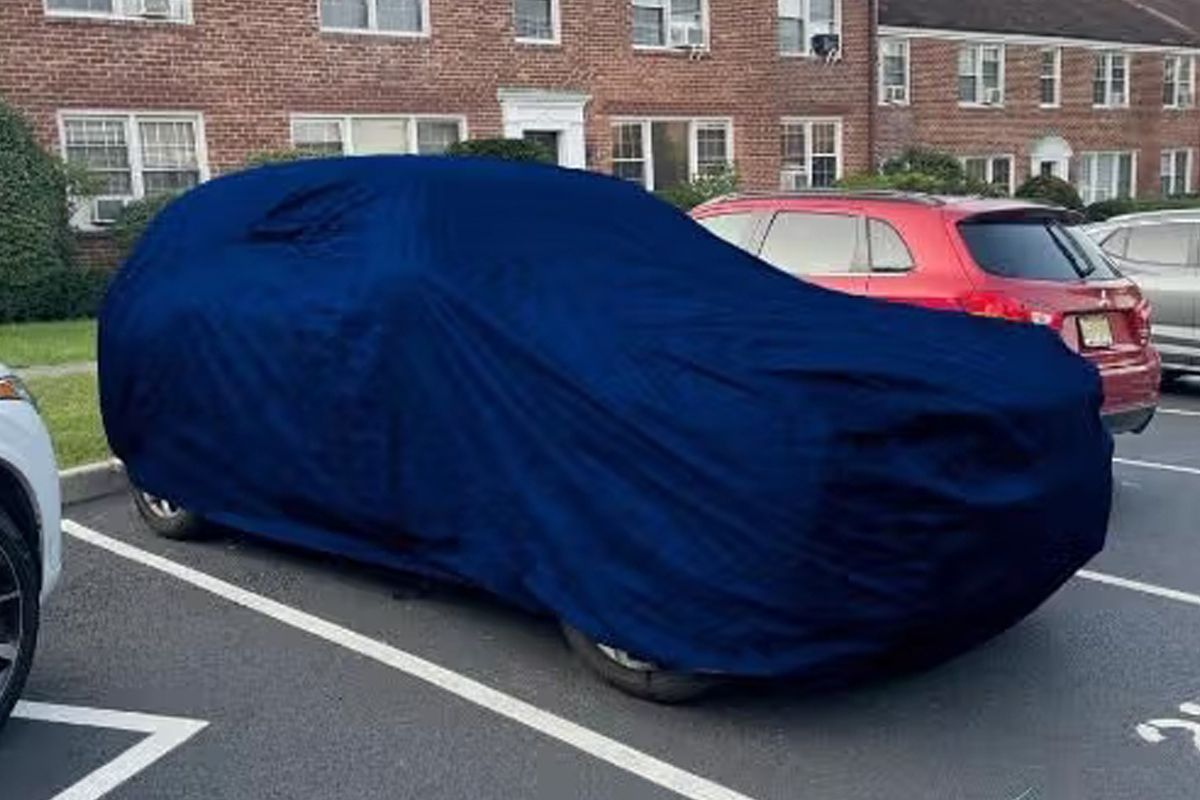
Why Is Outdoor Parking Harder on College Students’ Cars Than Parents Expect?
College students frequently encounter parking situations where their vehicles are exposed to weather and environmental contaminants for extended periods. Uncovered university lots, dormitory parking, off-campus apartments, and fraternity or sorority housing can leave cars vulnerable to sunlight, rain, tree sap, bird droppings, and accumulated debris. Here are some points for parents to consider:
1. Most College Students Cannot Count on Having a Garage
When your student lived at home, their car may have been parked in your garage or beneath a carport.
College life can change that arrangement.
University housing frequently relies on outdoor parking lots and shared parking facilities. Even where parking garages are available, access may depend on permit type, availability, and cost.
Dormitories rarely provide each resident with a private garage. Off-campus apartments may have limited covered spaces, while fraternity and sorority houses often rely on driveways, nearby lots, or street parking.
As a result, a vehicle that previously enjoyed regular shelter may spend an entire academic year exposed to the elements.
An outdoor car cover offers a way to reduce direct exposure when the vehicle is not being driven.
Before purchasing, check the school’s parking regulations. Some universities or residential properties restrict vehicle covers because permits and license plates must remain visible.
2. Campus Parking Lots Can Expose Cars to Sun Damage
Your student’s car may sit in the same parking space for days between trips.
In sunny regions, prolonged exposure to ultraviolet radiation can contribute to fading paint and deterioration of exterior trim.
Even during cooler months, sunlight continues reaching exposed surfaces.
A UV-resistant car cover creates a physical barrier between the sun and the vehicle.
For students attending college in states such as Arizona, Texas, California, Hawaii, or Florida, UV protection deserves particular attention.
3. Trees Around Campus Create Additional Hazards
College campuses often feature mature trees, landscaped courtyards, and shaded parking areas.
Although shade can reduce direct sunlight, parking beneath trees introduces other risks.
Bird droppings, tree sap, leaves, pollen, and small branches can accumulate on the vehicle.
Bird droppings and sap are especially troublesome when left on painted surfaces for extended periods.
Students may not notice contamination until several days after it appears.
A properly installed car cover can intercept many of these contaminants before they contact the vehicle’s finish.
4. Students May Leave Their Cars Parked for Several Days
Your student may walk to class, use campus transportation, or spend much of the week studying and socializing near their residence.
Their car may only be needed for weekend travel or occasional trips home.
That means it could remain in the same outdoor parking space for days at a time.
A cover may be particularly useful during these longer parking intervals.
For a student who drives multiple times every day, however, repeatedly covering and uncovering the vehicle may be less practical.
The best purchase is one that matches how your student actually uses the car.
5. Fraternity and Sorority Parking Presents Different Challenges
If your student lives in a fraternity or sorority house, vehicle parking may be especially limited.
Some houses have small private lots, while others depend on surrounding residential streets.
Cars may be parked near trees, landscaping, outdoor gathering areas, or other vehicles.
A car cover can help protect the exterior from dust, pollen, falling leaves, and other environmental contaminants.
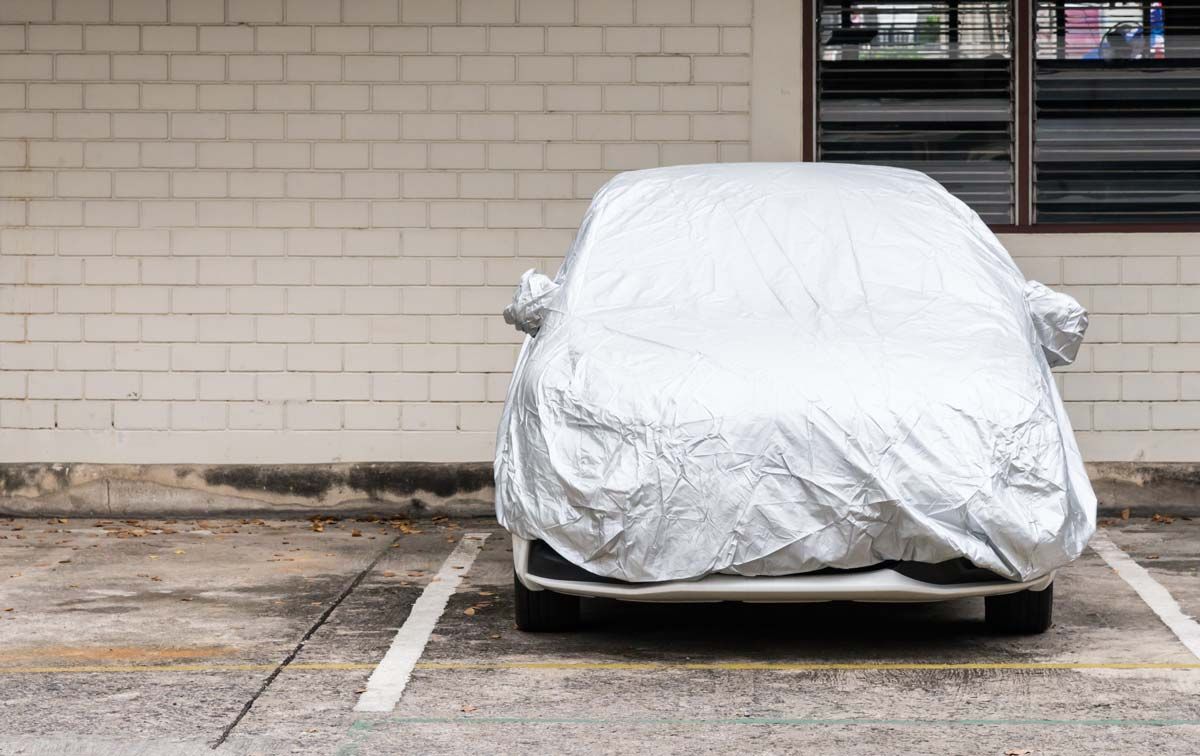
How Can an Outdoor Car Cover Protect a Student’s Vehicle During Road Trips?
Road trips are time-honored components to the college experience. Whether it’s Spring Break or an extended weekend getaway, loading up the car with friends and heading off to a destination is one of the biggest social aspects of college life. An outdoor car cover can protect a student’s parked vehicle during road trips by reducing exposure to sunlight, bird droppings, dust, rain, and other environmental contaminants at the destination. Here are some talking points for parents to consider when contemplating a car cover for their student:.
1. Road Trips Are Part of Many Students’ College Experience
For many college students, road trips are a memorable part of college life.
Your son or daughter may travel with friends during spring break, visit another university, drive to a concert, or spend a weekend exploring a nearby city.
Some students also take longer trips to national parks, beaches, mountains, or family vacation destinations.
These experiences can involve parking in unfamiliar environments.
A car that usually sits in a relatively sheltered campus lot might spend several days in direct coastal sunlight, beneath trees at a rental property, or outside in changing mountain weather.
Packing a suitable car cover gives your student an additional option for protecting the vehicle while it is parked.
2: Protecting a Car at a Beach Destination
Beach trips are popular with students who attend college near coastal areas or travel to the coast during school breaks.
Parking near the ocean can expose a vehicle to airborne salt, sand, strong sunlight, and moisture.
Salt deposits and sand can be blown onto vehicle surfaces, creating opportunities for abrasive particles to scratch the finish. A properly fitted outdoor car cover can prevent this from happening.
If your student plans to cover their vehicle during a coastal stay, they should first remove accumulated sand and salt and ensure the car is clean and dry.
A suitable outdoor cover can then help reduce further exposure while the vehicle remains parked.
3: Protecting a Car During Mountain and Ski Trips
A winter road trip can expose a vehicle to snow, freezing rain, and changing temperatures.
If your student travels to a ski resort or mountain cabin, a waterproof outdoor car cover may be useful while the vehicle is parked.
While both Seal Skin’s Supreme and Elite car covers are 100% waterproof, the Supreme is better suited to handle winter alpine conditions thanks to its SEAL-TEC fabric engineered to handle heavy snowfall and ice conditions.
4: Protecting a Car During Overnight Hotel Stays
Some students take multi-day road trips involving hotels, motels, or short-term rentals.
A car cover can reduce environmental exposure during an overnight stop if the vehicle will remain parked for an extended period.
Even for a brief overnight stay, installing a cover can protect the vehicle from environmental threats and it can help to repel unwanted attention by potential thieves.
5: A Road-Trip Car Cover Should Be Easy to Pack
College students often travel with luggage, backpacks, sports equipment, and other belongings.
A car cover should not take up excessive storage space.
Seal Skin’s Supreme weighs less than eight pounds, Elite and 5-Layer each weigh less than six pounds, and ProGuard weighs 3.3 pounds. Each car cover also comes with a convenient storage bag that compresses the cover so it takes up little space.
Just remember that ProGuard is intended primarily for indoor or covered storage and should not be selected for demanding outdoor conditions simply because it is the lightest option.
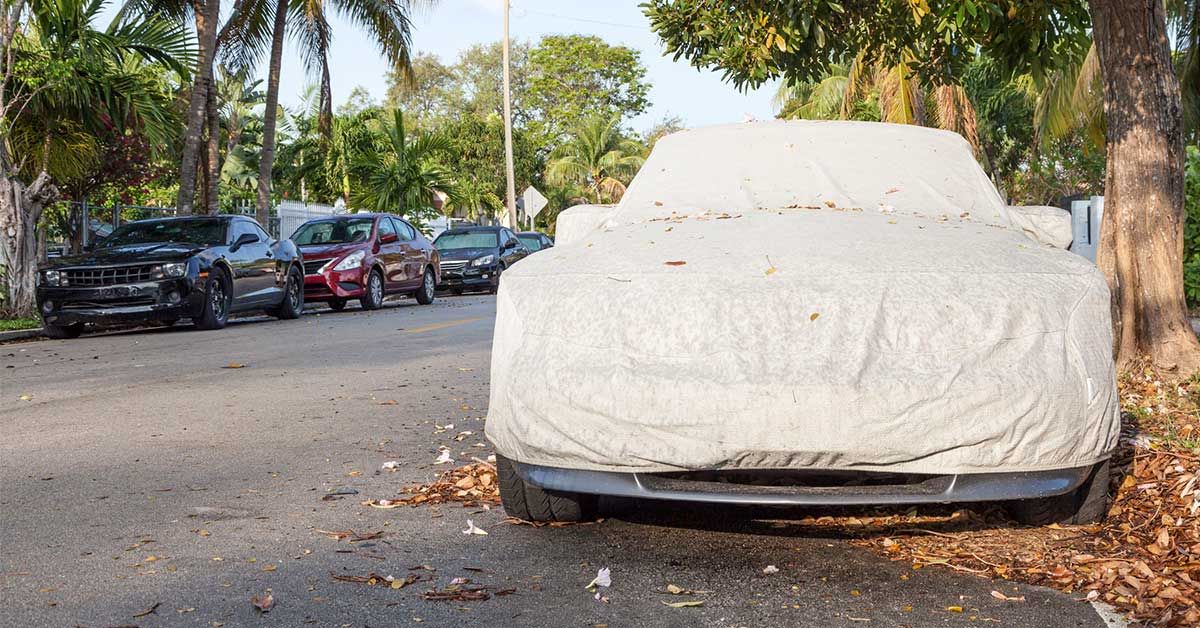
What Outdoor Car Cover Features Matter Most for College Students?
The most important outdoor car cover features for college students are appropriate weather protection, vehicle-specific fit, secure fastening, manageable weight, and easy storage. A student who parks outside year-round may need waterproof materials, while someone with covered parking may prioritize lighter construction and dust protection. Let’s review these points in greater detail:
- Waterproof Materials for Uncovered Campus Parking: If your student attends college in a rainy region, waterproofing should be a primary consideration. Rain can arrive while students are in class, studying, or away from campus. A waterproof cover helps prevent direct rainfall from reaching the vehicle’s paint. Seal Skin’s Supreme and Elite are intended for heavy rainy weather protection thanks to waterproof, breathable construction. The 5-Layer cover is water-resistant rather than fully waterproof. That difference matters when choosing protection for frequent rain.
- A Soft Inner Lining for Paint Protection: Parents may be particularly concerned about scratches when their student installs or removes a cover. A soft paint-facing lining can help reduce friction against the vehicle’s finish. Seal Skin’s Supreme and Elite covers feature soft, fleece inner linings.
- Secure Fastening for Windy Parking Areas: Large campus parking lots may be exposed to wind. A loose car cover can shift, flap, and rub against the vehicle. Properly secured straps and hems help reduce movement. Seal Skin car covers come with anti-gust wind straps and reinforced grommets that can accommodate locking cables.
- Vehicle-Specific Fit Instead of Excess Loose Fabric: A car cover should fit the vehicle’s overall dimensions and body shape based on its make, model and year. Seal Skin covers are predicated on patterns derived from vehicle-matched fits. With other covers excessively loose fabric may move more in the wind, while a cover that is too small can place tension on mirrors or other exterior components and spring out of place leaving the car exposed. When shopping for your student, confirm the year, make, model, and relevant exterior accessories.
- Portability for Semester Breaks and Road Trips: Students may move between dormitories, apartments, and family homes throughout the year. They also love to go on weekend adventures and extem=nded trips for Spring and Winter Break. A car cover that folds up can be easier to transport and store.

Which Seal Skin Car Cover Is Best for Your College Student?
The right Seal Skin car cover depends on the student’s climate, parking situation, and frequency of use. Supreme and Elite are designed for substantial outdoor exposure, 5-Layer suits more moderate conditions, and ProGuard is intended primarily for indoor or covered storage. Parents should prioritize protection over simply choosing the lightest model. Here’s a comparison chart to help you make an informed decision:
| Cover | Material and protection | Fit | Weight | Warranty | Best student use |
|---|---|---|---|---|---|
| Supreme | Waterproof, breathable construction with fleece lining | Vehicle-specific fit | Less than 8 lb | Lifetime | Year-round outdoor campus parking and demanding weather |
| Elite | Waterproof, breathable construction with fleece lining | Vehicle-specific sizing | Less than 6 lb | 10 years | Regular outdoor parking in rainy or mixed climates |
| 5-Layer | Water-resistant multilayer construction | Vehicle-specific sizing | Less than 6 lb | 5 years | Moderate weather and mixed parking environments |
| ProGuard | Lightweight, breathable fabric | Vehicle-specific sizing | 3.3 lb | 2 years | Covered parking, garages, and dust protection |
Supreme Car Cover for Students Who Park Outdoors All Year
Supreme is the strongest choice in the Seal Skin car cover lineup for students whose vehicles face demanding outdoor conditions.
If your student attends college in a region with frequent rain, snow, strong sunlight, or seasonal storms, Supreme provides the highest level of protection among these four tiers.
Its soft inner lining and securement features are intended to help protect the finish when used correctly.
For a family planning to keep the same vehicle throughout college and beyond, Supreme may be worth considering.
Elite Car Cover for Everyday Outdoor Campus Parking
Elite is a practical option for students who regularly park outside and need waterproof protection.
Weighing less than six pounds, it may also appeal to students who want a cover that is more manageable to fold and store.
Elite offers a balance between substantial weather protection and portability.
For many parents, it is worth comparing directly with Supreme before purchasing.
5-Layer Car Cover for Students in Moderate Climates
The 5-Layer car cover is suited to moderate weather and mixed indoor or outdoor storage.
Its water-resistant construction can help protect against light precipitation and common environmental contaminants.
However, it is not equivalent to a waterproof car cover such as the Supreme or Elite.
If your student attends college in a region with frequent heavy rain, choose a cover designed for those conditions.
ProGuard for Students With Covered Parking
ProGuard weighs 3.3 pounds and is the lightest option.
It is appropriate for students who park in garages or other sheltered locations and want protection against dust and light contamination.
It is not the recommended choice for a car left outdoors.
If your student has an assigned covered space, however, ProGuard may be sufficient for their needs.
How Can Parents Protect the Value of a College Student’s Car?
Parents can help preserve a student’s vehicle value by encouraging regular maintenance, safe parking habits, proper cleaning, and protection against environmental exposure. A suitable car cover can reduce direct contact with sunlight and contaminants, supporting exterior condition during the years the vehicle is used for school.
In many cases, a student’s car may need to last beyond graduation. Some families purchase a vehicle before or during college with the expectation that it will remain useful for several years as the student is in graduate school or starting life in his or her career.
Maintaining the vehicle’s appearance can help protect an asset that may eventually be sold, traded in, or passed to a younger sibling.
A car cover cannot prevent mechanical problems or guarantee a higher resale value. However, reducing unnecessary exterior deterioration is a reasonable part of long-term vehicle care.

Avoidable Paint Damage Can Become Expensive, Outdoor Car Covers Help to Protect Paint
Bird droppings, tree sap, sunlight, and other contaminants can affect automotive finishes. If damage becomes severe, professional correction or refinishing may be necessary.
According to AAA, the average cost of a mid-range paint job is $1000 to $4500. For less than $200 a Seal Skin Supreme car cover can help to prevent unnecessary expenses like a new paint job.
For families already managing tuition, housing, books, insurance, and living expenses, unexpected cosmetic repairs can be financially devastating.
A properly fitted car cover can help reduce direct exposure to some of the conditions associated with paint damage.
Teach Your Student a Simple Vehicle Protection Routine Using a Car Cover
A car cover works best when used correctly. Encourage your student to follow a straightforward routine:
- Check that the parking location allows vehicle covers.
- Clean and dry the car before installation.
- Check that the hem is in the right position
- Place the cover carefully without dragging it across the paint.
- Secure the straps or fastening system according to the instructions.
- Dry the cover thoroughly before extended storage.
This routine is especially useful before semester breaks, longer trips home, or other periods when the vehicle will remain parked.
Help Protect Your Student’s Car Throughout College, Shop Your Seal Skin Car Cover Today
Your student’s car provides the freedom to travel between home and campus, attend activities, visit friends, and explore new places. Protecting it from unnecessary exterior wear can help preserve an important family investment throughout those years.
Whether your student parks in a dorm lot, outside a fraternity or sorority house, or at a road-trip destination, Seal Skin offers different levels of vehicle protection. Explore Seal Skin outdoor car covers and select the cover that matches your student’s vehicle, climate, and parking routine.
Frequently Asked Questions About Outdoor Car Covers for College Students
Parents purchasing an outdoor car cover for a college student should consider the vehicle’s fit, the student’s parking permit, storage space, and the conditions it will face during the school year. These practical questions can help families avoid buying a cover that is unsuitable or inconvenient.
Can my student use a car cover in a university parking lot?
Usually, the answer is yes. The student should check the university’s parking regulations before installing one. Some institutions require permits and license plates to remain visible or prohibit vehicle covers entirely. A cover that conceals identification could lead to parking enforcement problems even when the vehicle is legally parked. In most cases where a visible plate and parking permit are required, these can be slid into weatherproof sleeves and affixed to the car cover.
Is a car cover a good gift for a college student?
A car cover can be a useful gift if your student has uncovered parking and is willing to use it properly. Before purchasing, confirm the vehicle’s fitment and the school’s parking rules. It is also worth asking whether your student has a convenient place to store the cover between uses.
Which car cover should I buy for a student attending college in a rainy state?
A waterproof cover such as Seal Skin Supreme or Elite is generally more appropriate for frequent outdoor rain than a water-resistant or indoor-focused option. Choose based on the local climate, vehicle size, and frequency of use. The cover should also be breathable and installed only over a clean, dry vehicle.
Can a student leave a cover on their car during winter break?
A suitable outdoor car cover may be used during an extended parking period such as winter break if the location permits it and the vehicle is properly prepared. Seal Skin’s Supreme and Elite car covers offer year-round protection, including snow and ice conditions.
How can my student prevent someone from stealing their car cover?
A compatible locking cable used through the cover’s reinforced grommets can help discourage opportunistic cover theft. The student should also park in a well-lit, permitted location.
Can my student put a car cover on immediately after a long drive?
No, not immediately. Long drives almost always coincide with dead bugs smashed onto the vehicle, road grit, mud and dirt. Your student should hose off the car and wipe it dry before installing the car cover. Otherwise the grit can get clogged in the fleece layer and potentially scratch the paint if the wind straps aren’t secure..
What if my student has an aftermarket spoiler or roof rack?
Exterior modifications can affect how a cover fits. Confirm the exact vehicle configuration and contact Seal Skin about compatibility before ordering. A cover that stretches tightly over a spoiler or roof rack may create tension or fit problems, while excessive loose material may move in the wind.
Should I buy a waterproof cover for a student who parks in a garage?
Not necessarily. If the vehicle remains in a fully enclosed garage, a lighter indoor-focused cover like the ProGuard may provide adequate dust protection. Waterproof outdoor construction becomes more important when the car regularly faces rain or snow. Choose the cover according to actual exposure rather than purchasing the highest protection level automatically.
Is a custom car cover better than a universal car cover?
A vehicle-specific cover, also commonly referred to as a custom car cover, generally provides a snug fit than a universal cover designed for a wide range of vehicles. Better fit can reduce excess fabric movement and make it easier to position the cover around mirrors and other exterior features.
Find the Right Cover for Your Exact Car
Guaranteed fit, free shipping, 30-day returns and protection for every parking situation.