

Industrial Equipment Covers: Types, Materials, and Use Cases
By John Funk, June 29, 2026

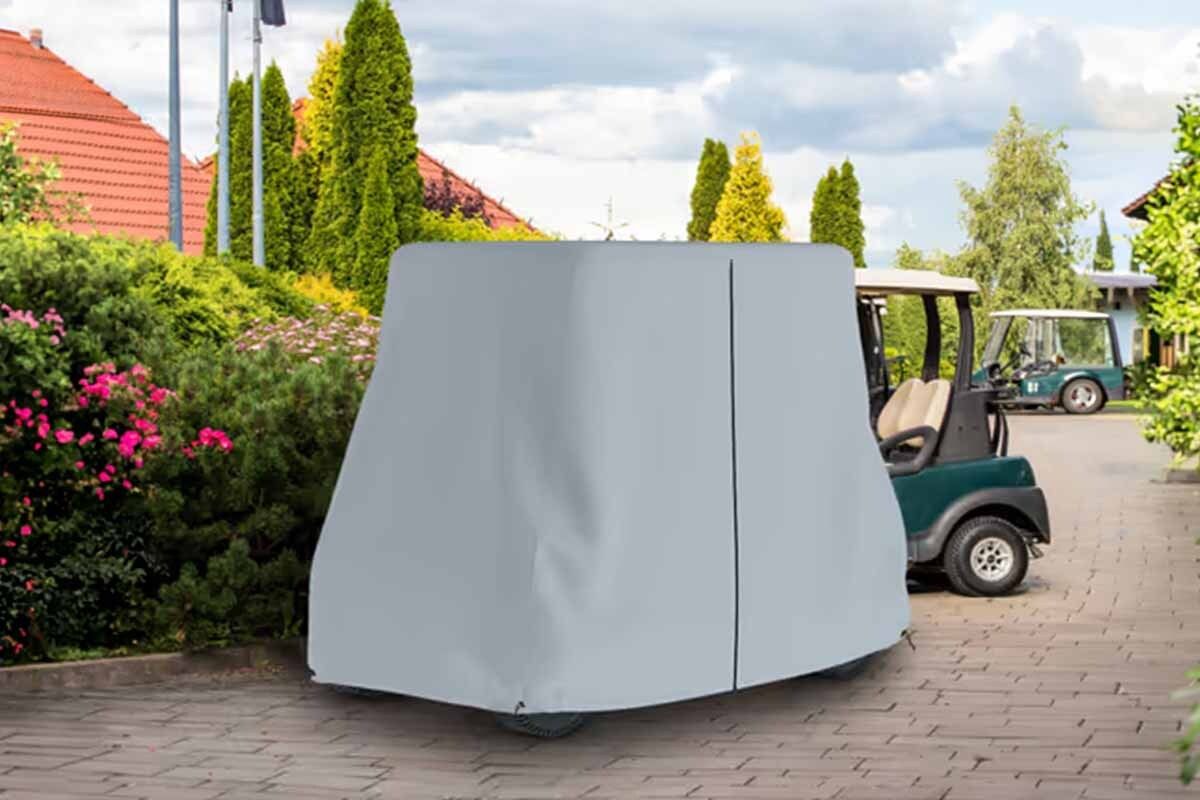
Industrial equipment is built for demanding performance, but continuous exposure to weather, UV rays, dust, and moisture gradually leads to wear and damage. Whether machinery is left outdoors between operations, stored during off-seasons, or used in environments that require constant protection, an industrial equipment cover is a highly cost-effective solution to extend service life and reduce maintenance expenses.
Understanding how industrial equipment covers differ in design, materials, and performance makes it easier to choose a solution that delivers reliable, long-term protection.
What Are Industrial Equipment Covers?
Industrial equipment covers for outdoor use are purpose-built protective enclosures designed to shield machinery, appliances, and outdoor equipment from environmental damage and contamination. They differ from standard covers because they're made with heavier materials, reinforced seams, and hardware designed for demanding conditions.
Industrial covers are used across manufacturing, construction, agriculture, hospitality, HVAC, and logistics, wherever equipment sits idle, stores outdoors, or operates in environments that accelerate wear.
The core function is protection. A quality industrial cover keeps moisture out, blocks UV degradation, controls dust ingress, and slows the corrosion process on metal components. Over time, that level of protection helps reduce repair costs, minimize unexpected breakdowns, and extend the equipment's service life.
“Ryan Williams, Product Expert at Seal Skin Covers, notes that the biggest mistake most buyers make is treating industrial covers as a generic accessory rather than a precision-fit protective system designed around the equipment’s actual operating environment.”
Types of Industrial Equipment Covers
Industrial equipment covers are designed to protect a wide range of machinery, appliances, and tools across different operating environments, with each category tailored to specific use cases and protection needs.
Machinery Covers
Designed for demanding industrial environments, industrial machine covers safeguard production equipment such as CNC machines, presses, generators, compressors, conveyors, and other heavy-duty systems. These covers typically need to accommodate irregular shapes, protruding components, and larger footprints.
Custom machine covers are the standard choice here, as off-the-shelf options rarely fit production machinery with the precision needed to deliver reliable protection.
Heavy equipment covers in this category are built with reinforced fabric and robust attachment systems to stay in place under challenging conditions.
Appliance Covers
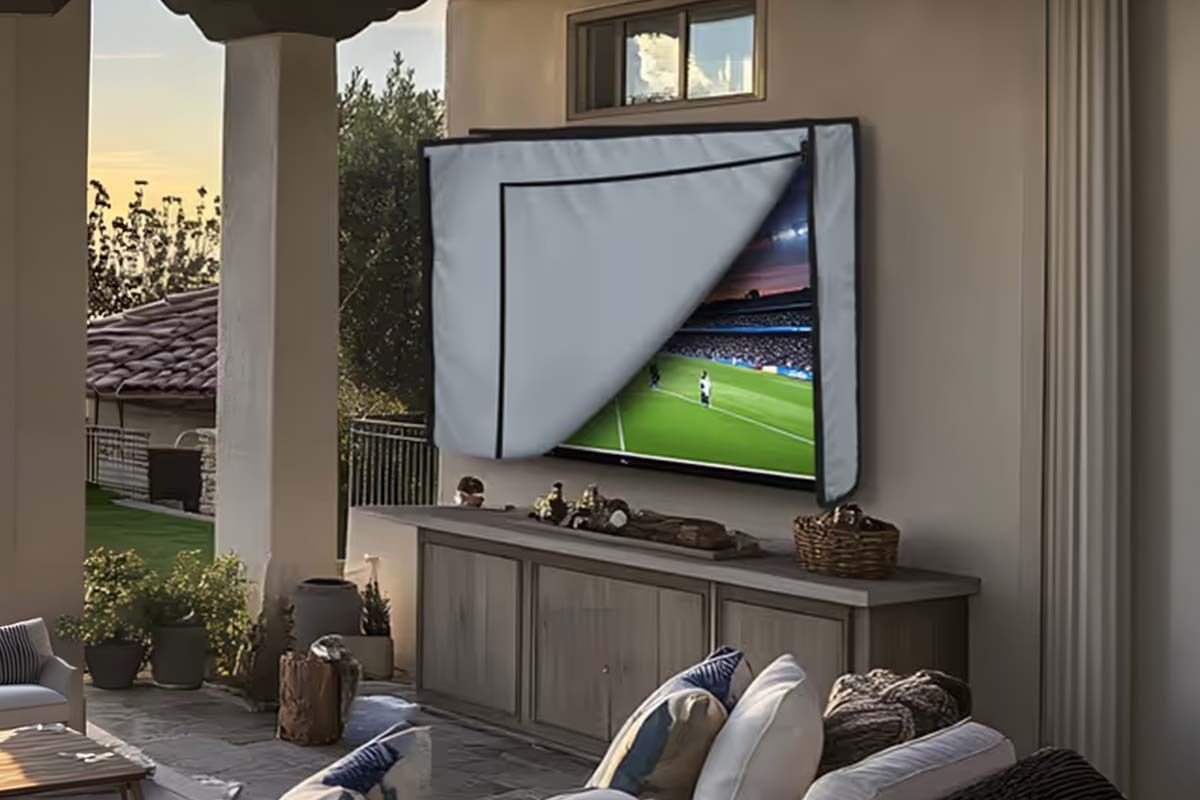
Outdoor appliance covers protect commercial and industrial appliances used in hospitality, food service, and facility management settings, including outdoor kitchen equipment, commercial grills, patio heaters, refrigeration units, and similar equipment.
These covers handle the combined demands of frequent use, UV exposure, and weather cycling. Outdoor appliance covers need to be both durable and easy to remove and refit repeatedly without degrading at the edges or attachment points.
Equipment Covers
General equipment covers are designed for a wide variety of applications, including outdoor power equipment, vehicles, tools, HVAC units, and worksite machinery that requires protection between uses or while in storage.
HVAC covers and HVAC unit covers fall into this category, protecting outdoor condensers and air handling units from debris, ice, and UV exposure during off-season periods. Outdoor equipment covers in this range are typically available in standard sizes, though custom options are recommended for non-standard dimensions.
Custom Covers
Custom equipment covers are made to the exact dimensions and configuration of a specific piece of equipment. For irregularly shaped machinery, equipment with protruding components, or high-value assets where a poor fit creates gaps and failure points, custom industrial covers are the right choice.
A custom cover removes the compromises of a universal fit by conforming closely to the equipment, staying securely positioned, and delivering complete, reliable protection.
“Ryan Williams adds that selecting the correct cover type should always begin with how the equipment is used day-to-day, not just its physical dimensions, because operational exposure is what ultimately determines wear patterns.”
Common Materials Used in Industrial Equipment Covers
Material selection is one of the most important decisions in choosing an industrial cover. The ideal material is determined by the equipment's operating environment, how frequently the cover will be used, and whether it's intended for indoor or outdoor protection.
Seal-Tec Fabric
Seal-Tec Fabric (Patent Pending) is Seal Skin's proprietary cover material, engineered for demanding outdoor and industrial environments.
It combines high tensile strength with weather resistance and breathability, blocking moisture ingress while allowing trapped condensation to escape. This balance is critical for equipment stored outdoors, where a fully sealed cover can trap humidity and accelerate the corrosion it's supposed to prevent. Seal-Tec fabric is built for long-term outdoor use and repeated cycling between deployment and storage.
Double-Sided PVC
It delivers heavy-duty waterproof protection for environments where moisture exposure is constant or severe.
PVC covers are impermeable, highly tear-resistant, and hold up well in industrial settings with chemical exposure, heavy rain, or standing water risk.
This material suits applications where maximum waterproof performance takes priority over breathability, usually in storage scenarios where the equipment won't be running and ventilation is managed separately.
100% Polyester Fabric
It provides a durable, lightweight option suited to indoor storage and moderate outdoor conditions. Polyester covers resist abrasion and UV degradation, making them a practical choice for equipment stored in covered but exposed areas such as loading docks, warehouses with open bays, or outdoor storage facilities with overhead cover. Polyester is also the most common base material for custom covers where the finished product needs to balance durability with ease of handling.
“Ryan Williams explains that material selection should always be driven by moisture behavior, whether water is actively hitting the equipment or humidity is building underneath, because that distinction determines long-term corrosion risk more than rainfall alone.”
Use Cases for Industrial Equipment Covers
Industrial covers serve a wide range of environments and industries. Common applications include:
- Manufacturing facilities: Covering CNC machinery, presses, and production equipment during shutdowns, shift changes, or extended storage periods to prevent dust contamination and moisture ingress.
- Construction sites: Protecting generators, compressors, and powered equipment left on-site overnight or during periods of bad weather.
- Agriculture: Covering tractors, irrigation equipment, and seasonal machinery during the off-season to prevent rust, UV damage, and pest ingress.
- Hospitality and food service: Outdoor kitchen equipment, commercial grills, and refrigeration units that sit exposed between service periods.
- HVAC and facilities management: Outdoor condenser units, air handlers, and rooftop equipment protected during off-season months or major service intervals.
- Logistics and warehousing: Covering forklifts, pallet equipment, and loading dock machinery during non-operational hours or extended storage.
Key Benefits of Industrial Equipment Covers
Industrial equipment covers for harsh environments provide a practical and cost-effective way to safeguard machinery and assets from environmental exposure, operational wear, and long-term degradation across diverse industrial settings.
Weather Protection
Waterproof equipment covers and weatherproof covers for industrial equipment block rain, snow, ice, and wind-driven debris from reaching vulnerable components.
For equipment stored outdoors year-round, consistent weather protection reduces the frequency of weather-related repairs and extends the intervals between major service events.
UV Damage Prevention
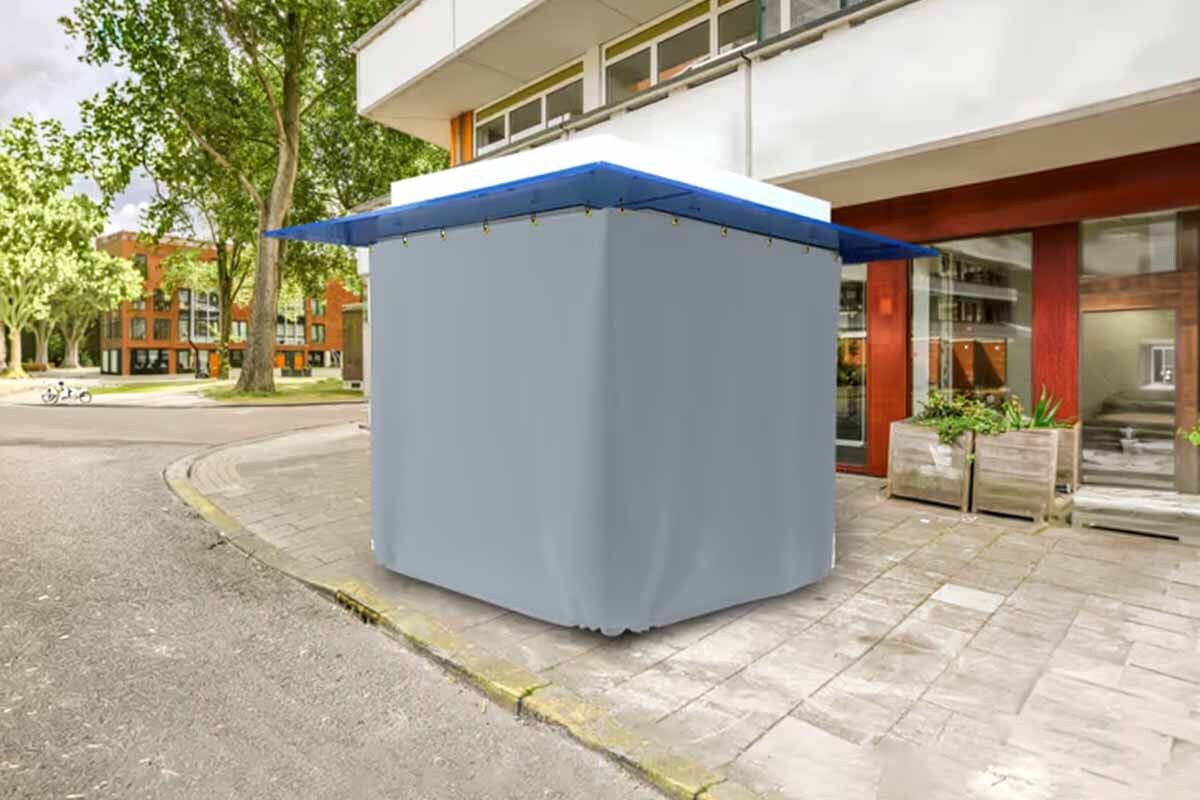
UV-resistant industrial equipment covers slow the degradation of rubber seals, plastic components, painted surfaces, and exposed wiring caused by prolonged sun exposure. UV damage builds up over time and often goes unnoticed until components begin to fail. A quality cover helps prevent that gradual deterioration.
Dust and Debris Control
In manufacturing, agricultural, and construction environments, airborne dust and debris are a persistent contamination risk.
Industrial machine covers and machinery covers keep particulates out of motors, control panels, hydraulic systems, and moving parts during idle periods, reducing the cleaning and maintenance burden between uses.
Corrosion Prevention
Moisture is the main factor behind rust and corrosion on exposed metal equipment. A waterproof industrial machine cover that also manages condensation, such as a breathable Seal-Tec cover, reduces the moisture contact that initiates rust and oxidation on ferrous components, fasteners, and exposed metal surfaces.
Reduced Maintenance Costs
Equipment that's consistently protected between uses requires less frequent cleaning, fewer unplanned repairs, and longer intervals between scheduled maintenance. The cost of a quality industrial equipment cover is recovered quickly when measured against the labour and parts costs associated with weather and contamination damage.
Extended Equipment Lifespan
Taken together, protection from weather, UV, dust, and corrosion adds meaningful years to the working life of industrial equipment. For high-value machinery, the return on a well-fitted industrial cover is simple. It costs far less than early replacement or major refurbishment.
How to Choose the Right Industrial Equipment Cover
Choosing the right industrial equipment cover involves assessing environmental exposure, material performance, equipment dimensions, and usage requirements to ensure the best balance of protection, fit, and long-term durability.
Consider Environmental Conditions
Start with where the equipment lives and what it's exposed to. Outdoor equipment in a high-rainfall region needs heavy-duty waterproof protection. Equipment in sunny climates requires strong UV resistance. Likewise, industrial covers used in harsh environments, such as extreme cold, chemical exposure, or coastal salt air, should be made from materials and hardware designed for those conditions.
Select the Appropriate Material
Match the material to the conditions identified above. Seal-Tec fabric suits most outdoor industrial applications where breathability and waterproofing both matter. Double-sided PVC suits applications where maximum water impermeability is the priority. Polyester suits indoor storage and moderate outdoor conditions.
Match the material to your protection needs rather than opting for the heaviest option available. A heavier cover than needed adds cost and weight without adding protection.
Measure Equipment Correctly
Accurate measurements prevent poor fit and the protection gaps that come with it. A well-fitting cover starts with accurate measurements of the equipment's overall size, including any external features that increase its dimensions.
For custom covers, provide these measurements to the supplier before ordering. For standard covers, add two to three inches to each dimension when comparing against published cover sizes.
Determine Indoor vs Outdoor Usage
Indoor industrial covers prioritize dust control and surface protection over heavy weatherproofing. Outdoor covers need waterproofing, UV resistance, and hardware that won't corrode. Some applications need both: a cover that handles outdoor storage but is also clean enough to use during indoor maintenance periods.
Evaluate Customization Requirements
If the equipment has an unusual footprint, irregular shape, or high-value components that make a poor fit unacceptable, custom equipment covers are the right route.
Standard covers suit common equipment profiles; custom covers suit everything else and deliver a level of fit and protection that standard options can't match.
Maintenance Tips for Industrial Equipment Covers
A quality cover lasts longer with routine care.
- Cleaning recommendations: Rinse covers regularly with clean water to remove surface dust and debris. For deeper cleaning, use a mild soap solution and a soft brush. Avoid pressure washers on seamed areas and harsh chemicals that can degrade waterproof coatings. Let the cover dry completely before folding and storing it.
- Inspection schedule: Check covers at the start and end of each storage season, and after any severe weather event. Look for fraying seams, worn attachment points, small tears, and areas where the waterproof coating has thinned or cracked.
- Proper storage practices: Store covers clean and dry in a cool location away from direct sunlight and sharp edges. A storage bag keeps the cover protected and makes deployment faster at the start of each use period.
- Repair vs replacement: Small tears and worn seams can often be repaired with a compatible patch kit or seam sealer, extending the cover's useful life. Covers with widespread coating failure, major tears, or compromised attachment systems should be replaced rather than repaired. A failing cover provides false assurance rather than real protection.
Why Seal Skin Custom Industrial Equipment Covers Are Worth the Investment
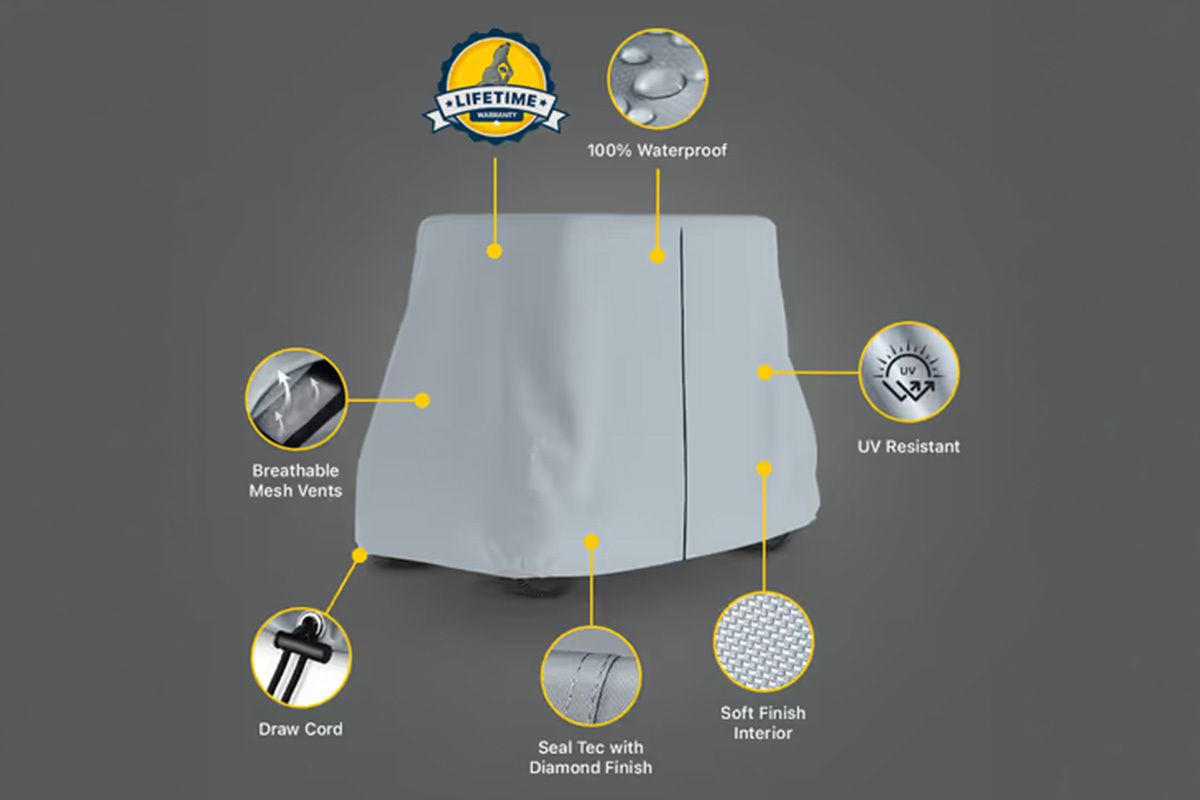
Off-the-shelf covers work for standard equipment profiles. For everything else, and for operations where equipment protection is a serious priority, Seal Skin's industrial equipment covers deliver measurably better results.
- Better fit: Every cover is made to the exact dimensions of the equipment it protects. No gaps, no bunching, no exposed areas that defeat the purpose of covering the equipment in the first place.
- Improved protection: A cover that fits correctly protects correctly. Seal-Tec fabric and double-sided PVC options ensure the right material is matched to the right application, with no compromises driven by an off-the-shelf size range.
- Longer service life: Guaranteed fit covers made from quality materials last longer than generic alternatives because they don't experience the stress points and wear patterns that come from a poor fit.
- Cost savings: The upfront investment in a Seal Skin cover is recovered through reduced equipment maintenance costs, fewer weather-related repairs, and extended intervals between major service events. Over the life of a piece of industrial equipment, that return is substantial.
Our products are not just reasonably priced, but we will also ship your order right to your doorstep at no additional cost, without any delay. We offer:
- A 10-year warranty
- A 30-day money-back guarantee
- Coverage for manufacturing defects
You can call us at 800-915-0038 during our office hours (Monday to Friday from 9:00 AM to 5:00 PM EST), and we will help you find the right industrial equipment cover that fits your needs and budget. We will also help you if you have any questions about our products, shipping policies, and exchange/refund policies.
Frequently Asked Questions
What are industrial equipment covers used for?
Industrial equipment storage covers protect machinery, appliances, and outdoor equipment from weather, UV exposure, dust, debris, and corrosion.
These covers are commonly used across manufacturing, construction, agriculture, hospitality, and HVAC industries to improve equipment longevity and lower maintenance requirements.
What is the best material for industrial equipment covers?
The best material depends on the application. Seal-Tec fabric suits most outdoor industrial use cases where breathability and waterproofing both matter. Double-sided PVC suits applications requiring maximum water impermeability. 100% polyester is a durable, lightweight option for indoor storage and moderate outdoor conditions.
Are industrial equipment covers waterproof?
Most industrial covers are waterproof or highly water-resistant. Double-sided PVC covers are fully waterproof. Seal-Tec covers are waterproof and breathable, which prevents moisture from being trapped underneath. This is a key consideration for metal equipment stored outdoors.
How long do industrial equipment covers last?
With proper care and routine maintenance, a quality industrial cover typically delivers a service life of three to seven years, depending on environmental conditions and material choice.
Regular cleaning, proper drying before storage, and periodic inspection all extend the cover's lifespan significantly.
Can industrial equipment covers be customized?
Yes. Custom covers are recommended for irregularly shaped equipment, high-value assets, or any application where a standard size doesn't deliver adequate coverage.
Do equipment covers protect against UV damage?
Quality outdoor industrial covers include UV-resistant materials that slow the degradation of rubber seals, painted surfaces, plastic components, and exposed wiring. UV protection is a standard feature in outdoor-rated industrial covers.
How do I measure equipment for a custom cover?
Measure the equipment at its highest, widest, and deepest points, making sure to include any protruding features such as handles, control panels, exhaust ports, and mounting hardware. Provide these measurements to the supplier when ordering a custom cover to ensure a correct fit.
Are industrial machine covers suitable for outdoor storage?
Yes, when made from outdoor-rated materials such as Seal-Tec fabric or double-sided PVC. Outdoor industrial covers are built to handle sustained weather exposure, UV cycling, and temperature variation without degrading prematurely.
How often should industrial equipment covers be replaced?
Inspect covers at least twice a year and replace when seams fray significantly, the waterproof coating fails across large areas, or attachment points can no longer hold the cover securely. A cover that no longer fits or seals correctly should be replaced promptly.
What industries benefit most from industrial equipment covers
Manufacturing, construction, agriculture, hospitality and food service, HVAC and facilities management, and logistics all benefit significantly from industrial covers.
Any industry where equipment sits idle between uses, stores outdoors, or operates in harsh conditions has a strong case for consistent cover use.