



How to Wash a Car Cover: Cleaning, Drying & Maintenance Tips
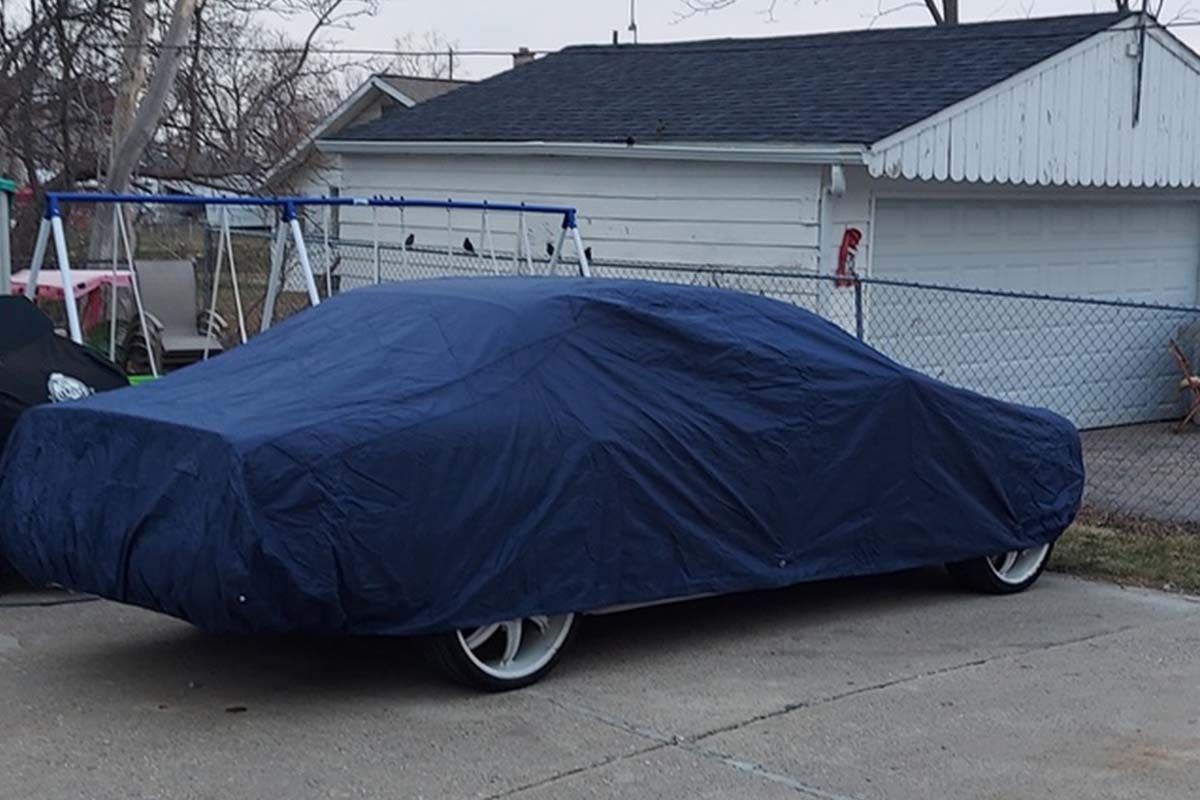
Many car covers can be washed, but the safest cleaning method depends on the cover's material and the manufacturer's care instructions. Check the care label first, then choose the approved hand-washing or machine-washing method. A mild, suitable detergent can be used for cleaning, followed by a thorough rinse and complete drying before the cover is stored or reused. Avoid harsh chemicals, aggressive scrubbing, and unapproved heat that could damage the fabric or protective coatings.
Key Takeaways
- Check the manufacturer's care instructions before washing, as materials, linings, and coatings can require different care.
- Machine-wash a car cover only when the manufacturer permits it and the washer can accommodate its size.
- Use a suitable mild detergent and avoid unapproved chemicals, additives, or cleaning treatments.
- Soften stubborn stains before cleaning instead of scraping or scrubbing them aggressively.
- Dry the cover thoroughly before folding, storing, or placing it back on your vehicle.
A car cover picks up dust, pollen, leaves, bird droppings, and other debris during regular use, especially when it stays outdoors. Cleaning it helps remove this buildup, but the right approach depends on the cover's material and construction.
How dirty the cover is can determine how much cleaning it needs. A cover with light surface dust may only need a thorough rinse, while one exposed to heavier outdoor debris may require more careful cleaning.
Can You Wash a Car Cover?
Yes, many car covers can be cleaned, but the right washing method varies based on the cover's material, construction, and manufacturer instructions. Cleaning the cover regularly helps remove dust, pollen, bird droppings, tree residue, and other debris from outdoor exposure.
Outdoor car covers are particularly likely to collect dirt and debris. If a heavily soiled cover is placed back on a vehicle, trapped grit can rub against the paint as the cover shifts. Cleaning the cover before reuse helps reduce this risk.
However, the cleaning method can vary from one car cover to another. Some are designed for hand washing, while others may allow machine washing. The manufacturer's instructions should always take precedence over general cleaning advice.
What Should You Check Before Washing a Car Cover?
Before getting started, review the care label or product documentation. Pay attention to the following details:
- Material and lining: Different fabrics and multilayer constructions may require different cleaning methods.
- Water-resistant coatings: Certain cleaning products or treatments may affect the cover's protective properties.
- Water temperature: Follow the specified temperature rather than assuming hot or cold water is suitable.
- Washing-machine instructions: Check whether machine washing is allowed and whether there are restrictions on washer type or cycle.
- Drying instructions: Confirm whether air drying is required or machine drying is permitted.
- Prohibited products: Review the manufacturer's guidelines for restrictions on detergents, bleach, solvents, fabric softeners, and other additives.
| Situation | What to Do |
|---|---|
| Washing is permitted | Follow the approved hand-washing or machine-washing method. |
| Washing instructions are unclear | Contact the manufacturer before using a washer or chemical cleaner. |
| Washing is prohibited | Use only the cleaning method recommended by the manufacturer. |
How to Wash a Car Cover
For the safest results, always follow the manufacturer's care instructions for your specific car cover. Once you've confirmed the approved cleaning method, prepare the cover and cleaning supplies before starting.
Step 1: Remove Loose Dirt and Debris
Begin by clearing the cover of leaves, dust, loose dirt, pollen, twigs, and other surface debris. Shake it gently or brush away loose material without grinding it into the fabric.
Avoid aggressively dry-scrubbing abrasive dirt. Rubbing grit into the material can cause unnecessary wear and may make cleaning more difficult.
Step 2: Select the Best Way to Clean the Cover
The best cleaning method depends on the cover's care instructions, size, and construction.
- Hand wash: Choose this method when the manufacturer recommends it or when machine washing is not suitable.
- Machine wash: Use this method only when the cover is explicitly machine-washable and you have access to a washer large enough to accommodate it without overloading.
When the appropriate method is unclear, check with the manufacturer before cleaning the cover.
How to Wash a Car Cover by Hand
Hand washing can be a practical option for covers that are too large for a household washer or require gentler cleaning. It also allows you to focus on areas with visible dirt or stains.
What You'll Need
- A suitable mild detergent approved for the cover
- Water
- A garden hose or another gentle rinsing option
- A soft sponge or non-abrasive cloth
- A clean area for drying
Hand-Washing Instructions for Your Car Cover
- Remove loose debris: Shake off leaves, dust, and loose dirt. Lay the cover in a clean area where it can be rinsed without picking up additional debris.
- Rinse the cover: Use a gentle flow of water to remove surface dirt. Rinsing first helps prevent loose grit from being rubbed into the fabric during cleaning.
- Prepare the cleaning solution: Dilute a suitable mild detergent with water as directed. Avoid bleach, fabric softener, or other cleaning products unless the manufacturer specifically approves them.
- Gently clean the fabric: Use a soft sponge or gentle cloth to clean the cover without scrubbing aggressively. Pay extra attention to visibly dirty areas, using gentle pressure rather than aggressive scrubbing.
- Rinse thoroughly: Remove all detergent residue with clean water. If dirt or soap remains, repeat the cleaning and rinsing process as permitted by the care instructions.
- Dry the cover completely: Follow the manufacturer's drying instructions and check that no moisture remains before folding or reinstalling it.
Can You Wash a Car Cover in a Washing Machine?
Some car covers can be machine-washed, but you should only use a washing machine when the cover's care instructions explicitly allow it. The cover's size, material, and construction all matter when deciding whether machine washing is appropriate.
Is Your Washer Large Enough?
Car covers can take up considerable space, especially those designed for SUVs, trucks, or vans. A cover that is crammed into a small washer may bunch up, preventing it from moving freely and being cleaned properly.
Before loading the cover:
- Check whether the washer has enough capacity to accommodate it without being packed tightly.
- Avoid overloading the machine or forcing the cover into the drum.
- Consider an appropriately sized commercial front-loading washer if your household machine is too small and the manufacturer permits machine washing.
A larger washer may offer more room for bulky covers, but capacity alone does not mean every cover is suitable for machine washing.
What Cycle Should You Use?
Follow the manufacturer's recommended cycle and water temperature. A gentle or delicate cycle may be appropriate for some machine-washable covers, but it should not be treated as a universal setting.
Avoid choosing a cycle based solely on what works for ordinary clothing. The cover's fabric, lining, and construction should determine the washing settings.
What Detergent Should You Use?
Use a mild detergent approved for the cover's material. Strong cleaning agents may affect certain fabrics or protective coatings.
Keep bleach, fabric softener, stain removers, and other additives out of the cleaning process unless the manufacturer recommends their use. More detergent does not necessarily mean a cleaner cover, and excessive detergent can leave residue behind.
Why an Extra Rinse May Help
An additional rinse may help remove detergent residue, especially if the cover is bulky or the initial rinse leaves visible suds. However, an extra rinse is not mandatory for every cover.
Follow the care instructions and check that the water runs clear and no obvious detergent residue remains before moving on to drying.
How to Clean a Car Cover With Specific Stains
Some contaminants need extra attention before washing. The key is to loosen the stain without damaging the fabric or protective coating.
Dirt and Mud
Allow mud to loosen or dry enough to be removed without smearing it deeper into the fabric, unless the care instructions recommend otherwise. Shake off loose material and rinse the affected area before cleaning.
Avoid grinding gritty dirt into the cover with a brush or sponge. Once the loose debris is removed, clean the area using the recommended washing method.
Bird Droppings
Bird droppings can cling to the fabric and become harder to remove as they dry. Avoid scraping them off aggressively, as this can grind debris into the material or damage the fabric.
Instead:
- Gently soften the droppings with water, following the cover's care instructions.
- Allow the material to loosen rather than scraping it immediately.
- Lift away the softened residue using a soft cloth or sponge, without aggressive scrubbing.
- Clean and rinse the affected area using an approved method.
If residue remains, repeat the process as permitted by the manufacturer.
Tree Sap
Tree sap can be difficult to remove because it may stick firmly to the fabric. However, a solvent that works on one type of material may damage another or affect its protective coating.
Before using a specialized sap remover, check the manufacturer's cleaning instructions and verify that the product is compatible with your cover. Avoid applying ethanol, mineral spirits, or other solvents without confirmed material-specific guidance.
Mold and Mildew
Mold and mildew can develop when moisture becomes trapped in a car cover, particularly if it is folded or stored before drying completely. The resulting odor can also indicate that the cover has remained damp.
Check the manufacturer's instructions for cleaning mold or mildew, as the appropriate treatment can vary by material and construction. Avoid applying bleach or other harsh chemicals without approval.
After cleaning, dry the cover completely before folding or reinstalling it. If the material has extensive growth, persistent odor, or visible deterioration, contact the manufacturer to determine whether further cleaning or replacement is appropriate.
How to Dry a Car Cover
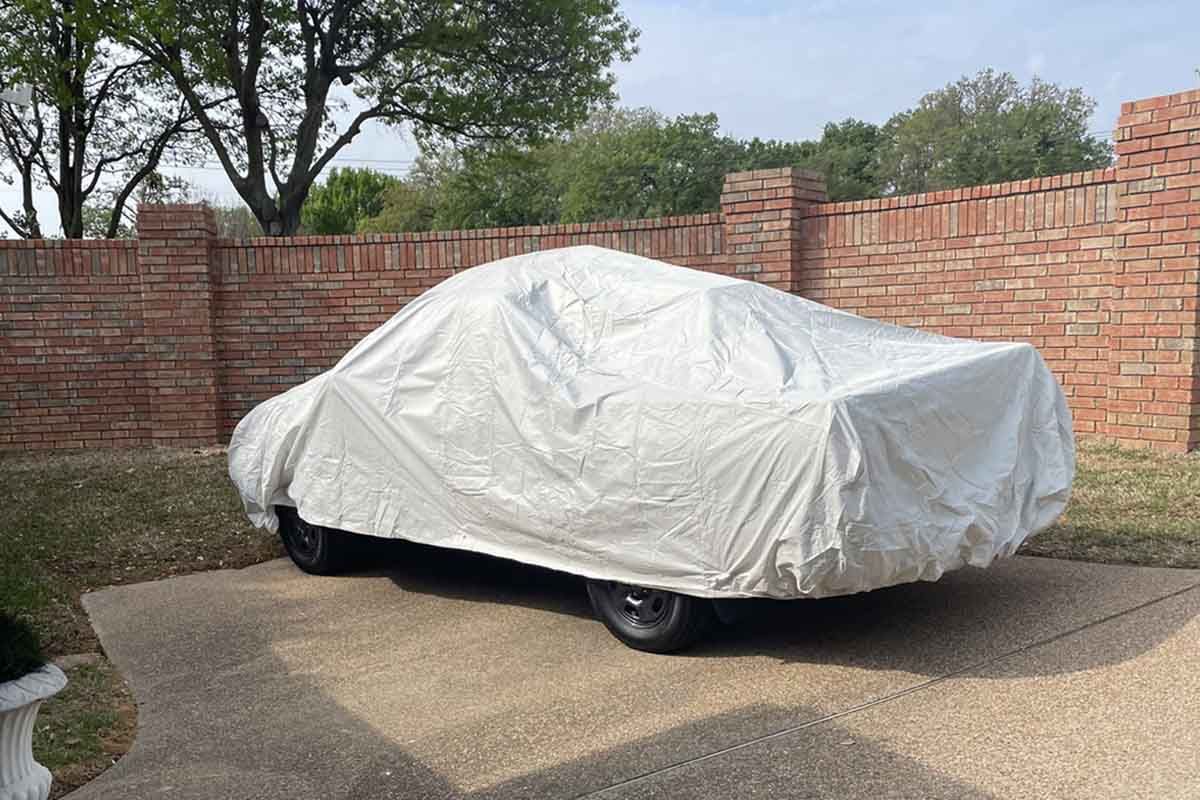
Let the car cover dry fully before folding it, putting it into storage, or placing it back on the vehicle. Trapped moisture can contribute to mildew, unpleasant odors, and material deterioration.
Air Drying a Car Cover
Air drying is an option for many car covers, provided it follows the manufacturer's instructions. Choose a clean, suitable drying area where the cover can be spread out without picking up dirt.
Please consider these points:
- Spread the cover out as much as practical to allow airflow.
- Avoid placing it on dirty or abrasive surfaces.
- Follow any manufacturer guidance regarding direct sunlight or exposure to heat.
- Check thicker sections, seams, and folds for lingering moisture before storing.
If the cover is too large to spread out fully, reposition it as needed so all sections can dry.
Can You Put a Car Cover in the Dryer?
Only use a dryer when the manufacturer's instructions specifically allow machine drying. Excessive heat may damage certain fabrics, water-resistant coatings, elastic sections, straps, or other components.
If machine drying is permitted, follow the specified temperature and cycle settings. Otherwise, let the cover air-dry according to the manufacturer's instructions. Avoid assuming that a low-heat setting is safe for every car cover.
How Often Should You Wash a Car Cover?
There is no single washing schedule that works for every car cover. How frequently the cover needs cleaning depends on its usage, the vehicle's parking conditions, and the amount of dirt and debris it collects.
Wash your car cover more frequently when it is:
- Used outdoors and exposed to dust or airborne debris.
- Parked beneath trees where pollen, sap, or leaves accumulate.
- Frequently exposed to bird droppings.
- Visibly dirty or contaminated after outdoor use.
You may need to wash it less frequently when it is:
- Used indoors in a relatively clean environment.
- Stored and handled in a way that limits dirt buildup.
- Still visibly clean and free of significant contamination.
Inspect the cover regularly and clean it when needed. Actual use and contamination are more useful indicators than a one-size-fits-all schedule.
How to Fold and Store a Car Cover
Proper storage helps keep a car cover clean and ready for its next use. Before folding it, make sure it is free of significant dirt and completely dry.
Make Sure the Cover Is Dry
Never fold and store a damp cover. Check seams, thicker sections, and folded areas for moisture before packing it away.
Remove Dirt Before Folding
Shake off loose dirt, leaves, and debris. Clean heavily soiled covers according to the manufacturer's instructions before putting them into storage.
Use a Clean Surface
Prepare the cover for storage on a clean, dry surface. Avoid dragging it across a driveway, garage floor, or other area where it can collect grit and debris.
Fold or Roll the Cover Correctly
Follow the manufacturer's folding or packing instructions, if available. Fold or roll the cover gently without pulling aggressively on seams, straps, or elastic sections. Careful handling can help reduce unnecessary wear during storage and make the cover easier to reinstall.
Store It in a Clean, Dry Location
Keep the folded cover in a clean, dry storage bag or designated storage area. Store the cover away from moisture, dirt, and environmental conditions that could affect the material.
Car Cover Maintenance Tips
Washing is only one part of car cover care. A few regular maintenance habits can help reduce wear, keep the cover cleaner, and protect the vehicle's finish.
Keep the Cover Clean
Remove loose debris as it accumulates, especially after outdoor use. Address bird droppings, mud, and other contaminants before they become harder to remove. Follow the manufacturer's instructions when deeper cleaning is needed.
Keep the Vehicle Clean Before Covering It
A car cover should be placed over a clean, dry, and cool vehicle. Dirt or moisture trapped between the cover and the vehicle can act like sandpaper as the cover shifts, potentially causing scratches or finish wear.
Seal Skin Covers also recommends starting with a clean, dry, and cool vehicle before installation. This is particularly important when the vehicle has been driven recently or exposed to outdoor contaminants.
Inspect Straps, Buckles, and Seams
Check the cover periodically for loose stitching, damaged seams, worn straps, or faulty buckles. Addressing minor issues early may help prevent further damage during use.
Avoid Dragging the Cover Across Rough Surfaces
Dragging a cover across concrete, gravel, or other rough surfaces can expose it to abrasive dirt and unnecessary friction. Lift and handle it carefully when removing, cleaning, or storing it.
Don't Store the Cover While Damp
Even if the outside feels dry, moisture may remain in folds or thicker sections. Check the entire cover before packing it away to help prevent mildew and odor.
Check the Cover After Severe Weather or Heavy Outdoor Exposure
After strong winds, heavy rain, or extended outdoor exposure, inspect the cover for accumulated debris, loose fasteners, damaged seams, and other signs of wear. Clean and dry it as needed before storing or reusing it.
Common Car Cover Washing Mistakes
Even a well-made car cover can experience unnecessary wear if it is cleaned or stored incorrectly. Avoid these common mistakes:
- Washing without checking the care label: Using an unsuitable method can damage certain materials or coatings.
- Overloading a washing machine: Forcing a large cover into a small washer can prevent proper cleaning and place unnecessary strain on the fabric.
- Using harsh chemicals: Bleach, solvents, and strong stain removers may not be compatible with every cover.
- Scrubbing abrasive dirt aggressively: Grinding grit into the fabric can cause wear and may make the cover harder to clean.
- Applying excessive heat: Unapproved dryer settings or heat exposure may affect the fabric, elastic, straps, or coatings.
- Using fabric softener without approval: Avoid it unless the manufacturer specifically permits its use.
- Storing the cover while damp: Trapped moisture can contribute to mildew, odor, and material deterioration.
- Putting a dirty cover back on a clean vehicle: Contaminants trapped underneath may rub against the paint as the cover moves.
- Dragging the cover across rough or dirty surfaces: This can expose the material to abrasive debris and unnecessary friction.
When Should You Replace a Car Cover?
A car cover does not have a universal lifespan. The cover's durability is influenced by its material and construction, as well as how often it is used, stored, and exposed to outdoor conditions.
Inspect your cover periodically and consider replacing it if you notice:
- Significant tears or holes that cannot reasonably be repaired.
- Damaged seams that compromise the cover's fit or protection.
- Broken buckles, straps, or other fastening hardware.
- Severely degraded elastic that prevents the cover from staying securely in place.
- Substantial material deterioration or damage to protective layers.
- A loss of useful fit that leaves parts of the vehicle exposed or prevents secure installation.
Minor issues may be repairable, depending on the cover and the manufacturer's recommendations. If damage affects the cover's fit, fastening, or protective function, check with the manufacturer to determine whether repair or replacement is appropriate.
Seal Skin Car Cover Care: What We Recommend
Proper installation, regular inspection, and appropriate cleaning all play a role in maintaining a car cover. Seal Skin Covers provides installation and vehicle-preparation guidance to help customers use their covers correctly.
Proper Installation Matters
Seal Skin's installation guidance applies to cars, SUVs, trucks, and vans. Following the recommended installation process helps ensure the cover is positioned correctly and fits the vehicle as intended.
When installing a Seal Skin car cover:
- Confirm that the cover is compatible with your vehicle's size and design.
- Follow the product's installation instructions.
- Position the cover carefully, avoiding unnecessary dragging across the vehicle's surface.
- Check that the cover is properly fitted before securing it.
Correct installation also helps reduce unnecessary movement that can contribute to friction between the cover and the vehicle.
Secure the Cover for Outdoor Use
When using a car cover outdoors, follow the product's fastening instructions to help keep it in place. Seal Skin covers may include a cable-and-lock system or other securing features, depending on the model.
Use the fastening hardware as directed, and inspect it periodically for wear or damage. A properly secured cover is better equipped to remain in position during outdoor exposure.
Product-Specific Cleaning Instructions
Seal Skin car covers may differ in material, construction, and care requirements. For that reason, avoid assuming that a washing method suitable for one cover is appropriate for every Seal Skin model.
Before washing a Seal Skin cover, check the care instructions for your specific product or contact the Seal Skin team for guidance. Confirm whether hand washing or machine washing is permitted, which cleaning products are suitable, and how the cover should be dried.
If a cover has stubborn stains, damaged material, or signs of mildew, seek product-specific advice before using a specialized cleaner or treatment. This helps avoid relying on generic cleaning methods that may not be suitable for the cover.
Car Cover Cleaning Decision Table
Use this quick reference to determine how to handle common car cover cleaning and storage situations.
| Situation | Recommended Approach |
|---|---|
| Light surface dirt | Remove loose debris and follow the cover's normal washing instructions. |
| Heavy outdoor dirt | Rinse thoroughly before cleaning to remove loose grit. |
| Bird droppings | Soften the residue first and avoid aggressive scraping. |
| Tree sap | Check material compatibility before using a specialized cleaner. |
| Machine-washable cover | Use the manufacturer-approved washer settings and cycle. |
| Large cover | Consider an appropriately sized commercial washer if machine washing is permitted. |
| Damp cover | Dry completely before folding or storing. |
| Unknown washing instructions | Contact the manufacturer before using a washer or chemical cleaner. |
Choose the Right Car Cover for Your Needs
When choosing a car cover, consider its washability and care requirements along with its size and material. Your vehicle's use, outdoor exposure, and budget can also help determine which cover is right for you.
At Seal Skin, we offer a range of high-quality car covers to suit different vehicles, budgets, and protection needs.
Call 800-915-0038 during our office hours, Monday through Sunday, 9 AM to midnight EST, for help choosing the right car cover for your needs and budget. Our team can also answer questions about our products, shipping policies, and exchange and refund policies.