


Outdoor AC Unit Cover: How to Choose, Fit, and Ventilate
By John Funk, Jun 09, 2026

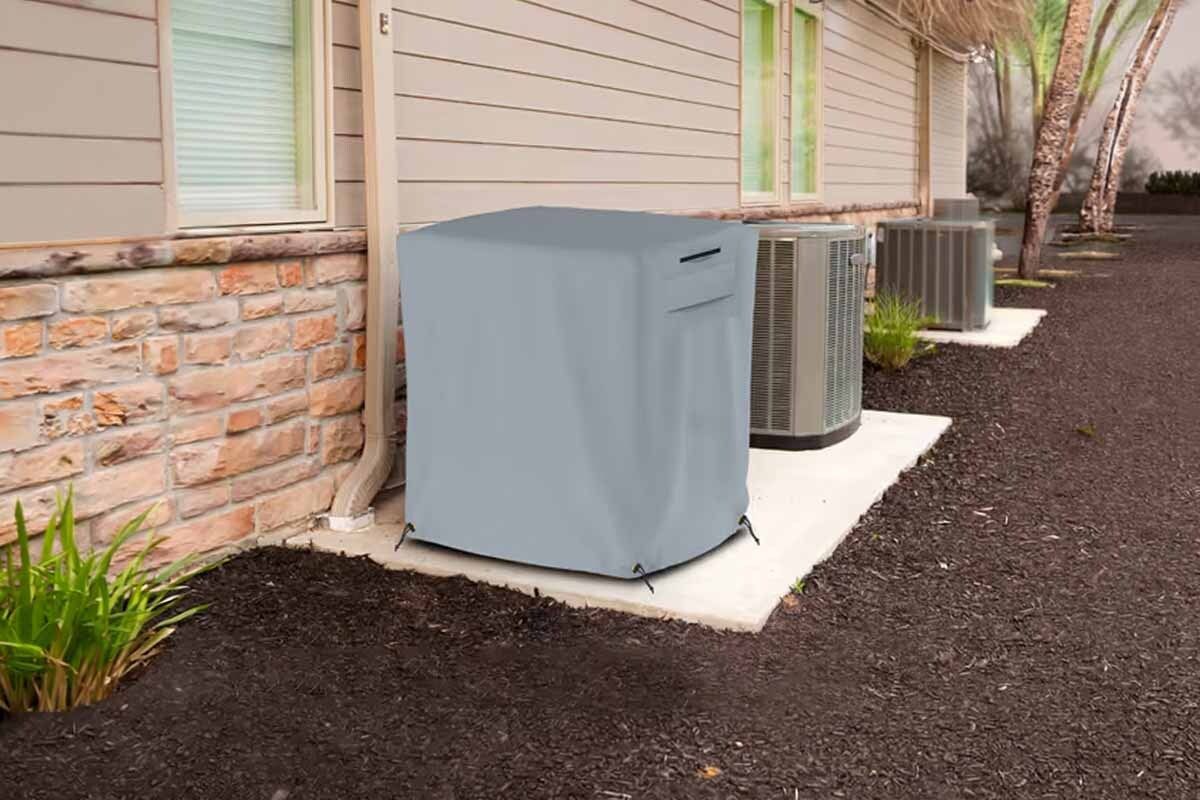
An outdoor AC unit does a lot of work throughout the year. And when the season changes, it sits exposed to whatever the weather decides to throw at it. Rain, snow, falling debris, UV rays, and winter frost can all quietly work against the unit's components, shortening its lifespan and leading to costly repairs. An outdoor AC unit cover is one of the simplest and most affordable ways to protect that investment.
Covers vary widely in design and quality, and choosing the wrong one can create issues similar to having no cover at all. This guide covers important considerations for selecting the right cover, ensuring an accurate fit, and maintaining effective ventilation throughout.
Why an Outdoor AC Unit Cover Matters
The outdoor condenser unit, which is the large box positioned outside the home, contains components that are vulnerable to prolonged exposure to weather conditions. Coils, fan blades, electrical connections, and the casing itself are all affected by moisture, debris accumulation, and freeze-thaw cycles over time.
A well-made outdoor air conditioner cover helps shield the unit from direct exposure to weather conditions, prevents debris from entering during the off-season, and supports a longer operational lifespan for the system. For homeowners heading into winter, an AC cover for winter provides an extra layer of protection during the months the unit isn't running.
Ryan Williams, product expert at Seal Skin Covers, who has extensive experience helping homeowners understand HVAC maintenance and equipment care, puts it plainly: “Most people don't think about their outdoor unit until something goes wrong. A decent cover costs very little compared to a repair call. It's one of the easiest preventative steps a homeowner can take.”
That said, covering an AC unit isn't always a year-round recommendation. During active cooling seasons, the unit needs to breathe and operate freely. Covers are most valuable during extended periods when the system is completely off, generally late autumn through winter.
How to Choose an Outdoor AC Cover
Knowing how to choose an outdoor AC unit cover starts with understanding what the cover will be up against and what the unit actually needs.
Material and Weather Resistance
The material is the most important factor. A heavy duty air conditioner cover made from durable, weatherproof fabric handles rain, wind, and UV exposure effectively. Look for a waterproof air conditioner cover that uses a coated outer layer to repel water while remaining structurally sound in strong winds.
However, relying on waterproofing alone is not sufficient. A fully sealed cover that blocks all airflow traps moisture inside the unit, which accelerates rust and encourages mold growth. This is why a breathable air conditioner cover for winter is the correct choice over a fully sealed one. A breathable AC unit cover allows moisture and condensation to escape while still blocking rain, snow, and debris from getting in.
Ryan Williams is particularly emphatic on this point: “The number one mistake homeowners make is buying a cover that looks tough but suffocates the unit. Breathability isn't a bonus feature; it's the whole point. A waterproof cover that seals everything in is doing more harm than good.”
Size and Fit
A cover that's too large flaps in the wind and lets debris sneak underneath. One that's too small won't provide adequate coverage and puts stress on the fabric. Getting the size right matters.
Here’s what to consider when choosing the right size and coverage:
- Measure the unit accurately: Height, width, and depth should be checked before purchasing. Most manufacturers list cover dimensions clearly, making it easy to compare measurements.
- Allow for a snug but not overly tight fit: The cover should sit flush against the unit without being stretched.
- Check full coverage to the base: Ensure the cover reaches the bottom on all sides to help prevent wind from lifting it.
- Look for secure fastening options: Adjustable straps or drawcords at the bottom help keep the cover in place during strong winds.
- Consider a large AC cover when needed: Choose a larger size if the unit has additional components or a non-standard footprint.
For units with specific dimensions or unusual configurations, guaranteed-fit AC covers are available and worth considering. A guaranteed-fit AC unit cover is cut to exact measurements, which eliminates the guesswork and delivers a cleaner, more secure fit.
Ventilation Design
An AC cover with ventilation is a feature worth prioritizing. Some covers include built-in mesh panels or vented sections that allow airflow even when the cover is fully closed. This is particularly important for units in humid climates where condensation is a persistent issue.
If ventilation isn't built into the cover design, then at least choose a breathable fabric that doesn't create a fully sealed environment around the unit.
How to Measure an AC Unit for a Cover
Measuring correctly takes less than five minutes and prevents the frustration of a poor fit. Use a tape measure and record three dimensions:
- The height from the unit’s base to its top edge
- The width from side to side
- The depth from front to back
Add a small amount, around two to three inches, to each measurement when comparing against cover dimensions. This gives a little room for the cover to sit comfortably over the unit without being stretched or leaving large gaps at the bottom.
For window AC unit covers, the process is slightly different. Measure the exposed exterior portion of the unit rather than the full unit depth, since only the outer section requires coverage.
How to Fit and Install an Outdoor AC Cover
A well-chosen outdoor AC cover only does its job when it’s fitted correctly, making proper installation just as important as the selection itself. A poorly fitted cover, even a quality one, won't provide the protection it's designed to deliver.
Give the unit a proper shutdown first, ensuring it’s completely powered off and fully cooled before you begin any installation work. Clear any debris from around the base of the unit and wipe down the exterior if needed.
To install an AC unit cover:
- Open the cover fully and position it over the top of the unit, centring it evenly on all sides.
- Pull the cover down firmly so it sits flush against all four sides and reaches the base.
- Secure all bottom straps, buckles, or drawcords firmly to keep the cover stable against strong winds.
- Check all sides to confirm there are no large gaps or areas where the cover has bunched up.
- For an HVAC unit cover on a larger system, confirm the cover extends far enough to protect all major components without blocking any permanently active ventilation points.
Outdoor AC Cover for Winter: Special Considerations
Winter is the primary season when an outside AC unit cover earns its keep. During months when the system sits completely idle, an AC unit cover for winter protects against ice accumulation, freezing debris, and the physical stress of freeze-thaw cycles on metal components.
A few additional points worth keeping in mind for winter use:
- Don't cover a unit that's still running. Some heat pump systems operate in winter, so covering an active unit is dangerous and can damage the system.
- Check the cover after heavy snowfall. Snow accumulation on top of the cover adds weight. Most heavy duty air conditioner covers handle this well, but it's worth checking after significant storms.
- Remove the cover in early spring before the cooling season begins. Running a covered unit, even briefly, can cause overheating and internal damage.
Williams describes the seasonal approach in simple terms: “Treat the cover like a winter coat for the unit. Use it when temperatures drop and remove it once the weather becomes warmer again. Leaving it on through summer is where people run into trouble.”
An outdoor AC cover for winter is not meant for year-round use. The correct approach is seasonal application, keeping it on during inactive months and removing it when the system is in operation.
Why Choose Seal Skin Covers
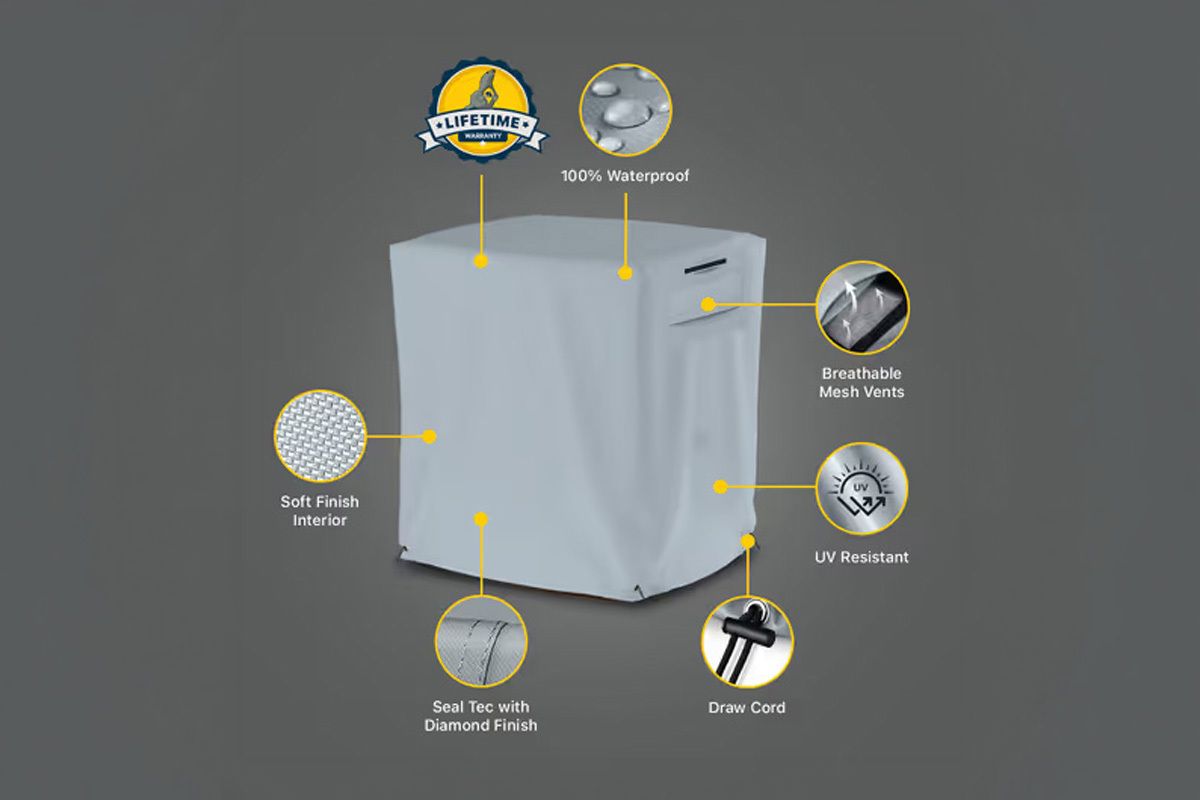
When it comes to protecting an outdoor AC unit, the cover brand matters as much as the cover type. Seal Skin Covers has built a strong reputation among homeowners for delivering exactly the combination that matters most: heavy duty construction, waterproof protection, and the breathability that keeps moisture from building up inside the unit.
Every cover is made from multi-layer fabric that blocks rain, snow, UV rays, and debris while allowing trapped condensation to escape.
Guaranteed fit sizing options ensure a precise fit for almost any outdoor condenser unit, window AC unit, or HVAC system, eliminating bunching, gaps, and loose flapping in the wind.
For homeowners who want a cover that performs through every season without constant replacement, Seal Skin Covers delivers dependable, long-lasting protection that justifies the investment from day one.
Our products are not just reasonably priced, but we will also ship your order right to your doorstep at no additional cost, without any delay. We offer a full 30-day money-back guarantee and a 10-year manufacturer’s warranty with every purchase.
You can call us at 800-915-0038 during our office hours (Monday to Friday from 9:00 AM to 5:00 PM EST), and we will help you find the right AC unit cover that fits your needs and budget. We will also help you if you have any questions about our products, shipping policies, and exchange/refund policies.
Frequently Asked Questions
Do I need a cover for my outdoor AC unit?
It's not strictly required, but a cover provides meaningful protection during off-season months. It keeps debris out, reduces weather-related wear, and can extend the lifespan of the unit over time.
Is it safe to cover an outdoor AC unit?
Yes, as long as the unit is off and the cover is breathable.
A fully sealed cover on an inactive unit can trap moisture, so always choose a breathable AC unit cover.
Should you cover your AC unit in winter?
For standard central air conditioners that don't run in winter, a cover is a sensible precaution. For heat pumps that operate year-round, covering is not recommended.
Can an AC unit cover cause damage?
A poorly chosen cover can, specifically one that traps moisture or restricts airflow around a unit that's still running. The right cover, used correctly, causes no damage.
How tight should an AC unit cover fit?
Snug enough to stay in place and prevent debris from getting underneath, but not so tight that it stresses the fabric or restricts any necessary airflow.
What size AC cover do I need?
Measure the unit’s height, width, and depth, then add an extra two to three inches to each measurement when evaluating cover size options.
Are waterproof AC covers bad for air conditioners?
A waterproof air conditioner cover is fine as long as it's also breathable.
A fully sealed, waterproof cover that traps condensation inside can cause rust and mold over time.
How do I protect my outdoor AC unit from the weather?
Use a quality outside AC unit cover during off-season months, clear debris from around the unit regularly, and schedule annual maintenance to catch any weather-related wear early.