


How Long Do Car Covers Last?
By John Funk, April 15, 2026

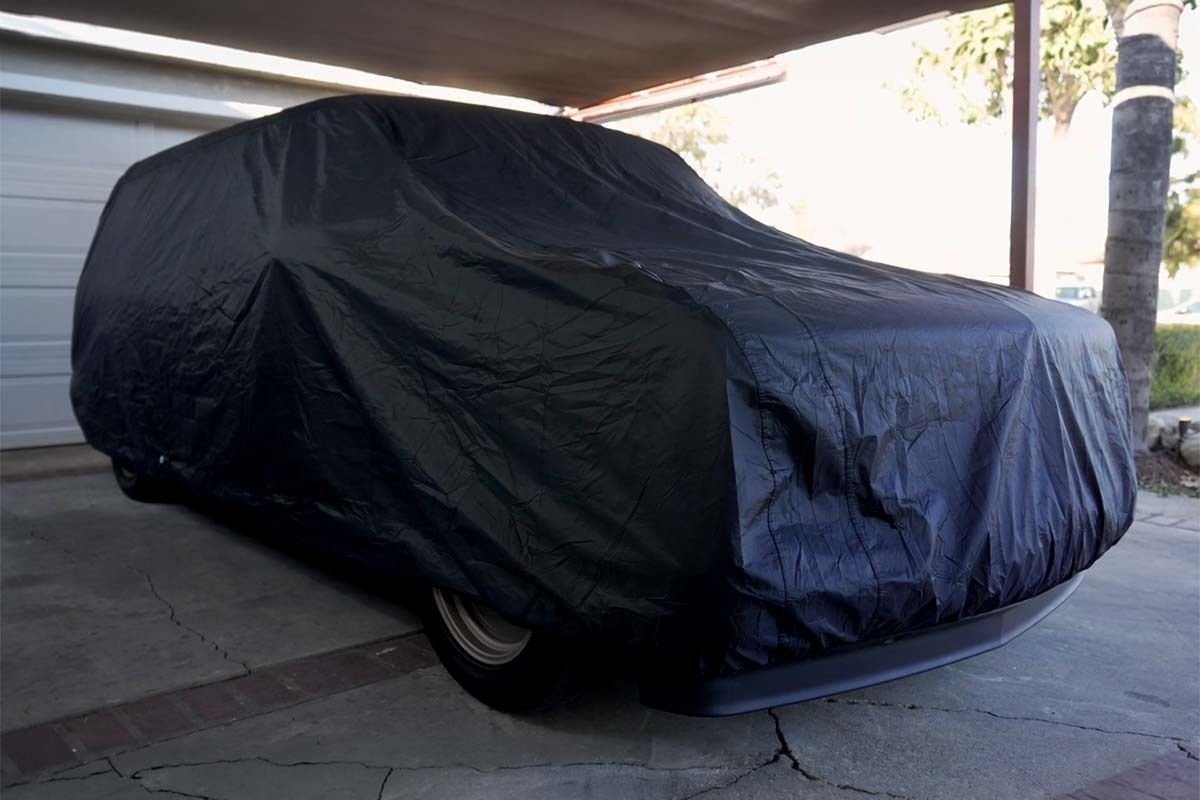
Vehicle owners shopping for car covers inevitably ask the same question: how long will this actually last? The answer frustrates people looking for simple numbers because car cover quality, usage patterns, and environmental exposure all significantly impact longevity.
A cheap universal-fit cover might deteriorate within months of outdoor use, while high-quality car covers can protect vehicles for many years under similar conditions. Understanding what determines lifespan helps set realistic expectations and guides smarter purchasing decisions.
The cost of a car cover can vary widely, from basic, low-cost options to high-end, tailored-fit models. What truly determines value, however, is not just the upfront price but how long the cover lasts. A more durable cover may seem expensive initially, but over time it can prove more economical, while cheaper alternatives often require frequent replacement and offer less reliable protection. In the long run, durability plays just as important a role as price in assessing overall value.
Material Quality
Car cover material represents the single biggest factor determining how long covers last. The fabric construction, UV resistance, water repellency treatments, and overall build quality separate covers that endure from those that fail prematurely.
Multi-layer woven fabrics designed specifically for automotive use outperform single-layer materials. These purpose-built fabrics include an outer layer for UV and water resistance, middle layers for breathability and padding, and soft inner layers that won't scratch paint. The engineering in premium materials shows in their longevity — they resist fading, maintain water repellency, and avoid the tears and degradation that plague cheaper alternatives.
Heavy-duty car cover construction using reinforced seams, double-stitched hems, and quality materials at stress points extends service life significantly. Cheaper covers use minimal stitching that fails when wind pulls the cover or when removal/installation creates tension. Reinforced construction at grommets, elastic hems, and mirror pockets prevents the common failure points that end cover life prematurely.
UV resistance treatments determine how well covers survive sun exposure — the primary killer of outdoor covers. Untreated or poorly treated fabrics fade, become brittle, and eventually crack or tear after extended sun exposure. Quality UV treatments allow car cover outdoor use for years without significant degradation, while cheaper covers might show serious sun damage within a single summer.
Usage Environment and Cover Lifespan
Where and how covers get used affects longevity as much as material quality. The same cover performs differently depending on whether it protects a garage car cover application versus serving as covers for cars outside in harsh climates.
Indoor vs. Outdoor Use
- Indoor use places very little strain on a car cover. When a vehicle is kept in a garage and the cover is mainly used to protect against dust, high-quality covers can last for many years (a decade or more) because they are not exposed to sunlight, moisture, or temperature fluctuations.
- Outdoor use is far more demanding. Constant exposure to sun, rain, wind, and changing temperatures gradually weakens the material, reducing the lifespan of any cover. Even well-made outdoor covers wear down over time, while lower-quality options tend to deteriorate much sooner.
- Covers specifically designed for all-weather, year-round outdoor use are built with stronger materials and construction. These are better suited to handle harsh conditions and generally last longer than standard outdoor covers, though they will still eventually need replacement.
Seasonal Considerations
Different seasons stress covers in distinct ways. Understanding these impacts helps predict lifespan based on climate and usage patterns.
Car cover summer use means intense UV exposure and heat that degrade materials through photochemical reactions and thermal stress. Covers in desert climates or areas with intense summer sun experience accelerated aging compared to mild climates. Quality UV treatments and heat-resistant fabrics make the difference between covers that survive multiple summers versus those requiring replacement after one season.
Car cover winter applications face moisture, freezing temperatures, and snow load. The freeze-thaw cycles can stress fabric and seams. Car cover for snow scenarios adds weight that tests structural integrity — cheap covers might tear under heavy snow accumulation that quality covers handle easily. Breathability becomes critical in winter to prevent moisture trapped under covers from promoting rust and mold.
Maintenance Impact on Cover Longevity
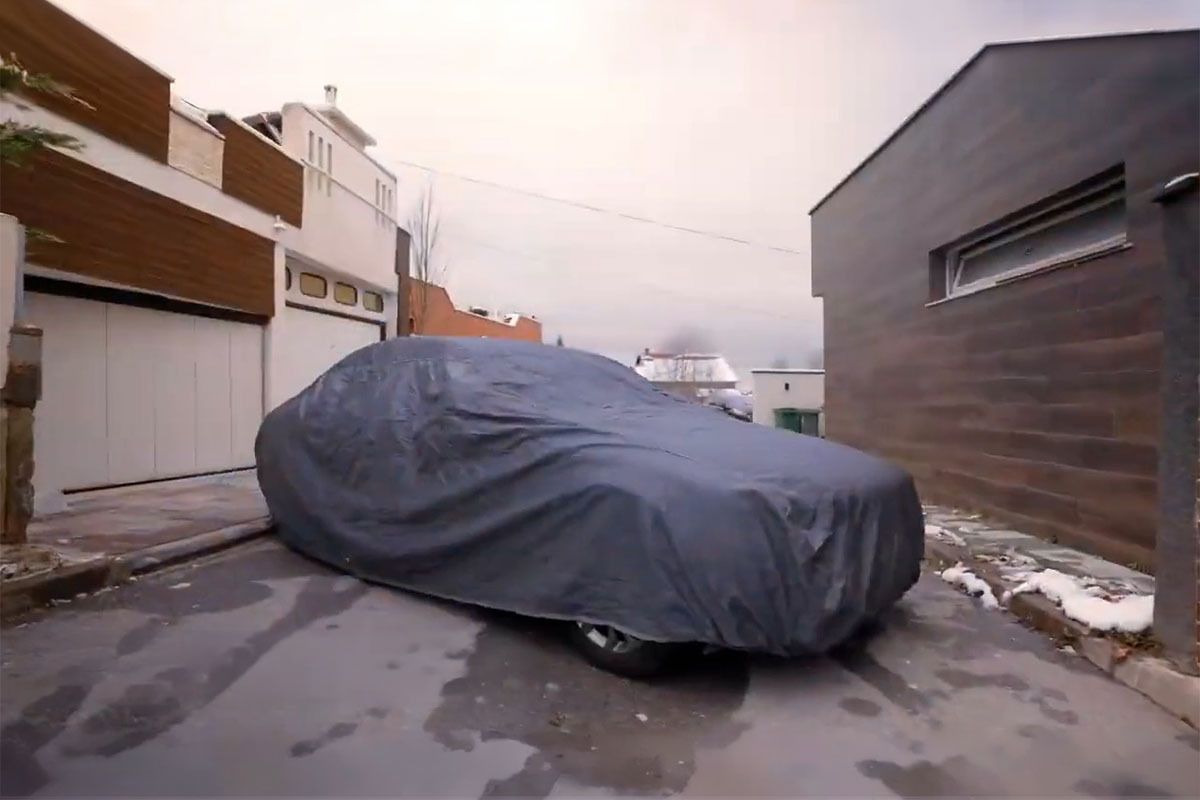
Proper care extends cover life regardless of initial quality. Covers treated as disposable items that are never cleaned or maintained fail faster than those receiving regular attention.
Cleaning covers every few months removes dirt, pollen, tree sap, and other contaminants that degrade fabric over time. Most car covers can be cleaned in a standard washing machine using a gentle cycle and a mild detergent. This simple maintenance helps remove abrasive debris that can cause wear during installation and removal, as well as organic residues that may gradually weaken the fabric.
Proper storage when covers aren't in use prevents unnecessary degradation. Covers stuffed wet into storage bags develop mold and mildew that weakens fabric. Allowing covers to dry completely before storage, then keeping them in breathable bags away from direct sunlight, preserves materials during off-seasons.
Inspecting covers regularly for small tears or worn areas allows repairs before minor damage becomes major failure. A small seam separation caught early and repaired adds months or years to cover life. The same damage ignored grows until the cover becomes unusable.
Warning Signs That Your Car Cover Needs Replacement
Even quality covers eventually wear out. Recognizing when a car cover replacement becomes necessary prevents relying on covers that are no longer providing adequate protection.
Fabric thinning or becoming translucent indicates UV damage has compromised material integrity. These weakened areas will tear easily and no longer provide meaningful protection. Persistent water penetration despite the cover appearing intact suggests water-repellent treatments have failed. The cover might still block some elements but won't prevent moisture damage effectively.
Elastic deterioration in hems means covers no longer fit snugly, allowing wind to work underneath and potentially damage paint through friction. Tears larger than a few inches, particularly around stress points, indicate the cover has reached the end of its useful life, even if most of the fabric remains intact.
Warranty as a Longevity Indicator
Car cover warranty terms provide manufacturers' own estimates of expected lifespan. A cover with a five-year warranty signals the manufacturer expects it to last at least that long under normal use. Conversely, covers with 90-day or one-year warranties suggest even the manufacturer doesn't expect extended durability.
Premium covers often include prorated warranties that provide partial replacement value even after the initial warranty period. This demonstrates manufacturer confidence in longevity and provides some protection against premature failure. Cheaper covers rarely offer meaningful warranty coverage because manufacturers know failure rates are high.
Reading warranty fine print reveals what's actually covered. Some warranties only cover manufacturing defects, not normal wear. Others include UV damage and material degradation. Understanding coverage helps predict realistic lifespan and set appropriate expectations.
Why Choose Seal Skin Covers?


Seal Skin Covers addresses the longevity question directly through premium materials, superior construction, and warranties that back up quality claims. These are long-term protective investments designed to last.
The multi-layer fabric construction in Seal Skin products uses automotive-grade materials engineered specifically for the stresses vehicle covers face. UV-resistant outer layers maintain integrity through years of sun exposure. Breathable middle layers prevent moisture trapping while soft inner layers protect paint finishes. This purpose-built approach to car cover material delivers the durability that generic fabrics can't match.
Guaranteed-fit patterns for specific vehicle makes and models ensure proper fit that reduces wear from wind flapping and friction. Universal covers might cost less initially, but the poor fit accelerates wear and usually requires replacement far sooner than properly fitted alternatives. The Seal Skin investment in precise patterns pays back through extended service life.
Our products are not just reasonably priced, but we will also ship your order right to your doorstep at no additional cost, without any delay. We offer a full 30-day money-back guarantee and a 10-year manufacturer’s warranty with every purchase.
The warranty backing, combined with materials and construction built for durability, means Seal Skin covers answer "how long do car covers last" with timelines measured in years rather than months, delivering the long-term protection and value that vehicle owners deserve.
You can call us at 800-915-0038 during our office hours (Monday to Friday from 9:00 AM to 5:00 PM EST), and we will help you find the right car cover that fits your needs and budget. We will also help you if you have any questions about our products, shipping policies, and exchange/refund policies.
Frequently Asked Questions
How long does a car cover last?
A car cover's lifespan can vary widely based on material quality and how it is used. Cheaper options generally wear out sooner, while higher-quality covers are designed to last significantly longer under proper care.
Covers used indoors tend to have the longest lifespan since they are protected from environmental factors, whereas those used outdoors experience more wear due to constant exposure to the elements and typically need replacement sooner.
Can I use a car cover every day?
Yes, quality car covers are designed for daily use and actually benefit from regular installation and removal when done properly. Daily use requires investing in premium materials and a tailored fit to minimize wear from repeated handling and ensure the cover lasts despite frequent use.
How long does an outdoor car cover last in the sun?
Outdoor car covers exposed to direct sunlight tend to last longer when they are made with effective UV-resistant treatments, while lower-quality covers without proper protection can wear out much more quickly.
Harsh sunlight, especially in hot or tropical climates, speeds up material breakdown compared to more moderate environments.
When should you replace a car cover?
Replace a car cover when the fabric becomes thin or translucent, water penetrates despite the cover appearing intact, the elastic deteriorates causing a poor fit, or tears larger than a few inches develop. These signs indicate the cover no longer provides adequate protection.
How long do cheap vs premium car covers last?
Lower-quality car covers generally wear out faster, lasting a relatively short time outdoors and somewhat longer when used indoors.
In contrast, higher-quality covers are built to withstand harsher conditions and tend to last significantly longer in both environments.
While they require a greater upfront investment, premium covers often deliver better long-term value through improved durability and more reliable protection.
How long do car covers last in extreme weather?
Car covers used in harsh environments such as intense sunlight, heavy snowfall, or coastal areas with salt exposure tend to wear out more quickly. Even high-quality covers have a reduced lifespan under these conditions, while lower-quality options may fail much sooner. Factors like prolonged UV exposure, repeated freezing and thawing, and constant moisture all contribute to faster material breakdown and reduced durability.
What affects car cover lifespan?
Material quality, UV resistance treatments, construction reinforcement, indoor vs outdoor use, climate conditions, maintenance practices, and proper storage all significantly impact car cover lifespan. Covers used outdoors in harsh climates with minimal maintenance fail much faster than well-maintained indoor covers.
How to clean and maintain a car cover?
Here are some simple and effective ways to clean and maintain a car cover:
- Wash regularly: Use a gentle cycle with mild detergent in a standard washing machine (or hand wash for delicate covers).
- Avoid harsh chemicals: Skip bleach and strong cleaners that can damage protective coatings.
- Air dry: Let the cover dry completely before reuse to prevent mold and odors.
- Shake off debris: Remove dust and dirt before putting the cover on to avoid scratches.
- Store properly: Keep it in a clean, dry place when not in use.
Regular care helps extend the cover’s lifespan and maintain its protective performance.