



Garage vs Carport vs Car Cover: Comparing the Best Car Protection Options
Garages, carports, and car covers protect a parked vehicle in very different ways. Here is how the three compare on protection, security, cost, space, and everyday use.
Quick Answer A garage offers the most complete car protection, but it costs the most and requires dedicated space. A carport is less expensive and blocks overhead sun and rain, but the sides remain exposed. A quality car cover provides full exterior protection from sun, rain, snow, and dust without the higher cost of a permanent structure.
A garage offers the most complete protection, a carport provides moderate overhead protection, and a car cover provides full-surface protection without requiring a permanent structure.
- Garage: Offers the most protection and security, but requires the most space and investment.
- Carport: Provides overhead protection at a lower cost than a garage, but leaves the sides exposed.
- Car cover: Protects the vehicle's full exterior, costs less, and can be used almost anywhere.
- When a garage is not an option, a quality car cover offers a practical way to protect a vehicle outdoors.
- A carport and car cover can also be used together for more complete protection.
What Are Your Car Protection Options?
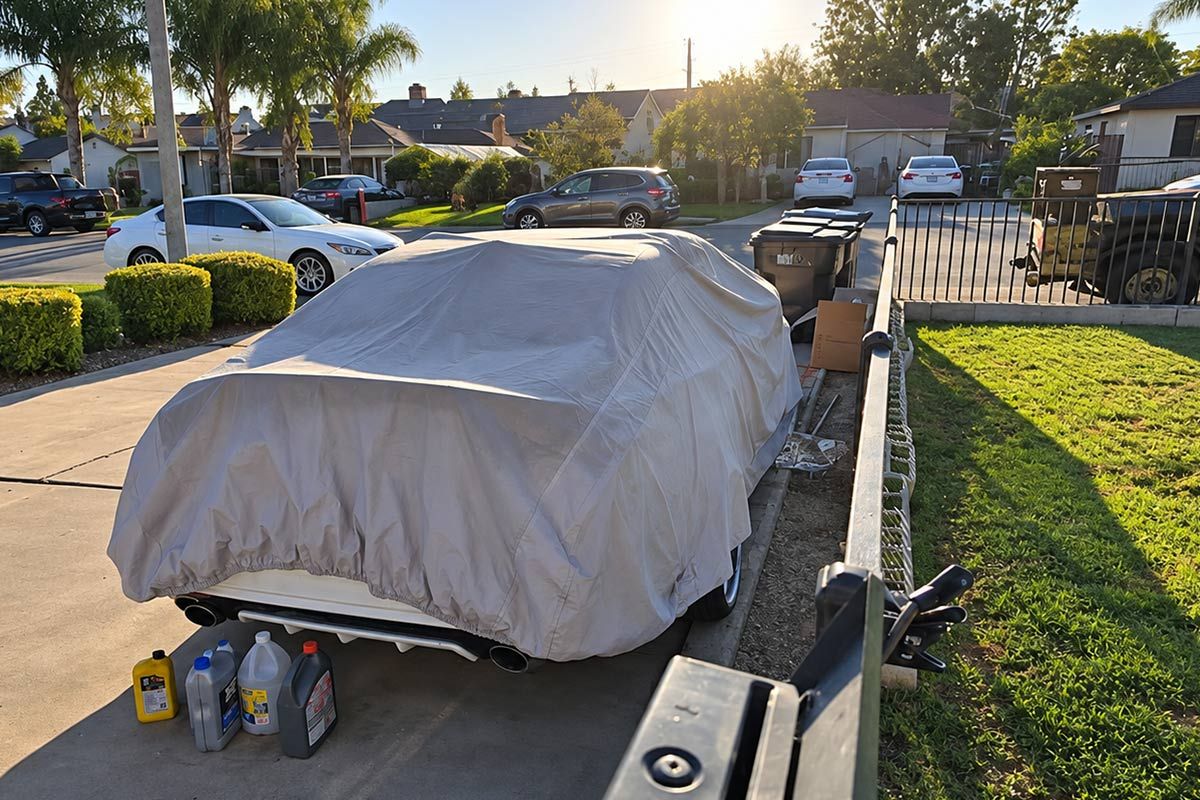
Cars parked outdoors face regular exposure to sun, rain, dust, snow, wind, and changing weather conditions. The three main car storage options are a garage, carport, and car cover. A garage provides protection from most of these conditions, but building one is not practical for every homeowner. A carport takes a simpler approach by providing a roof over the vehicle, while a car cover can protect the vehicle without requiring any construction.
The three choices differ in terms of protection, affordability, space requirements, security, and everyday use.
A garage provides the most complete protection and security. A carport offers a middle ground with overhead shelter. A car cover is the most flexible option because it can protect the vehicle's exterior wherever it is parked.
What Is a Garage?
A garage is a fully enclosed, lockable structure attached to or located near a home. Since the vehicle is surrounded by walls and a roof, a garage protects it from weather on every side. It also keeps the vehicle out of sight and provides a higher level of security than an open structure.
For homeowners with enough space and budget, a garage is generally the most complete form of vehicle protection. It can also provide additional storage space and may add value to a property.
The main drawbacks are the cost and space required. Building a garage requires significant investment, space, planning, and, in some cases, permits. Construction can also take considerable time. Renters and apartment residents usually cannot add a garage to their property.
For someone deciding between a garage or carport, the garage offers more protection, but that additional protection comes with greater cost, space requirements, and construction.
What Is a Carport?
A carport is a roofed parking area that remains open on at least one side. It provides shelter from direct sunlight and overhead rain while giving the vehicle a dedicated parking area.
A carport offers a simpler and more budget-friendly alternative to a garage. It can be a useful choice for homeowners who want overhead protection without the expense and construction involved in a fully enclosed garage.
However, because it is open on the sides, a carport offers less protection than a garage. Wind-driven rain, snow, dust, and angled sunlight can still reach the vehicle through the open sides. A carport also does not provide the security of a lockable enclosure.
The difference between a carport and a garage is therefore mainly the level of enclosure. A garage surrounds the vehicle, while a carport protects primarily from above.
What Is a Car Cover?
A car cover is a protective fabric covering that shields the vehicle's exterior while it is parked. An outdoor cover can be designed to resist water, UV exposure, and outdoor debris while allowing moisture to escape.
Unlike a garage or carport, a car cover does not require construction or a dedicated structure. It covers the vehicle itself, including areas that remain exposed under a carport.
A quality outdoor car cover can protect the roof, hood, trunk, windows, doors, and lower exterior panels from outdoor conditions. Its portability makes it a convenient option for protecting the vehicle in different parking locations.
This makes a car cover particularly useful for renters, apartment residents, and vehicle owners who park outdoors. It also provides a way to protect your car without a garage when building a permanent structure is not practical.
"Our aim has always been to provide a well-fitting cover made with quality materials while keeping it affordable for customers."
What Are the Key Differences Between a Garage, Carport, and Car Cover?
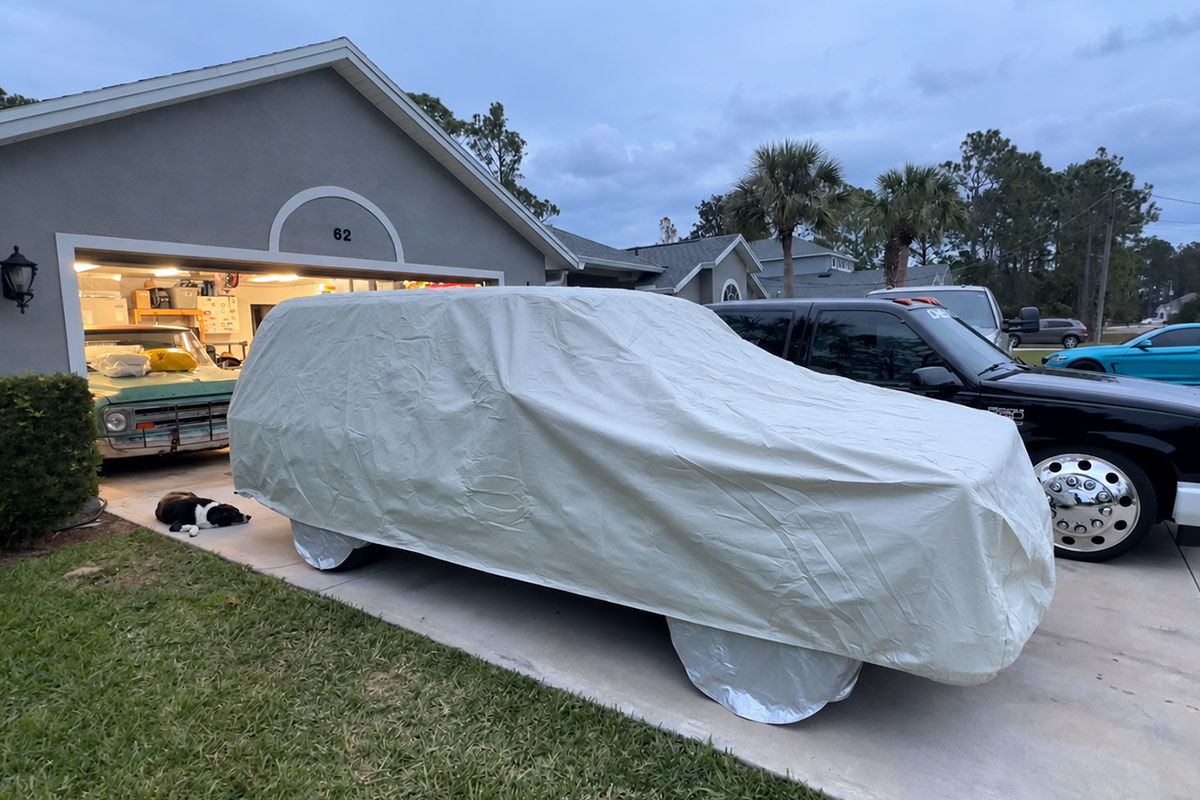
The right choice depends on your budget, space, and protection needs. A garage provides the strongest overall protection and security, while a carport provides overhead shelter with fewer space and construction demands. A car cover focuses on protecting the vehicle itself and offers the most portability.
| Factor | Garage | Carport | Car Cover |
|---|---|---|---|
| Weather and sun | Full protection | Overhead protection | Full-surface protection |
| Security and theft | Highest, lockable | None | Deterrent only |
| Space needed | Large footprint | Dedicated space | None |
| Portability | Fixed | Fixed | Portable and reusable |
| Works for renters | Rarely | Sometimes | Yes |
| Installation | Construction required | Structure required | No construction |
Weather and Sun Protection
A garage blocks weather from all sides. The enclosed design keeps direct sunlight, rain, snow, dust, and other outdoor conditions away from the vehicle.
A carport mainly protects against overhead exposure. The roof can block direct sunlight and rain from above, but the open sides leave parts of the vehicle exposed.
A UV-resistant car cover takes a different approach. Instead of shielding the vehicle from above, it covers the vehicle's exterior. This can protect the sides and lower panels that remain exposed under a carport.
Security and Theft Protection
A garage is the clear winner for security because it can be locked and keeps the vehicle out of sight. It can also provide a barrier against accidental impacts and other hazards around the vehicle.
A carport does not provide the same security because the vehicle remains accessible and visible.
A car cover should not be treated as a security device or replacement for a lockable garage. It can, however, act as a basic deterrent by keeping the vehicle covered and making access less convenient.
A cover is most useful when it is fitted securely and used consistently. Tim Tetaj notes, "Most people don't think about a cover until they've already got hail dents or a faded hood."
Space and Portability
A garage and carport are permanent structures tied to a particular location. They require dedicated space and cannot move with the vehicle.
A car cover is portable and reusable. It can move with the car and can be used in different parking locations. That makes portability especially useful for renters, people who move frequently, or anyone who parks in different places.
Convenience and Daily Use
Once a garage or carport is built, using it requires little daily effort. The vehicle simply needs to be parked inside or underneath the structure.
A car cover takes slightly more effort to use because it needs to be fitted over the vehicle and removed when needed. For a properly fitted cover, however, that process is relatively quick. In return, the vehicle gets full-surface coverage without requiring a permanent structure.
Car Cover vs Carport vs Garage: Cost Comparison
Cost can be one of the biggest factors when choosing between these car protection options. When comparing upfront costs, garages are generally the most expensive, carports are more affordable, and car covers are the least costly.
| Option | Relative upfront cost | Ongoing cost | Main consideration |
|---|---|---|---|
| Garage | Highest | Maintenance and upkeep | Most complete protection and security |
| Carport | Moderate | Low, with occasional repairs | Overhead protection with open sides |
| Car cover | Lowest | Minimal | Full-surface protection without installation |
Pricing can differ considerably depending on the location, materials used, structure size, construction requirements, and cover type. Because of that variation, comparing the options by relative cost is more useful than relying on a single price range.
A car cover also provides a different type of value. It does not offer the security or hands-free convenience of a garage, but it can protect the vehicle's full exterior without construction or a permanent structure. For outdoor weather protection per dollar, it is difficult to match the flexibility of a quality car cover.
Car Cover vs Carport vs Garage: Which Is Better?
The most suitable choice depends on each owner's needs, budget, and parking situation.
For the most complete protection and security, a garage is the strongest option. It surrounds the vehicle, keeps it out of sight, and provides protection from weather and many types of accidental damage.
For homeowners who want overhead shelter without the cost and construction of a garage, a carport can be a practical middle ground.
For anyone parking outdoors and looking for strong protection without building a structure, a car cover is often the more practical choice. In a car cover vs carport comparison, the cover protects the sides and lower panels that a carport leaves open. A carport, however, is more convenient because there is no cover to put on or remove.
In a car cover vs garage comparison, the garage remains better for security and complete enclosure. A car cover can still provide much of the weather and sun protection at a much lower cost.
Can a Car Cover Replace a Garage and Carport?
A car cover cannot fully replace a garage. A garage provides security, a lockable enclosure, and protection from impacts and other hazards that a fabric cover cannot provide.
A car cover can, however, take the place of a carport for many owners who mainly want protection from outdoor weather. A carport shields the vehicle from above, while a cover can protect the sides and other exposed areas as well.
That makes the choice depend on what you need from the structure. If security and enclosed storage are priorities, a garage remains the better option. When weather protection is the priority, a car cover can shield an outdoor vehicle from sun, rain, snow, and dust without requiring a permanent structure.
A cover can also complement either option. Using a car cover under a carport can close the gaps created by the open sides and provide more complete exterior protection.
How to Protect Your Car Without a Garage
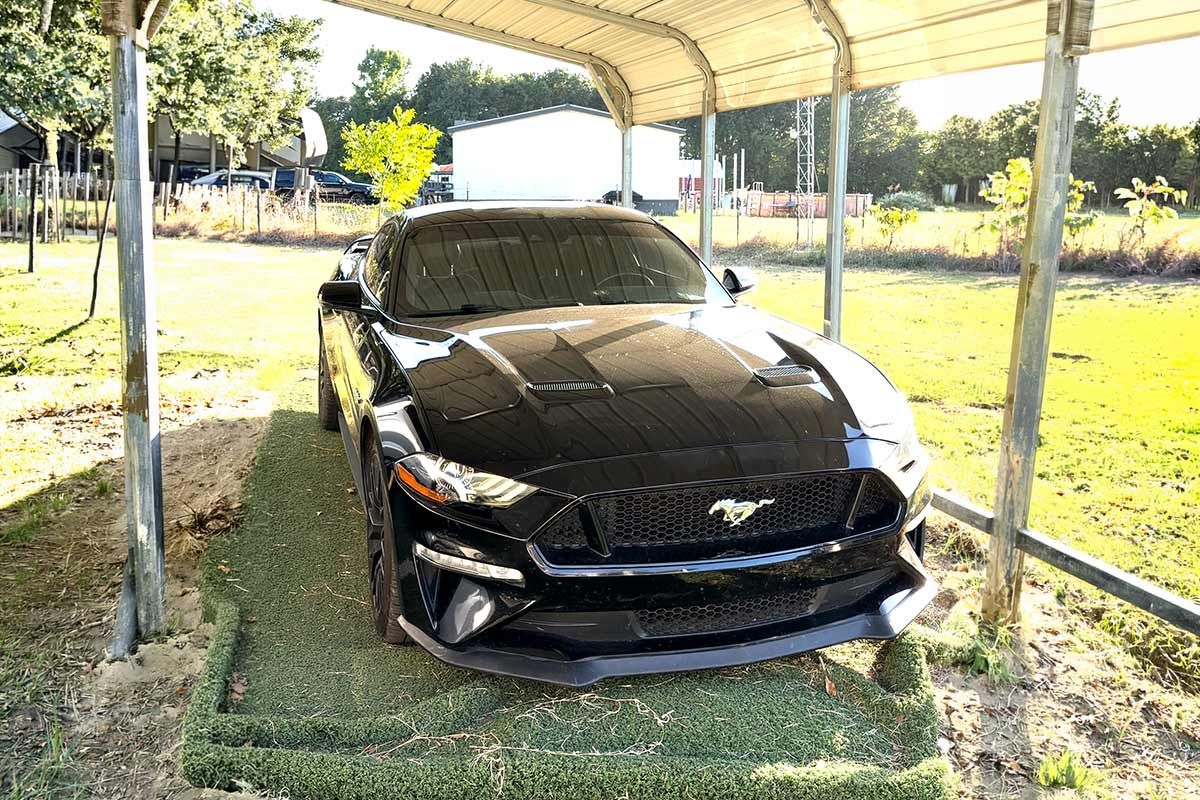
Not having a garage does not mean leaving your vehicle completely exposed. A few practical steps can reduce outdoor exposure and help keep the exterior in better condition.
- Choose a waterproof, breathable, UV-resistant car cover to help shield the vehicle's exterior from outdoor elements.
- Park in the shade when possible to reduce direct sun exposure and heat on the vehicle.
- Consider a carport if you have enough space and want additional overhead protection.
- Use a cover under the carport to protect the sides and lower panels that remain exposed.
- Keep the vehicle clean before covering it so that trapped dirt and grit do not rub against the paint.
- Choose a size-matched cover with a secure fit to reduce movement and flapping in windy conditions.
A cover designed specifically for outdoor use can make a major difference. Seal Skin Covers are designed around vehicle fit and outdoor protection, with features such as waterproof and breathable construction, UV resistance, fleece lining, and warranty coverage. Current product specifications should be checked before publishing or purchasing because features and warranty terms can vary by product.
Which Car Protection Option Should You Choose?
The right choice comes down to your space, budget, living situation, and protection needs.
- Opt for a garage if you own your property and have the space and budget for a fully enclosed, secure parking area.
- Choose a carport if you have dedicated space and want overhead protection without the larger investment involved in a garage.
- Choose a car cover if you rent, park outside, move frequently, or want full exterior protection without construction.
- Choose both a carport and car cover if you want overhead shelter plus protection for the vehicle's sides and lower panels.
Protecting a car does not always require building a garage. A quality car cover can provide full-surface outdoor protection at a much lower cost, while a carport can add overhead shelter. For many vehicle owners, the cover is the simplest place to start.
Our products are not just reasonably priced, but we will also ship your order right to your doorstep at no additional cost, without any delay. We offer:
- A 10-year warranty
- A 30-day money-back guarantee
- Coverage for manufacturing defects
Full exterior protection, no construction required.
You can call us at 800-915-0038 during our office hours (Monday to Friday from 9:00 AM to 5:00 PM EST), and we will help you find the right car cover that fits your needs and budget. We will also help you if you have any questions about our products, shipping policies, and exchange/refund policies.
Frequently Asked Questions
What is the difference between a carport and a garage?
A garage is a fully enclosed, lockable structure, while a carport is an open-sided roof that mainly protects the vehicle from above. A garage provides greater security and full weather protection, while a carport generally costs less and requires less construction. A car cover can add protection to the areas a carport leaves exposed.
Is a car cover better than a carport?
For full-surface weather protection at a lower cost, a car cover can be the better choice because it covers the vehicle's sides and lower panels.
A carport is more convenient for daily parking because there is no cover to put on or remove.
Many owners can benefit from using both.
Can a car cover replace a garage?
Not completely. A garage provides security, an enclosed environment, and impact protection that a car cover cannot match. For protection from sun and weather, however, a quality car cover can provide substantial protection without the cost and construction involved in a garage.
How do I protect my car without a garage?
Choose a waterproof, breathable, UV-resistant car cover and park in the shade when you can. If you have enough space and budget, a carport can provide additional overhead protection, while a cover can protect the vehicle's sides and lower panels.
Is a garage or carport a better investment?
A garage provides more protection and can offer additional benefits as part of a property, but it also costs significantly more to build and maintain.
A carport offers a simpler and more budget-friendly option, but it cannot match the enclosure or security of a garage.
What are the best car storage options?
The main car storage options are a garage, carport, and car cover. A garage offers the most complete protection, a carport provides moderate overhead protection, and a car cover provides full-surface protection without requiring a permanent structure. The best option depends on available space, budget, and whether the vehicle is parked at a home or elsewhere.
Is a car cover necessary if I have a carport?
A carport alone leaves parts of the vehicle exposed to angled rain, dust, and sunlight. A car cover can protect those exposed areas while the carport provides overhead shelter. Using both can provide more complete protection than either option alone.
What is the garage vs carport cost?
A garage generally costs more because it requires more materials, construction, and labor. A carport is usually a more affordable option.