

Does Your BBQ Grill Really Need a Cover?
By John Funk, April 28, 2026

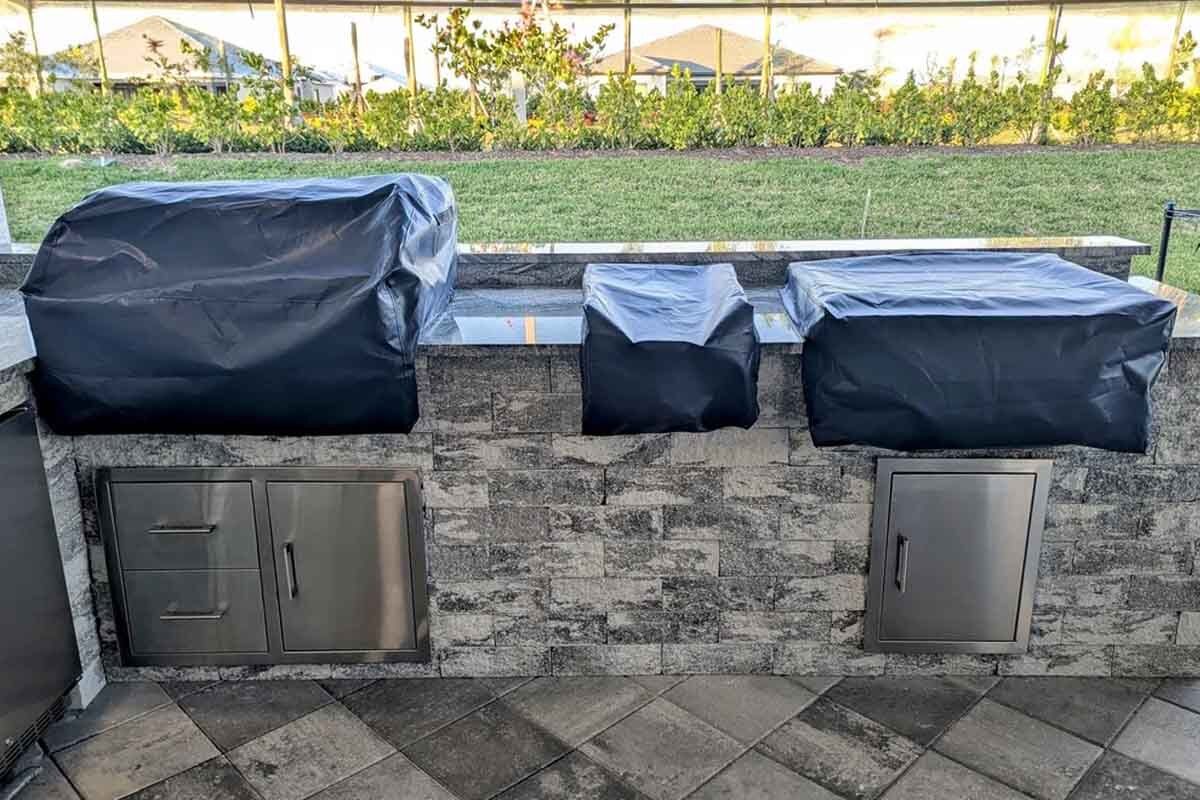
Standing in front of a brand-new grill, many owners wonder whether investing in a cover is actually necessary or just another optional accessory. After all, grills are designed for outdoor use, built to withstand heat and weather. So, do you need a BBQ grill cover, or can the grill handle the elements on its own?
BBQ grill covers are essential for protecting your investment and extending its lifespan. While grills can technically survive outdoors without protection, the difference in longevity and performance between covered and uncovered grills is significant.
Understanding what happens when grills sit exposed to the elements makes the case for BBQ grill covers clear.
What Happens If You Don't Cover Your Grill?
Leaving a grill uncovered might not cause immediate visible damage, but the cumulative effects over time tell a different story. Rain, snow, UV radiation, humidity, pollen, bird droppings, and even insects all take their toll on unprotected grills.
Moisture represents the primary threat. When water from rain or snow sits on metal surfaces, it creates ideal conditions for rust formation. Moisture and debris are the main contributors to rust, and covering grills can effectively slow or prevent rust altogether. Water seeps into burners, clogs vents, and accelerates corrosion on grates, firebox interiors, and exterior surfaces.
UV radiation from constant sun exposure fades paint, weakens plastic components, and dries out rubber seals. Just as car paint deteriorates from prolonged sun exposure, grill exteriors lose their finish and appearance over the years of unprotected outdoor storage.
Environmental contaminants compound the problem. Tree sap bonds to surfaces and becomes increasingly difficult to remove. Bird droppings contain acids that etch into metal and paint. Pollen and dust accumulate, and when mixed with moisture, create an abrasive paste that scratches surfaces. In coastal areas, salt in the air accelerates corrosion, even on stainless steel grills.
Does a Grill Cover Prevent Rust?
Yes, when used correctly, outdoor grill covers significantly reduce rust formation. Rust forms when iron or steel is exposed to moisture and air, leading to a chemical breakdown of the metal. By creating a physical barrier between the grill and moisture sources, waterproof grill covers address the primary cause of rust.
Heavy duty waterproof grill covers shield grills from:
Direct Moisture Sources
- Rain and snow that would otherwise pool on flat surfaces and in crevices
- Morning dew that condenses on exposed metal overnight
- Humidity in the air that gradually seeps into the components
Environmental Factors
- Dust and debris that trap moisture against surfaces
- Pollutants and contaminants that accelerate corrosion
- UV radiation that degrades protective finishes
Quality covers made from materials like polyester with waterproof coatings or heavy-duty vinyl effectively repel water while allowing some air circulation. This balance proves crucial. Complete waterproofing without breathability can trap moisture inside, creating a humid environment that promotes rust.
Can a Grill Cover Trap Moisture and Cause Mold?
This concern stops many grill owners from using covers, but understanding proper cover usage eliminates the problem. Yes, poorly designed covers or incorrect usage can trap moisture, but this is entirely preventable.
The key is ensuring the grill is completely cool and dry before covering. Never cover a hot grill or one that's wet from rain or cleaning. Covering a damp grill traps that moisture underneath, creating a humid microclimate perfect for mold and rust.
Quality heavy duty grill covers include features that prevent moisture trapping:
- Breathable materials that allow air circulation while repelling water
- Vents that permit moisture to escape
- Proper sizing that allows some airflow without creating pockets where water pools
In extremely humid climates, removing the BBQ grill cover periodically to let the grill air out makes sense. Some experts recommend exposing grills to natural air a couple of times a month to prevent moisture buildup, especially in coastal or tropical environments.
Should You Cover Your Grill in the Summer?
Many people assume BBQ grill covers are only necessary during winter, but summer protection matters just as much. Grills benefit from covers year-round, including during summer months.
The summer season comes with a unique set of difficulties. Intense UV radiation causes the most damage during long, sunny days. Paint fades faster, plastic components become brittle, and rubber seals dry out and crack. Pollen accumulates heavily during spring and early summer. Afternoon thunderstorms bring rain that can sit on grills for hours.
Insects and small animals create additional summer problems. They're attracted to grease residue and food particles left on grills. Rodents, birds, and insects can nest in uncovered grills during warmer months, leaving behind droppings and debris that contaminate cooking surfaces and clog vents.
The best grill cover for summer should emphasize UV protection alongside waterproofing. Look for custom BBQ covers with UV-resistant materials that prevent sun damage while still protecting against occasional summer storms.
Do Grill Covers Protect Against Sun Damage?
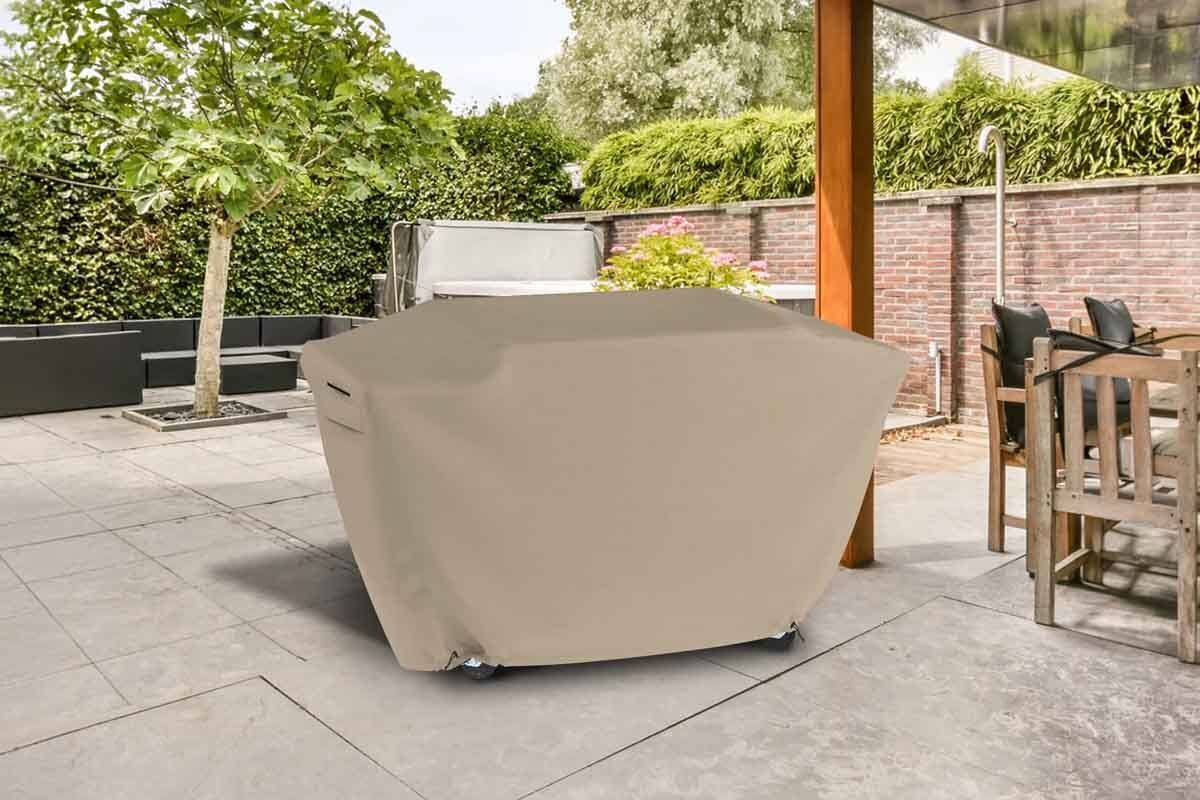
Absolutely. Quality outdoor BBQ covers include UV-resistant materials specifically designed to block harmful radiation. Constant sun exposure degrades grills in multiple ways that covers prevent.
Paint and finishes fade significantly faster on uncovered grills. Dark-colored grills absorb more heat and show fading more quickly, but all colors eventually lose their vibrancy without protection. The protective clear coats on painted surfaces break down under UV exposure, leading to chalking, peeling, and corrosion underneath.
Plastic components, including handles, knobs, side tables, and control panels, can become brittle and crack due to prolonged UV exposure. These parts often cost substantial money to replace and aren't covered under many warranties if damage results from environmental exposure.
Rubber gaskets and seals dry out and lose flexibility, creating gaps where moisture can enter. This compromises the grill's ability to maintain consistent temperatures and creates entry points for rust-causing moisture.
Custom outdoor grill covers that fit properly provide complete coverage, eliminating UV exposure entirely. The investment in a quality BBQ grill cover proves far less expensive than replacing faded exteriors, brittle plastics, and degraded seals.
When Should You Not Cover Your Grill?
While BBQ grill covers provide excellent protection, certain situations call for leaving grills uncovered temporarily:
Right after cooking, wait until the grill cools completely before covering. Covering a hot grill traps heat and can damage the cover material. It also creates condensation as the grill cools under the cover, introducing the moisture you're trying to prevent.
After rainstorms, if the grill got wet before being covered, let it dry thoroughly before putting the cover on. Covering an already-wet grill accelerates rust formation rather than preventing it.
During extremely humid periods in tropical or coastal areas, periodically removing the BBQ grill cover allows natural airflow to dry out any accumulated moisture. This does not mean leaving the grill uncovered all the time; it simply involves letting it air out for a day or two occasionally.
When a grill is kept in a dry, fully sheltered space such as a garage or shed, using a cover becomes less necessary. The permanent shelter already protects from rain, sun, and most environmental factors. However, even indoor-stored grills benefit from covers that keep dust off and prevent accidental scratches.
How Do You Choose the Right Grill Cover?
Selecting the best grill cover involves considering several factors beyond just finding something that fits. The right BBQ grill cover protects effectively for years without requiring frequent replacement.
- Size and Fit: Custom grill covers designed for specific grill models provide the best protection. They fit snugly without being too tight, covering all components without leaving gaps. If a custom option isn't available, measure carefully and choose BBQ grill covers sized appropriately for the grill's dimensions. Covers that are too large create pockets where water pools; covers that are too small leave parts exposed.
- Material Quality: Heavy-duty BBQ covers made from durable, weather-resistant materials last significantly longer than cheap alternatives. Look for polyester with waterproof PVC or vinyl coatings, reinforced seams, and UV-resistant treatments. The material should feel substantial — thin, lightweight covers tear easily and don't provide adequate protection.
- Waterproofing and Breathability: The best covers balance waterproofing with breathability. They need to repel water completely while allowing some air circulation to prevent moisture trapping. Marine-grade fabrics offer excellent protection in harsh environments.
- Secure Fastening: Wind can lift and blow away poorly secured covers. Look for adjustable straps, buckles, or elastic hems with drawstrings that cinch the cover securely around the grill's base. Handles on top make removal and replacement easier.
- Ventilation: Some premium covers include built-in vents that allow air circulation while keeping rain out. These vents help prevent moisture buildup without compromising water protection.
- Warranty: Quality manufacturers back their products with warranties. A cover with a 2-3 year warranty signals the manufacturer's confidence in durability and performance.
The Long-Term Value of Protection
The price of quality BBQ grill covers is relatively modest when compared to the cost of replacing a grill. While outdoor grills can be a significant investment, a heavy-duty waterproof cover offers valuable long-term protection.
Without protection, grills in harsh climates might need replacement in 3-5 years due to extensive rust and degradation. With proper covering and maintenance, those same grills can last 10-15 years or longer. The takeaway is clear: investing in a quality BBQ grill cover can help avoid much higher costs associated with repairs or replacement.
Beyond financial considerations, BBQ grill covers preserve cooking performance. Grills with rust-free grates, functional burners, and intact seals cook food better and more consistently. They're safer to use and more enjoyable to operate.
Regular maintenance becomes easier when the grill isn't covered in grime, pollen, and weather damage.
Why Seal Skin Covers Are a Smart Choice for Grill Protection
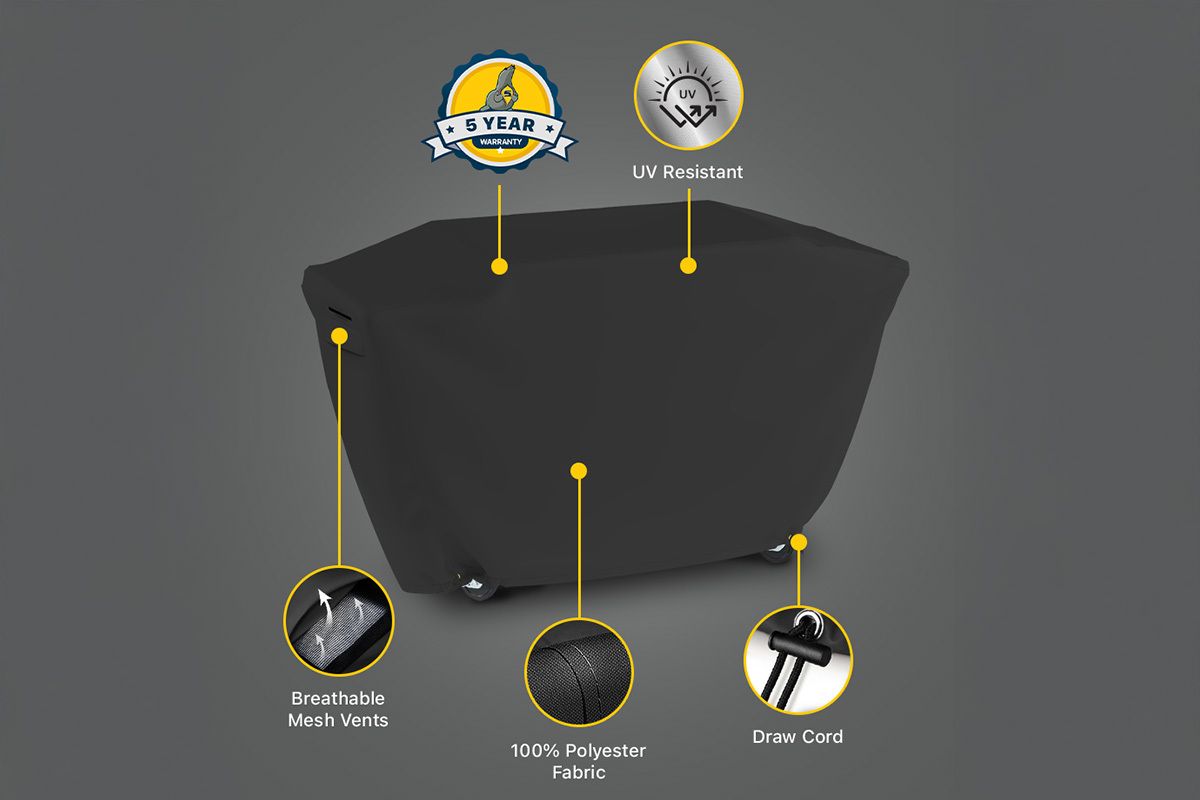
Is a grill cover really necessary? For anyone looking to protect their grill and extend its lifespan, the answer is a clear yes. A reliable BBQ grill cover helps guard against rust, sun damage, environmental debris, and even pest intrusion. These are some benefits that far outweigh the relatively low cost.
When choosing a cover, quality should always come first. A durable, heavy-duty option that lasts for years offers far greater value than a cheaper alternative that wears out quickly. This is where Seal Skin grill covers stand out, offering strong, weather-resistant protection designed for long-term use. Their construction focuses on durability and reliable coverage, making them a practical choice for protecting outdoor grills.
Using the cover correctly is equally essential for effective protection. Always ensure the grill is completely cool and dry before covering it, select breathable materials, and allow occasional airflow in humid conditions. These simple steps help prevent moisture buildup while maintaining effective protection.
Ultimately, it depends on how much value is placed on maintaining the grill’s condition, performance, and lifespan. For most owners, opting for a reliable solution like Seal Skin Covers makes the choice clear and easy.
Our products are not just reasonably priced, but we will also ship your order right to your doorstep at no additional cost, without any delay. We offer a full 30-day money-back guarantee and a 10-year manufacturer’s warranty with every purchase.
You can call us at 800-915-0038 during our office hours (Monday to Friday from 9:00 AM to 5:00 PM EST), and we will help you find the right grill cover that fits your needs and budget. We will also help you if you have any questions about our products, shipping policies, and exchange/refund policies.
Frequently Asked Questions
Does a BBQ grill really need a cover?
Yes, BBQ grills benefit significantly from covers. While grills can survive outdoors without protection, covers prevent rust, protect against UV damage, keep out environmental contaminants, and extend the grill's lifespan by years. The modest investment in a quality cover saves hundreds in potential replacement costs.
What happens if you don't cover your grill?
Uncovered grills are exposed to multiple damaging factors that gradually reduce their lifespan. For example:
- Rust forms more quickly due to exposure to rain, snow, and humidity
- UV radiation fades paint and weakens plastic parts
- Environmental debris, such as bird droppings, tree sap, and pollen, builds up and damages surfaces
- Insects and rodents may enter and nest inside the grill
Over time, these issues combine and significantly shorten the grill’s overall durability and performance.
Does a grill cover prevent rust?
Yes, waterproof grill covers effectively prevent rust by creating a barrier between the grill and moisture (the primary cause of rust formation). Quality BBQ grill covers protect against rain, snow, humidity, and dew. However, grills must be completely dry before covering to avoid trapping moisture that could accelerate rust.
Can a grill cover trap moisture and cause mold?
Poorly designed covers or incorrect usage can trap moisture, but this is preventable.
- Always ensure the grill is cool and dry before covering.
- Choose breathable covers with vents that allow air circulation.
- In humid climates, periodically remove the cover to let the grill air out.
Proper cover selection and usage eliminate moisture-trapping issues.
Should you cover your grill in the summer?
Yes, grills need protection year-round, including summer. UV radiation causes significant damage during sunny months, fading paint and degrading plastic components. Summer thunderstorms bring moisture that causes rust. Pollen and insects create additional problems. Quality UV-resistant covers protect against all these summer-specific threats.
Do grill covers protect against sun damage?
Yes, quality grill covers with UV-resistant materials effectively block harmful radiation that fades paint, weakens plastic components, and dries out rubber seals.
Custom outdoor grill covers that fit properly provide complete sun protection, preventing the expensive damage that constant UV exposure causes over time.
When should you not cover your grill?
Don't cover your grill immediately after cooking. Wait until it cools completely. If the grill is already wet from rain, let it dry before covering. In extremely humid climates, occasionally remove the cover for a day or two to allow airflow. If storing in a fully covered, dry location like a garage, covers become less critical.
How do you choose the right grill cover?
Select BBQ grill covers based on proper fit (custom grill covers work best), durable materials (heavy duty waterproof options), effective fastening systems, breathability to prevent moisture trapping, and UV resistance.
Look for reinforced seams, quality construction, and manufacturer warranties. Measure carefully if custom options aren't available, and prioritize quality over price for long-term value.