



Do Car Covers Cause Condensation, Mold, or Rust? Here's What You Need to Know
Car covers get blamed for rust spots, musty smells, and paint damage. Here is what actually causes moisture problems under a cover, and how to prevent them with the right fabric, fit, and habits.
Quick Answer A quality breathable car cover does not cause condensation, mold, or rust when used correctly. Most moisture-related problems occur when a non-breathable cover traps water against the vehicle, a wet car is covered before it dries, or the cover fits poorly and restricts airflow. A high-quality breathable cover combined with proper use helps keep moisture from becoming trapped, reducing the likelihood of mold, rust, and condensation while shielding your vehicle from the elements.
The real culprits are trapped moisture, non-breathable materials, covering a wet vehicle, and poor fit. Not the cover itself.
- Breathable car covers don't cause condensation, mold, or rust: These problems are usually caused by trapped moisture, non-breathable covers, or improper use.
- Always cover a clean, dry vehicle: This prevents moisture from being trapped against the paint and metal surfaces.
- Choose a breathable, properly fitted cover: It allows moisture vapor to escape while protecting against rain, UV rays, and debris.
- Inspect and maintain your cover regularly: Keeping both the cover and your vehicle clean and dry helps reduce the risk of mold and rust.
Car covers get blamed for a lot of paint damage, rust spots, and musty smells. The concern is understandable. Wrap anything tightly and you might expect moisture to build up underneath. The outcome depends more on the cover's material and proper use than the cover itself.
Quality, breathable car covers don't inherently cause condensation, mold, or rust. Most problems trace back to trapped moisture, the wrong type of cover, or basic misuse rather than the cover itself.
Understanding how moisture behaves under a cover and what actually causes rust and mold makes it a lot easier to choose and use one correctly.
Why People Think Car Covers Cause Condensation, Mold, or Rust
The reputation largely comes from real experiences with the wrong product. Non-breathable covers, particularly cheap plastic or vinyl options, trap moisture against the paint surface instead of allowing it to escape. Overnight, that moisture condenses, sits against bare metal at seams or chips, and over time contributes to rust and mold growth.
The problem lies in trapped moisture, not in the car cover itself. A poorly fitted cover that allows water to pool underneath or a non-ventilated cover used on a damp vehicle will behave exactly as bad as the reputation suggests. That's given the whole category an unfair image, especially when quality breathable car covers are specifically designed to prevent these problems.
"In my experience, moisture problems are far more likely to result from covering a wet vehicle or using a non-breathable cover that traps condensation."
How Condensation Forms Under a Car Cover
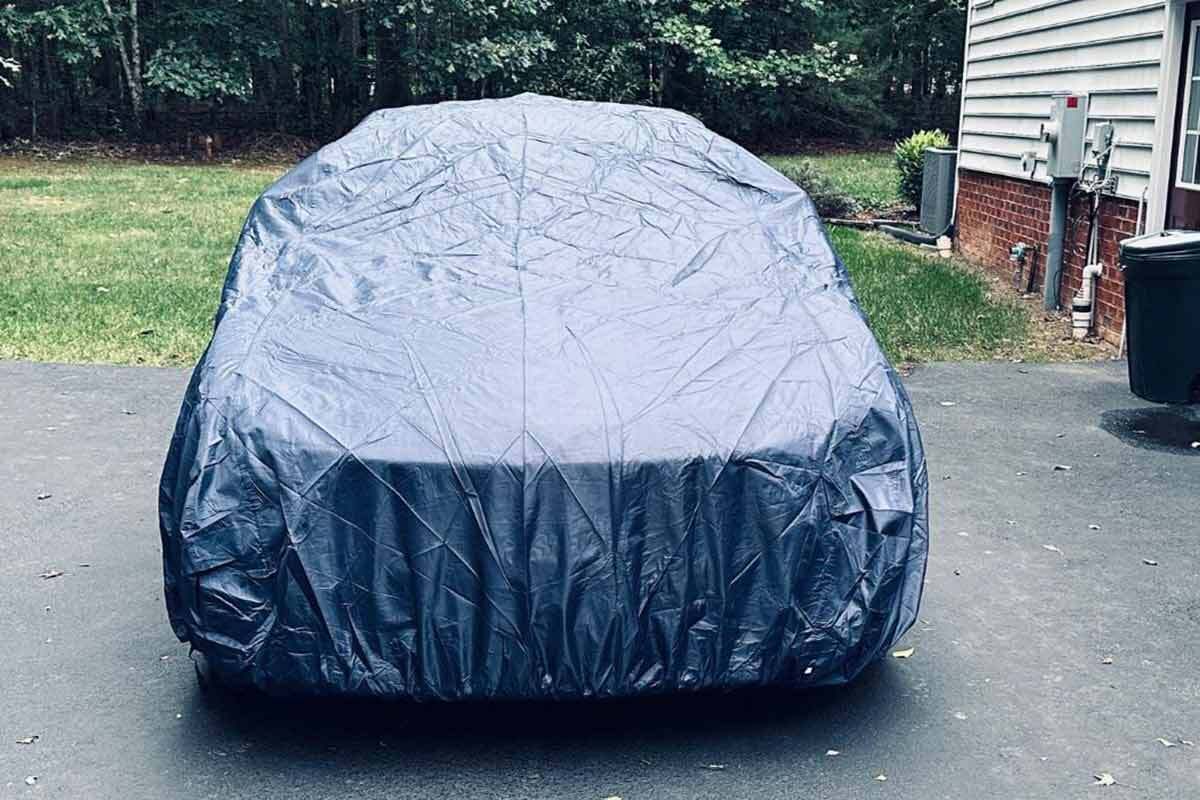
Condensation doesn't require rain. It forms whenever warm, moist air meets a cooler surface. And a parked vehicle covered overnight creates exactly the right conditions. Understanding these causes is the first step toward preventing moisture buildup.
Temperature Changes
As outside temperatures drop overnight, surfaces cool faster than the air surrounding them. Moisture in the air that contacts the cooler metal surface condenses into liquid water. This is the same process that fogs up a bathroom mirror. Under a non-breathable cover, that water has nowhere to go.
Humidity and Dew
High ambient humidity means more moisture in the air to begin with. In humid climates or during certain seasons, even a well-fitted cover on a dry car will encounter enough overnight dew to produce noticeable condensation underneath. A breathable cover allows that moisture to migrate out; a sealed one holds it in.
Covering a Wet Vehicle
Installing a car cover on a wet vehicle, whether after rainfall, washing, or morning dew, greatly increases the risk of moisture becoming trapped underneath. The water that's already on the surface has nowhere to evaporate and stays trapped between the cover and the paint for hours.
Poor Air Circulation
Covers that fit too tightly restrict airflow entirely. Even a breathable fabric needs some movement of air underneath to allow moisture to escape. Covers that seal flush against the roofline, windows, and body panels without any ventilation turn the space underneath into a humid microclimate.
| Cause | What Happens | How to Prevent It |
|---|---|---|
| Covering a wet car | Moisture gets trapped | Dry the vehicle before covering |
| High humidity | Condensation forms overnight | Use a breathable cover |
| Non-breathable cover | Moisture cannot escape | Choose ventilated, breathable fabric |
| Poor fit | Water pools or enters | Use a properly fitted cover |
Will Car Covers Cause Mold?
A car cover itself doesn't cause mold. Mold needs moisture, warmth, and time to develop. The cover creates the conditions for mold only when it traps moisture against surfaces where organic matter can support growth.
The most common scenario is a non-breathable cover left on a damp vehicle for extended periods. Interior moisture from the cabin, combined with trapped exterior condensation, creates exactly the environment mold needs. Fabric covers that retain moisture without drying out between uses can also develop mildew themselves, which then transfers to the vehicle.
Can Car Covers Lead to Rust?
Car cover condensation is a contributing factor to rust, but covers themselves rarely cause it from scratch. Rust requires both moisture and damage to the paint, such as a chip, scratch, or worn clear coat that exposes bare metal to water. A breathable cover that allows moisture to escape addresses the moisture side of that equation.
Where car covers contribute to rust is when they trap moisture against existing paint damage and hold it there. A tiny chip that would normally dry out in open air stays wet for hours under a sealed or poorly fitted cover, and rust progresses faster as a result.
For rust prevention, the cover choice matters, but so does paint maintenance. Keeping paint chips repaired and the surface waxed removes the foothold that rust needs to develop, regardless of what covers the car.
"Rust typically develops where moisture remains in contact with existing paint chips or exposed metal for extended periods."
Choosing the Right Car Cover to Prevent Moisture Problems
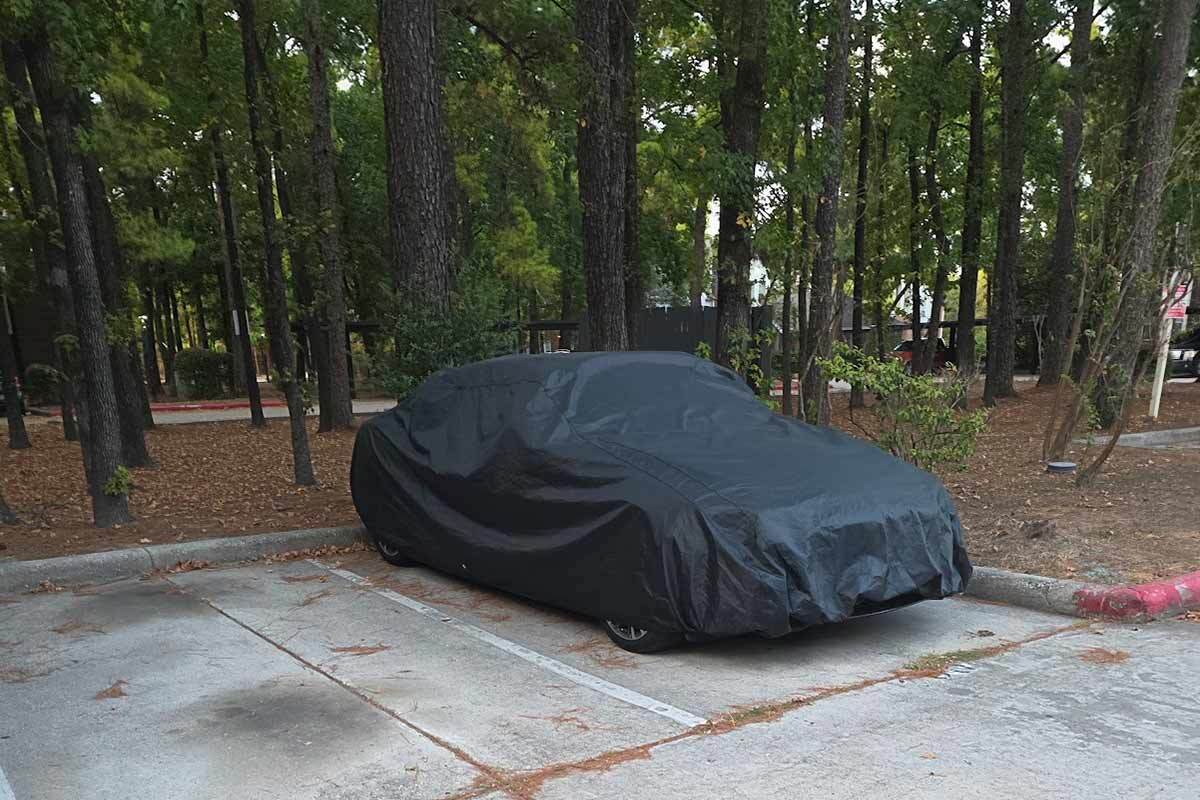
Not all car covers behave the same way. The fabric, fit, and construction determine whether a cover protects against moisture or makes the problem worse.
Breathable vs Waterproof Covers
When comparing outdoor car covers, breathability is one of the most important features to evaluate. Breathable covers allow moisture vapor to pass through the fabric, so condensation that forms underneath can evaporate rather than accumulate. Waterproof covers block water from entering from outside but can also block moisture from escaping from underneath, making breathability just as important as waterproofing for long-term use. Many quality outdoor car covers combine both properties: a breathable membrane that allows vapor to escape while still repelling rain and UV exposure. These are the most practical option for vehicles stored outdoors where weather protection and moisture control both matter.
Multi-Layer Fabrics
Multi-layer cover construction improves performance over single-layer designs. Quality outdoor car covers rely on layered materials that help safeguard the paint while providing resistance to water, UV rays, and abrasion. The structure allows moisture to migrate outward through the layers rather than sitting against the paint surface.
| Feature | Breathable Cover | Waterproof Cover |
|---|---|---|
| Airflow | Excellent | Limited (unless breathable membrane) |
| Moisture Escape | Excellent | Moderate |
| Rain Protection | Very Good | Excellent |
| Mold Prevention | Excellent | Depends on fabric |
| Outdoor Use | Excellent | Excellent when breathable |
Best Practices for Using a Car Cover
The right cover used incorrectly still causes problems. A few consistent habits eliminate most moisture issues regardless of which cover is used:
- Always cover a dry car: This is the single most effective step. Wet paint covered immediately after rain, washing, or dew deposits moisture that has no way to escape.
- Let the cover dry before storing it: A damp cover rolled up and stored in a bag will develop mildew quickly. After removal, let it air dry fully before folding.
- Check under the cover periodically: A quick look every week or two catches moisture buildup, mold growth, or fit issues before they cause damage.
- Keep the cover clean: Dirt and debris trapped in the fabric can scratch paint and retain moisture. Follow the manufacturer's washing guidelines for the specific material.
- Make sure the fit is right: A cover that's too large bunches up and allows water to pool. One that's too tight restricts airflow. A proper fit sits snugly without sealing the car completely.
- Park on a clean, dry surface where possible: Ground moisture from damp concrete or grass wicks upward into covers parked low to the ground, particularly overnight.
Common Myths About Car Covers
Several persistent misconceptions make choosing and using a car cover more confusing than it needs to be.
| Myth | Reality |
|---|---|
| Car covers always cause rust | Rust is usually caused by trapped moisture and existing paint damage, not the cover itself |
| Waterproof covers are always better | Breathability is equally important. A waterproof cover that traps moisture underneath creates its own problems |
| Any cover will fit well enough | A proper fit improves both protection and airflow; a poorly fitted cover allows water entry and restricts ventilation |
| You can cover a wet car anytime | Covering a wet vehicle significantly increases the risk of condensation and mold |
Why Seal Skin Car Covers Are a Smart Choice for Moisture Protection

A car cover is only as effective as the materials and design behind it. Seal Skin Car Covers are engineered to protect vehicles from rain, UV rays, dust, snow, bird droppings, and other outdoor hazards while helping minimize moisture-related issues.
Breathable, Multi-Layer Fabric
Allows moisture vapor to escape, helping reduce condensation beneath the cover.
Water-Resistant Exterior
Shields against rain while maintaining airflow.
Guaranteed Fit Options
Provide better coverage and reduce water pooling or excessive fabric movement.
Soft Inner Lining
Helps protect your vehicle's paint from scratches during installation and removal.
Durable construction is designed for year-round outdoor and long-term storage use. For the best moisture protection, ensure the vehicle is clean and completely dry before covering it, and let the cover dry fully after heavy rainfall before reinstalling or storing it. When paired with proper usage, Seal Skin car covers provide reliable protection against the conditions that contribute to car condensation, mold, and rust.
Our products are not just reasonably priced, but we will also ship your order right to your doorstep at no additional cost, without any delay. We offer:
- A 10-year warranty
- A 30-day money-back guarantee
- Coverage for manufacturing defects
Protect your vehicle without trapping moisture.
Call us at 800-915-0038 during office hours (Monday to Friday, 9:00 AM to 5:00 PM EST) and we will help you find the right car cover that fits your needs and budget. We will also help with any questions about our products, shipping policies, and exchange/refund policies.
Frequently Asked Questions
Do car covers cause condensation?
A breathable car cover doesn't cause condensation; it allows trapped moisture vapor to escape. Condensation forms when moisture gets trapped between the cover and the vehicle's surface, which happens most often with non-breathable covers or when a damp car is covered before it has fully dried.
Do car covers cause mold?
A car cover doesn't cause mold by itself. Mold develops when moisture is trapped and held against surfaces for extended periods. Using a breathable cover on a dry vehicle and allowing the cover to dry between uses eliminates the conditions mold needs to form.
Will a car cover make my car rust?
A car cover won't cause rust on its own. Rust needs moisture and a breach in the paint. A breathable cover reduces moisture exposure; a non-breathable one can trap it. Keeping paint chips repaired reduces rust risk regardless of cover type.
Should I cover my car after it rains?
Wait until the vehicle has dried before covering it. Covering a wet car traps moisture against the surface, which increases the risk of condensation, mold, and rust. If covering a wet car is unavoidable, use a breathable cover and uncover it at the earliest opportunity to allow any trapped moisture to evaporate. Promptly removing a breathable cover after the vehicle has a chance to dry can help reduce the likelihood of car cover rust caused by trapped moisture.
Are breathable car covers better?
For most uses, yes. Breathable covers allow moisture vapor to escape, which prevents condensation buildup and reduces car mold risk. Many quality covers combine breathability with water resistance, making them effective in both rain and dry conditions.
How do I stop moisture under a car cover?
Dry the vehicle before covering it, choose a breathable cover that fits properly, and avoid covering on high-humidity nights when possible. Inspecting periodically and cleaning the cover regularly also prevents moisture from accumulating undetected.