



Car Cover vs. Car Shade: Which One Protects Your Car Better?
A car cover shields every surface, while a car shade mainly blocks sun from above. Here is how the two compare on sun, heat, rain, dust, snow, convenience, and long-term value.
Quick Answer A car cover protects your whole vehicle from sun, rain, snow, dust, and everyday outdoor exposure. A car shade, such as a canopy or car umbrella, mainly blocks overhead sun while leaving the sides and lower panels exposed. For complete outdoor protection, a UV-resistant car cover does more than a shade, while a shade can be useful when quick, daily sun protection is the main goal.
A full car cover shields the vehicle's exterior from sun, rain, snow, and dust, while a car shade primarily provides protection from direct overhead sunlight.
- A car cover shields every surface, while a car shade mainly blocks sun from above.
- A shade is quicker for daily use, but it leaves the car exposed to rain, dust, and angled sunlight.
- A UV-resistant car cover helps slow paint fading while also protecting against weather a shade cannot block.
- For a car parked outside long term, a full cover provides more complete protection.
- Some owners can use both, with a shade providing overhead protection and a cover handling the rest.
What Is a Car Cover?
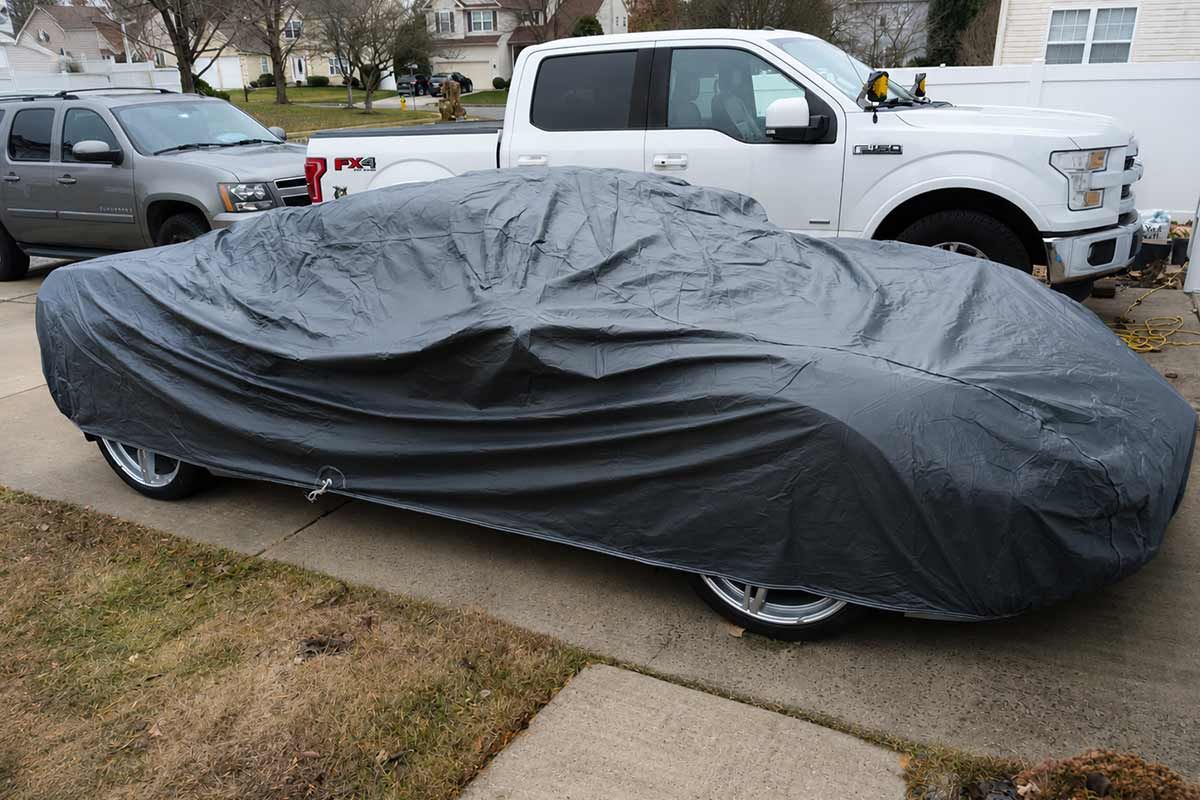
A car cover is a fitted fabric cover designed to wrap the vehicle from the roof down to the lower panels. It covers the vehicle's exterior, helping protect it from sunlight, rain, snow, dust, tree sap, and bird droppings. Depending on the material and design, a car cover can also help reduce minor scratches and everyday surface wear.
Not every cover provides the same level of protection. A quality outdoor car cover should offer waterproof and UV-resistant protection while remaining breathable, with a soft interior that is safe for the vehicle's paint. Breathability is important because moisture trapped underneath a cover can create problems over time.
A cheap tarp may look like a similar solution, but it does not necessarily offer the fit, breathability, UV resistance, or paint-friendly lining needed for regular vehicle protection. The fabric and construction make a major difference in how well a car cover performs.
What Is a Car Shade?
A car shade is an overhead structure designed primarily to block direct sunlight. Depending on the setup, it can be a car canopy, portable carport, car umbrella, or shade sail. A windshield sun shade is another type, although it is intended mainly to protect the interior through the windshield rather than cover the vehicle.
The biggest appeal of a car shade is convenience. You don't need to cover the vehicle or spend time adjusting and securing the cover. Once a canopy or similar structure is set up, the car can simply be parked underneath it.
A shade can also help keep the cabin cooler on hot, sunny days by reducing direct overhead sunlight. However, its coverage is limited. A shade can cover the roof, but the sides, lower panels, and windows are still exposed to angled sunlight, rain, dust, and snow.
Car Cover vs. Car Shade: Key Differences
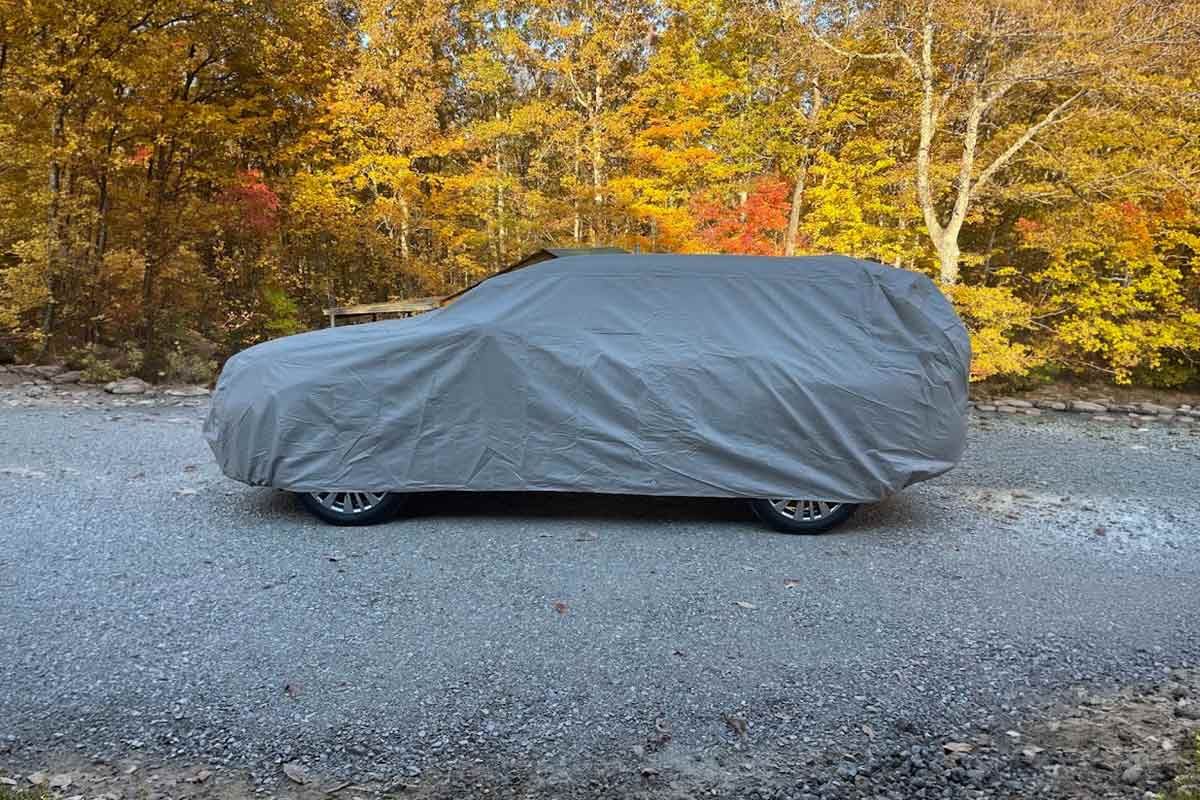
The better choice between a car cover and a car shade depends on the kind of protection your vehicle needs. For all-around outdoor protection, the car cover has the advantage because it covers the entire vehicle.
"A shade can be useful for blocking direct sunlight, but it does not provide the same coverage as a full car cover. For vehicles parked outdoors, covering the sides and other exposed areas is an important part of protecting the vehicle."
| Protection Factor | Car Cover | Car Shade |
|---|---|---|
| Sun and UV | All surfaces shielded | Top only, sides exposed |
| Heat | Helps reduce surface heat, while breathable fabric allows heat to escape | Helps cool the interior, but exposed panels still heat up |
| Rain and moisture | Waterproof covers keep water off | Little to no protection from side-driven rain |
| Dust and dirt | Covers the vehicle's surfaces | Exposed surfaces collect dust and dirt |
| Snow and harsh weather | Full-vehicle coverage | Mainly overhead protection |
| Installation and removal | Takes about a minute to fit | Nothing needs to be fitted over the vehicle |
| Cost and long-term value | One-time cover cost with broad protection | Costs vary from simple shades to larger permanent structures |
Sun and UV Protection
A UV-resistant car cover shields the paint and glass across the vehicle, helping slow fading and interior wear caused by prolonged sun exposure. A shade blocks direct sunlight from above, but angled morning and evening sunlight can still reach the sides.
So, does a car cover protect against UV rays? A car cover for UV protection can reduce exposure across more of the vehicle than an overhead shade. A car cover can help reduce fading, but it cannot guarantee that the paint will never fade.
Heat Protection
A car shade can be useful when the main concern is reducing direct sunlight entering the cabin. Blocking overhead sunlight can help keep the interior more comfortable on hot days.
A breathable car cover approaches heat protection differently. By keeping direct sunlight off the exterior, it can reduce sun-driven surface heating while allowing heat and moisture to escape through the fabric. Neither option makes the vehicle cold, but both can reduce some of the heat caused by direct sun.
Rain and Moisture Protection
This is one of the clearest differences between a car cover and a shade. A waterproof car cover creates a barrier between the vehicle and rain, helping keep the paint and glass dry.
A shade offers much less protection from moisture. Rain can still reach the vehicle from the sides, particularly during windy conditions. Water can also reach exposed windows and panels even when the roof is directly underneath the shade.
Protection From Dust and Dirt
A car cover shields a larger portion of the vehicle from dust, pollen, tree sap, and bird droppings. This can mean less frequent cleaning and less direct exposure to contaminants that sit on the paint.
A shade does not provide the same barrier. Although it can keep some debris from falling directly from above, the sides and other exposed areas remain open to outdoor conditions.
Protection From Snow and Harsh Weather
For snow and other severe weather, a full cover offers broader protection because it covers the entire vehicle. The cover can shield the roof, windows, sides, and lower panels from snow and windblown debris.
A shade mainly protects the top of the vehicle. Wind can carry rain, snow, dirt, and debris underneath it, leaving the sides and windows exposed.
Ease of Installation and Removal
This is where the shade has a clear advantage. Once a canopy or carport is installed, there is nothing to place over the vehicle every time it is parked.
A car cover requires a little more effort. It needs to be placed over the vehicle and secured properly, although a well-fitted cover can be installed and removed in about a minute. For someone who drives several times a day, that extra step may matter.
Cost and Long-Term Value
A quality car cover is generally a one-time purchase that addresses several types of exposure at once. Car shade options can range from simple umbrellas to larger canopy or carport structures, with costs varying significantly depending on the design.
The better comparison is not simply the purchase price. Consider how much protection each option provides for the money. A shade can work well for daily sun protection, but a cover fills the gaps left by overhead-only protection.
Car Cover vs. Car Shade: Which Offers Better Protection?
The right choice still depends on how the vehicle is parked. A shade can be the more convenient option for someone who parks in the same place every day and mainly wants to reduce direct sun. But for long-term outdoor parking or mixed weather, a cover provides much broader protection.
| Protection Need | Better Choice |
|---|---|
| All-around outdoor protection | Car cover |
| Rain, snow, and dust | Car cover |
| UV protection across every panel | Car cover |
| Quick daily shade only | Car shade |
| Keeping the cabin cooler quickly | Car shade |
When Should You Use a Car Cover?
An outdoor car cover makes the most sense when the vehicle is regularly exposed to several outdoor conditions rather than sunlight alone.
A cover is especially useful when:
- You park outside overnight or for long periods.
- Your vehicle needs protection from changing weather conditions and everyday outdoor debris.
- You care about the paint and want to slow sun-related fading.
- You store a vehicle that is rarely driven.
For outdoor parking, a properly fitted cover also avoids the need to choose between separate solutions for different weather conditions. One cover can provide a barrier against several sources of exposure at the same time.
When Is a Car Shade a Better Choice?
A car shade has a place when convenience and overhead sun protection are the main priorities. It can be a practical choice for drivers who frequently move their vehicles and prefer not to install and remove a cover each time.
A shade may be the better fit when:
- You move the car often and want virtually no setup each time.
- Your main concern is keeping the cabin cooler on hot, dry days.
- You have enough space for a canopy or carport and rarely deal with rain or snow.
While a shade makes daily parking easier, a car cover offers more extensive protection for the vehicle's exterior.
Real-World Example: Full Exterior Protection in Practice
The difference between a car cover and a shade becomes clearer when a vehicle is exposed to more than just direct sunlight. A shade can block overhead sun, but it cannot fully protect the sides and other exposed surfaces from outdoor elements.
A Seal Skin Covers customer, Anthony P., reported that his custom cover fit his 2016 Camaro perfectly and recommended it to anyone who wants to keep their valued car protected from dust and scratches while in storage. The example illustrates how a full car cover can protect more of the vehicle's exterior than an overhead shade, which leaves the sides and lower panels exposed.
A car shade can be convenient for blocking direct sunlight, but a full car cover offers more complete protection when the vehicle needs to be shielded from dust, debris, and exposure across the entire exterior.
Can You Use a Car Cover and Car Shade Together?
Using a car cover and shade together can make sense for some parking situations.
A shade can reduce direct sunlight reaching the covered vehicle and may help keep the area underneath cooler. The car cover then provides the more complete barrier against rain, dust, moisture, and sunlight reaching the vehicle's exterior.
This combination is optional, not necessary. If only one protection method is being chosen, the car cover is the part that provides broader protection. The shade can be viewed as an additional layer of overhead protection rather than a replacement for a full cover.
How to Select the Best Car Cover for Your Vehicle
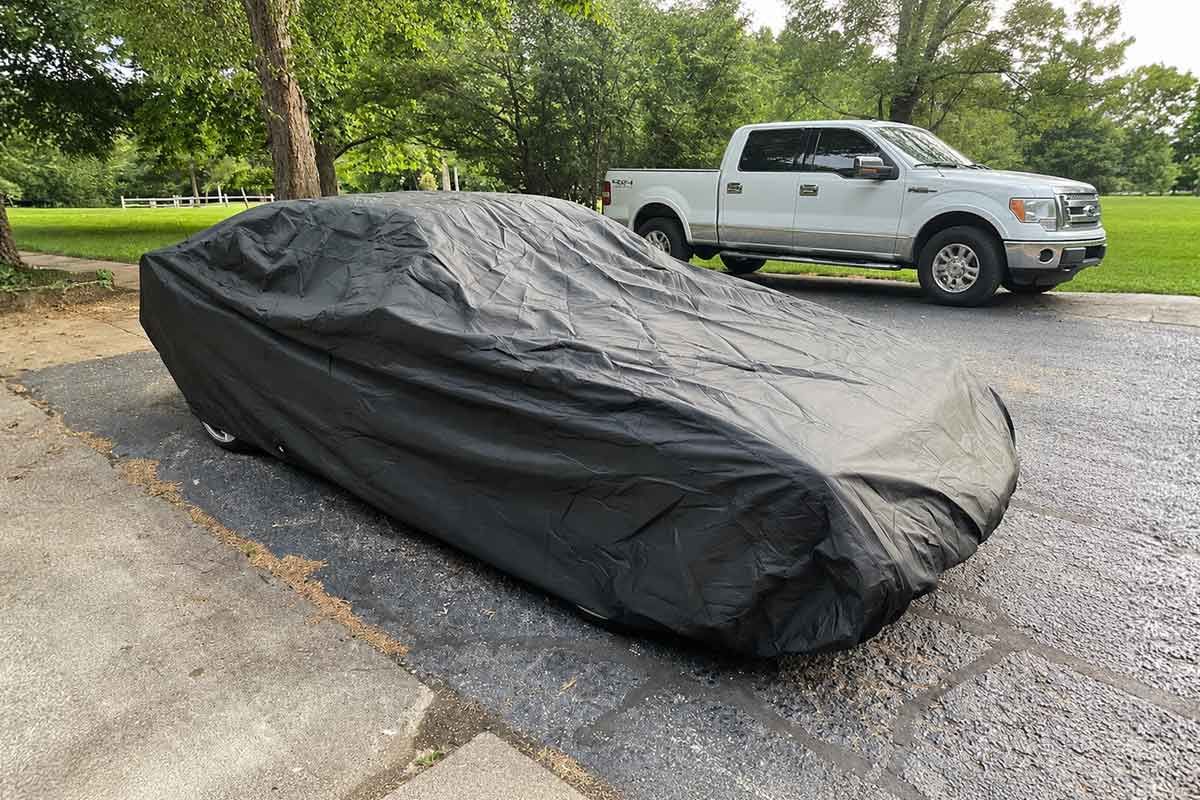
Selecting an outdoor car cover means considering more than the vehicle's dimensions. The material, fit, lining, and weather resistance all affect how well the cover performs.
Look for:
- Waterproof and breathable fabric: Water should stay out while trapped moisture can escape.
- UV resistance: A UV-resistant car cover should help shield the paint from prolonged sun exposure across the vehicle.
- Soft inner lining: A paint-friendly lining helps reduce the risk of scuffs and surface damage.
- Snug, size-matched fit: A properly fitted cover with a secure hem is less likely to flap excessively in windy conditions.
- Clear warranty coverage: A strong warranty provides additional confidence if the cover needs to be replaced.
Seal Skin Covers offers models that match these requirements. It offers outdoor covers with waterproof, breathable, and UV-resistant construction, soft fleece interiors, snug fits, reinforced grommets, and storm-proof straps to help protect vehicles from different outdoor conditions. Its Supreme cover uses SEAL-TEC technology and carries a lifetime warranty, while the Elite line carries a 10-year warranty.
Seal Skin Covers: Getting the Most From Your Car Cover
A few simple habits can make an outdoor vehicle cover more effective and easier to use:
Measure before ordering
Check the vehicle's length and choose the size that matches the car rather than relying only on the model name.
Cover before peak heat
For sun protection, put the cover on before the hottest part of the day rather than after the paint has already heated up.
Choose breathable fabric
For outdoor parking, breathability helps moisture escape rather than remaining trapped underneath the cover.
Keep the cover clean
Dirt and debris on the cover can eventually transfer back onto the vehicle. Follow the manufacturer's care instructions to maintain the cover's condition and keep it ready for regular use.
Protect Your Car From More Than Just Sunlight
When the goal is simply to create shade, a car shade can do the job quickly and conveniently. However, when the goal is to protect the vehicle from the combination of sun, rain, dust, snow, and everyday outdoor exposure, a full car cover is the more complete solution.
Protect your car from sun and weather, not just shade it. Find your Seal Skin car cover
Our products are not just reasonably priced, but we will also ship your order right to your doorstep at no additional cost, without any delay. We offer:
- A 10-year warranty
- A 30-day money-back guarantee
- Coverage for manufacturing defects
Protect your car from sun and weather, not just shade it.
You can call us at 800-915-0038 during our office hours (Monday to Friday from 9:00 AM to 5:00 PM EST), and we will help you find the right car cover that fits your needs and budget. We will also help you if you have any questions about our products, shipping policies, and exchange/refund policies.
Frequently Asked Questions
Is a car cover or shade better for outdoor parking?
For total protection, yes. A car cover shields every surface from sun, rain, snow, and dust, while a car shade mainly blocks overhead sunlight and leaves the sides exposed. A shade is more convenient when quick, daily sun protection is the only priority.
Does a car cover protect against sun damage?
A UV-resistant car cover shields the paint and glass from direct sun exposure across the vehicle, which can help slow fading and interior wear. It protects more of the vehicle than an overhead shade.
Does a car shade protect against UV rays?
Partly. An overhead shade blocks direct sunlight from above, reducing UV exposure on areas such as the roof and hood.
The sides, lower panels, and windows can still receive angled and reflected sunlight, which a full car cover can block.
What is the best car cover for sun protection?
A UV-resistant car cover is a good choice for protecting a vehicle from prolonged sunlight. Look for a cover that provides UV protection, has a breathable construction, and fits the vehicle properly.
A full cover can help reduce sun exposure across the paint, roof, hood, windows, and other exterior surfaces.
Can a car cover prevent car paint from fading?
A UV-resistant car cover cannot guarantee that paint will never fade, but it can help slow the process. Keeping direct sunlight off the paint reduces the amount of UV exposure the exterior receives over time.
What provides the best protection for a car parked outdoors?
A waterproof, breathable, UV-resistant outdoor car cover provides the most complete protection because it addresses sun, rain, snow, and dust together. A shade can help with overhead sun, but a full cover is the stronger choice for long-term outdoor parking.
Should I use a car cover every day?
Yes, a car cover can be used every day when the vehicle is parked outdoors. Daily use provides consistent protection from sun, rain, and dust. A size-matched cover that can be installed in about a minute makes regular use more practical.
Can I use a car cover in hot weather?
A breathable car cover can be used in hot weather because its construction allows heat and moisture to escape rather than trapping them underneath.
It also blocks direct sunlight from reaching the paint, helping reduce sun exposure during hot conditions.